







Oguche Agudah has emphasized the growing global consensus that achieving sustainable development goals will require deeper collaboration between governments, development institutions, and private capital across both the Global North and Global South.
In a recent commentary reflecting on a high-level international gathering, Agudah noted that traditional aid and grant-based models are increasingly insufficient to address the scale of global development challenges, particularly in emerging economies.
He highlighted that the responsibility for development outcomes should not rest solely on Western nations or public sector institutions, but must involve coordinated efforts across multiple stakeholders, including domestic investors, development finance institutions, and private capital providers.
The discussion took place during a global partnership conference jointly organized by the Foreign, Commonwealth and Development Office (FCDO) and the Government of South Africa, co-host of the upcoming G20 Summit.
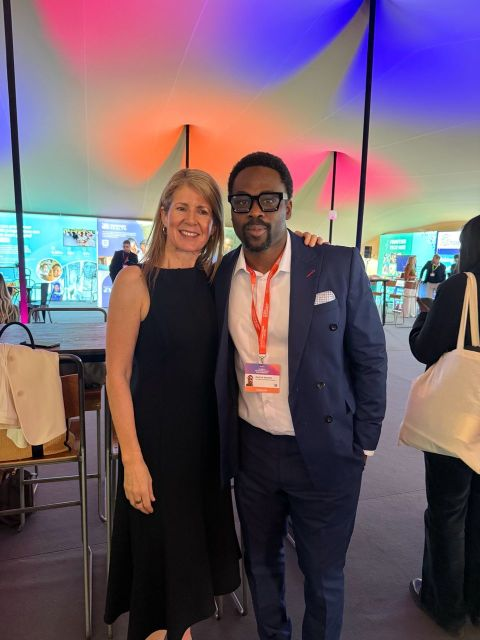
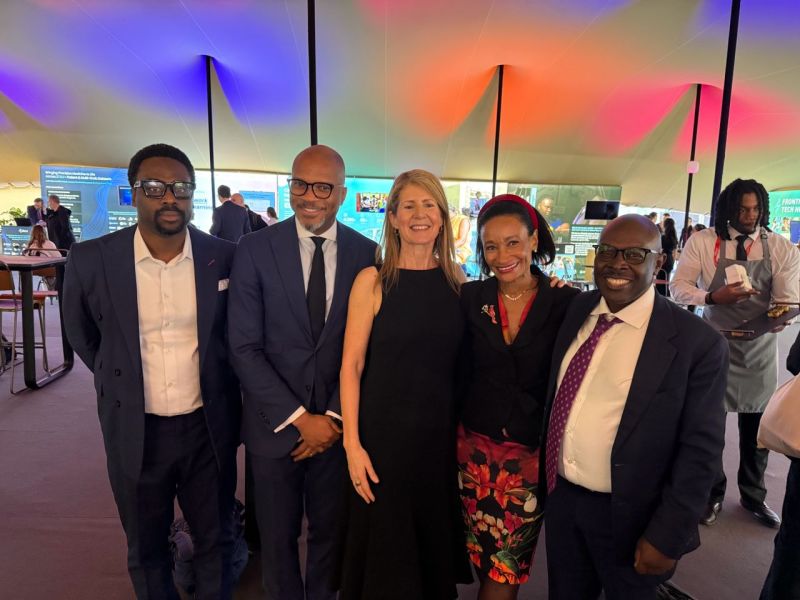
The conference was supported by the Children’s Investment Fund Foundation (CIFF) and British International Investment (BII), and featured discussions on global health, artificial intelligence, taxation, education, philanthropy, and the future of development financing.
Agudah noted that ministers and policymakers from several countries participated in the sessions, including Nigeria’s Minister of Finance, Taiwo Oyedele, alongside international development leaders.
A central theme of the conference was the need to mobilize domestic institutional capital to support development financing, particularly in Africa, where funding gaps remain significant.
He also referenced remarks by the UK’s Minister for International Development and Africa, Baroness Jennifer Chapman, who stressed that global challenges require coordinated action rather than isolationist approaches, and that countries must collaborate, learn from one another, and hold each other accountable.
Agudah further highlighted the role of FSD Africa in helping to build systems that mobilize domestic capital across African markets.
He concluded that there is increasing urgency among global partners to strengthen alliances, improve access to funding, and develop new financial structures capable of scaling long-term development impact.