


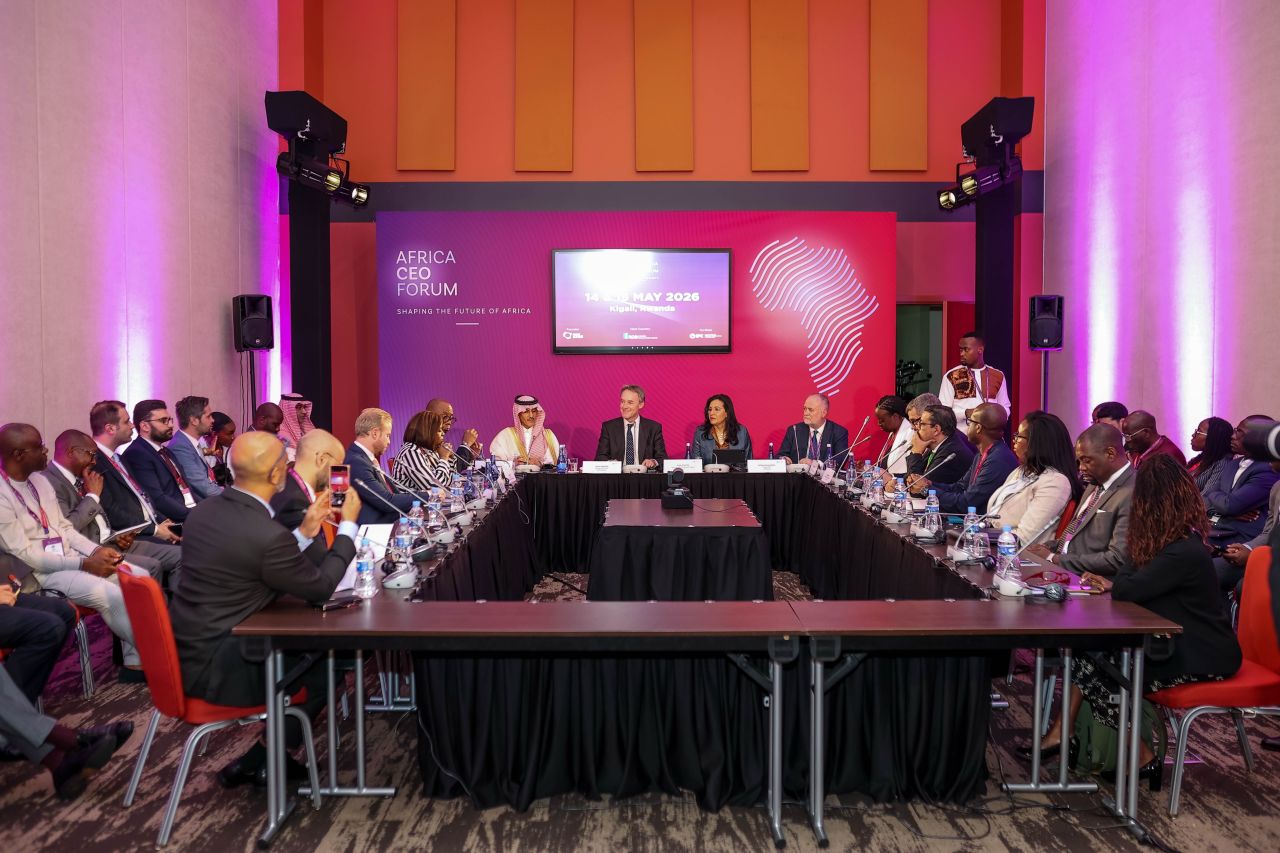






Dahlia Khalifa, Director for Central Africa and Nigeria at the International Finance Corporation (IFC), has called for stronger efforts to address investment risks, currency challenges, and financing gaps for small businesses as Africa attracts a new wave of Gulf investment capital.
Speaking after participating in the Africa CEO Forum 2026, Khalifa described discussions around South-South investment flows from Gulf Cooperation Council (GCC) countries into Africa as one of the forum’s most significant engagements.
According to her, the current generation of foreign direct investment entering Africa differs from previous investment waves by focusing more on equity participation and long-term value creation rather than debt-heavy infrastructure financing or extractive projects with limited local economic impact.
Khalifa noted that Gulf investments are increasingly targeting strategic sectors across Africa, citing 2023 greenfield investment pledges that exceeded $53 billion. Among the major examples highlighted was DP World’s $3 billion port network expansion stretching from Senegal to Somalia.
She explained that equity-based capital structures provide greater resilience and higher risk tolerance compared to traditional debt-financed models, making them potentially more sustainable for African markets.
Despite growing investor interest, Khalifa emphasized that Africa continues to face a significant “risk perception gap,” arguing that international investors often overestimate investment risks on the continent.
She stated that institutions such as the IFC and the World Bank Group play a critical role in entering markets early, helping structure bankable projects, improving business environments, and mobilizing capital to reduce investment risks for both local and international stakeholders.
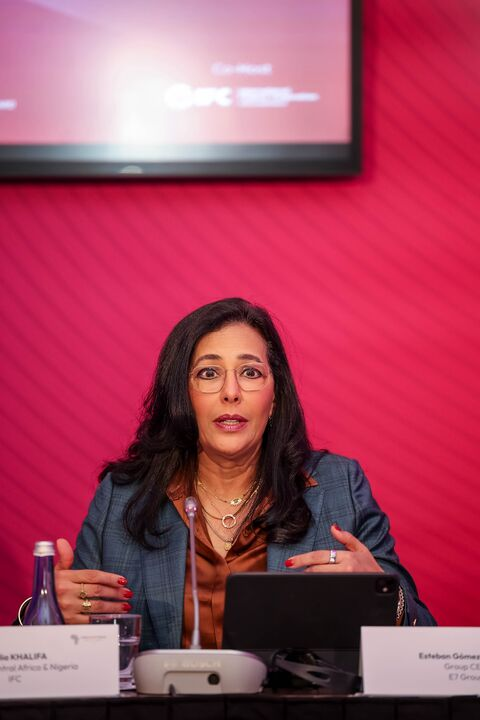
Khalifa also identified currency volatility as a major challenge, particularly in situations where investors expect returns in hard currencies while projects generate revenues in local currencies. She highlighted the IFC’s increasing focus on developing local currency financing solutions across African markets.
Addressing the continent’s small business financing challenges, she pointed to an estimated $330 billion financing gap facing Africa’s micro, small, and medium-sized enterprises (MSMEs), warning that large-scale investments that bypass local supply chains would fail to deliver broad-based economic impact.
According to Khalifa, investment strategies must prioritize domestic and regional value-chain development to ensure that economic value is created and retained within African economies.
“The measure for us is clear-cut: more people employed in good, sustainable jobs,” she stated, stressing that job creation should remain the primary benchmark for evaluating the impact of foreign direct investment on the continent.
She also commended Jeune Afrique and the Rwanda Development Board for convening the discussions, alongside fellow panelists and industry stakeholders.