


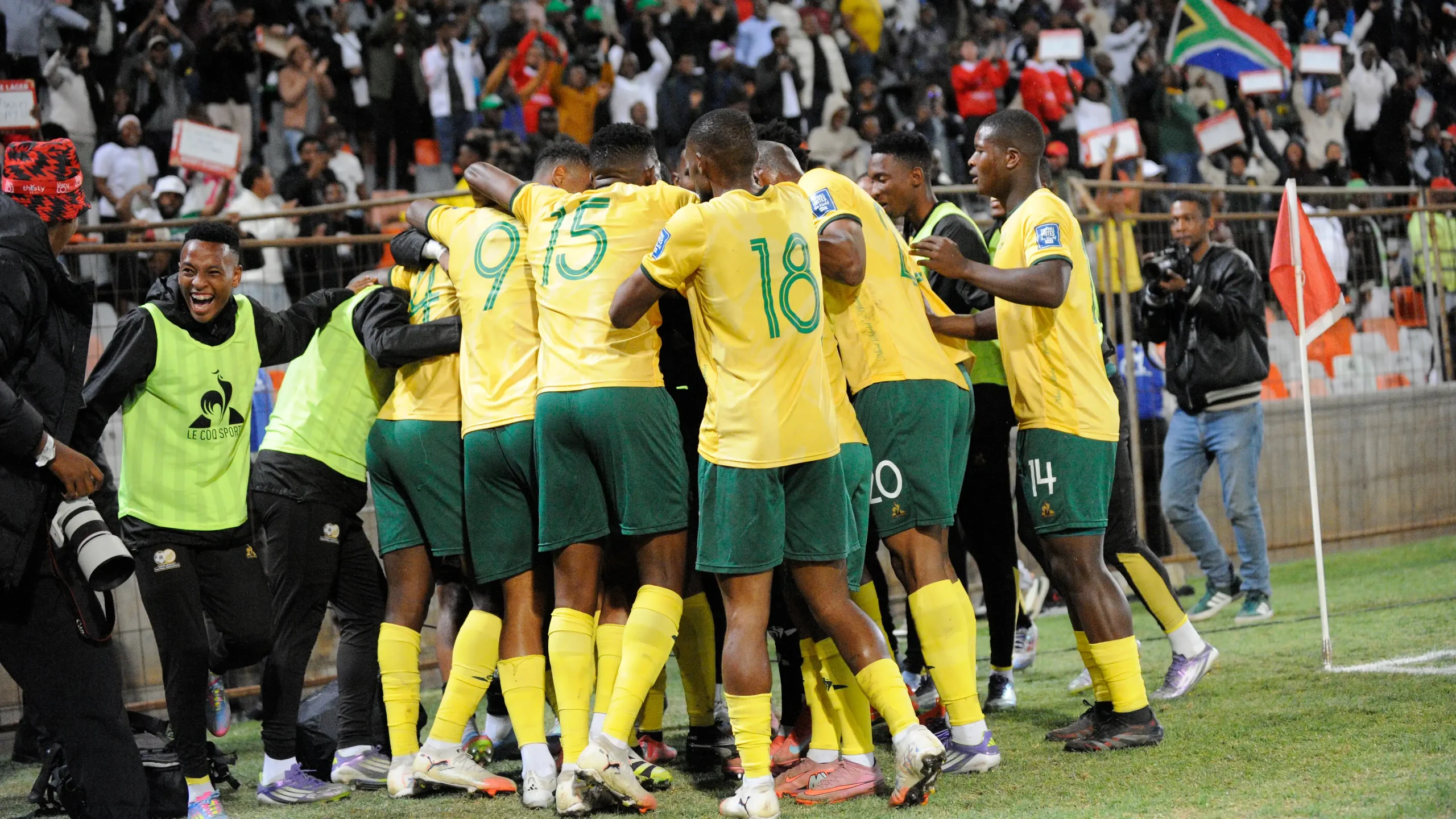
Football has always been more than a game in Africa. It is a source of pride, identity, and collective hope. Whenever an African nation steps onto the global stage, millions of people across the continent often rally behind that team, regardless of nationality, language, or geography.
That is why comments attributed to South African goalkeeper Ronwen Williams following South Africa’s opening defeat to Mexico at the 2026 FIFA World Cup have sparked conversations about solidarity, belonging, and what it truly means to support one another as Africans.
According to the remarks shared online, Williams expressed disappointment that many Africans appeared to support Mexico rather than South Africa during the match. His reaction reflected more than the frustration of losing a football game; it touched on a deeper desire for continental unity and mutual support.
For many Africans, international sporting events have historically provided rare moments when national boundaries fade and a broader African identity takes center stage. When countries such as Cameroon, Ghana, Senegal, Morocco, or Nigeria compete on the world stage, supporters from across the continent often celebrate their victories as African victories.
The remarkable run of Morocco at the 2022 FIFA World Cup remains one of the strongest examples of this spirit. Millions of Africans embraced the team as representatives of the continent, celebrating their success as a shared achievement that transcended borders.
Yet the reaction to South Africa’s defeat highlights another reality: African unity is often more complicated than many would like to admit.
Historical tensions, political disagreements, economic competition, and social perceptions sometimes shape how people view other African nations. In South Africa’s case, issues surrounding xenophobia and the treatment of African migrants over the years have occasionally strained relationships with citizens of other countries. For some observers, these experiences influence how they respond when South Africa seeks continental support.
This does not necessarily mean Africans do not want to see South Africa succeed. Rather, it reveals how actions and experiences can affect perceptions long after headlines fade.
Beyond football, the conversation raises important questions about solidarity in Africa. Can the continent genuinely speak with one voice during moments of triumph and disappointment? Can historical grievances be set aside in pursuit of a shared future? And what role do ordinary citizens play in building stronger connections across borders?
Sports often expose emotions that extend far beyond the field. A football match may last 90 minutes, but the feelings it generates can reflect decades of history, identity, and social experience.
For many young Africans watching the World Cup, the debate is not simply about who supported which team. It is about whether the dream of African unity remains achievable in an era when nations are increasingly connected economically, culturally, and digitally.
Regardless of which side fans supported, Williams’ comments have reopened an important discussion: unity cannot be demanded only in moments of need. It is built through mutual respect, shared experiences, and a consistent commitment to standing with one another, both in victory and defeat.
In that sense, the real lesson from South Africa’s World Cup disappointment may have little to do with football and everything to do with the ongoing challenge of building a stronger, more united Africa.