


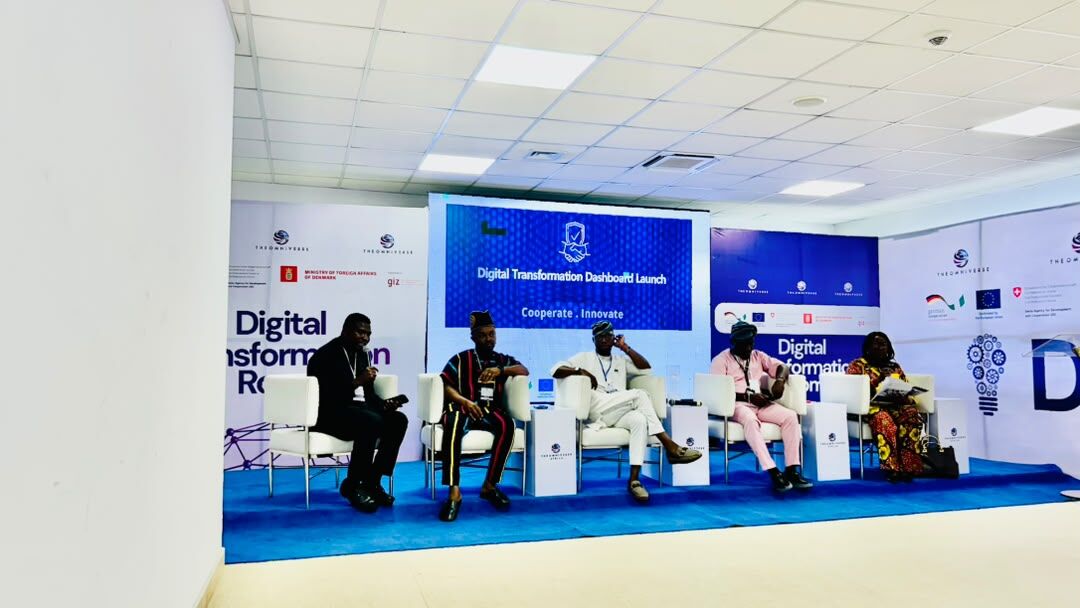
Innovation ecosystem stakeholders have called for a strategic shift in the way innovation hubs across Africa are structured and funded, stressing the need to move beyond project-based operations towards building sustainable institutions capable of driving long-term economic growth.
The call was amplified by Hanson Johnson, Founder and Chief Executive Officer of Start Innovation Hub, following discussions at the Omniverse Africa Summit 3.0, where industry leaders examined the theme, “Building Sustainable Innovation Hubs: From Survival to Scale.”
Johnson, while reflecting on insights shared by ecosystem advocate Emmanuel Oladele, noted that many innovation hubs continue to struggle with sustainability because they remain heavily dependent on founders, grants, and short-term projects.
According to him, one of the biggest challenges facing the ecosystem is what he described as the “Founder Trap,” where an organization’s operations are overly reliant on a single individual.
He argued that innovation hubs must invest in workflow automation, cloud-based repositories, and proper documentation systems to preserve institutional knowledge and ensure continuity regardless of staff turnover or the founder’s physical presence.
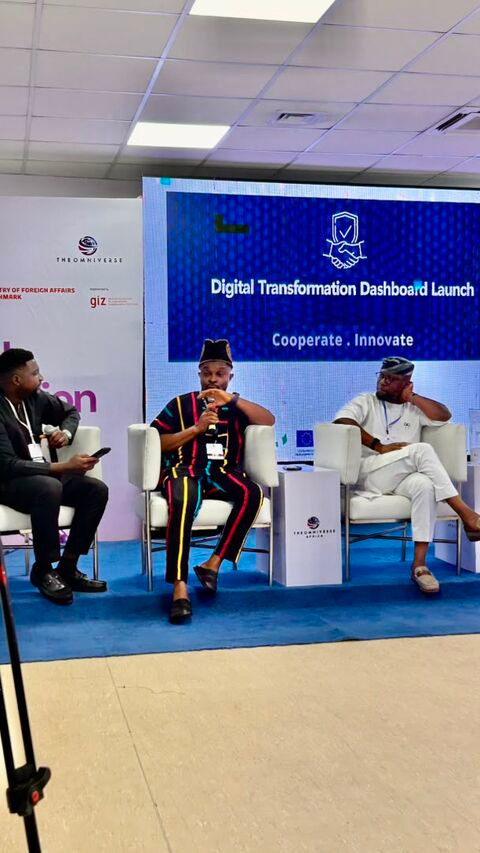
“True ecosystem engineering cannot be founder-dependent. If operations stop because a founder is unavailable, then it is not a sustainable institution,” Johnson stated.
He also urged innovation hubs to pursue deeper specialization rather than attempting to serve every segment of the market.
While software development and general digital skills training continue to dominate the innovation landscape, Johnson identified sectors such as Hardware Development, Internet of Things (IoT), and Precision Agriculture as largely underserved opportunities capable of creating significant value.
“Specialization transforms a hub from a mere co-working space into a strategic partner capable of delivering real-world solutions for corporations, governments, and development agencies,” he noted.
On financial sustainability, Johnson emphasized the importance of reducing dependence on grants by developing diversified revenue streams. He observed that traditional co-working and desk rental models often struggle to cover operational costs, particularly in environments with high expenses for electricity, internet connectivity, and facility maintenance.
Instead, he advocated for business models built around corporate innovation consulting, talent development pipelines, venture building, and strategic partnerships.
He further stressed that strong governance structures, audited accounts, and transparent financial practices are increasingly becoming prerequisites for attracting enterprise clients and international investors.
“Compliance should not be viewed as a bureaucratic burden but as a market access tool,” he said, adding that institutional readiness remains critical to attracting long-term capital.
Looking toward 2030, Johnson described innovation hubs as critical infrastructure that connects national development policies with grassroots execution.
He called on governments, development agencies, and funding partners to rethink their approach to ecosystem support by investing directly in the institutional capacity of innovation hubs rather than focusing solely on activity-based projects.
“Policy without hubs is simply ink on paper. If we want stronger innovation ecosystems, we must fund the factories that produce innovators, not just the projects they create,” he said.
Industry stakeholders believe that strengthening innovation hubs through institutional capacity building, governance reforms, and sustainable business models could play a vital role in accelerating entrepreneurship, job creation, and technological advancement across Africa.