


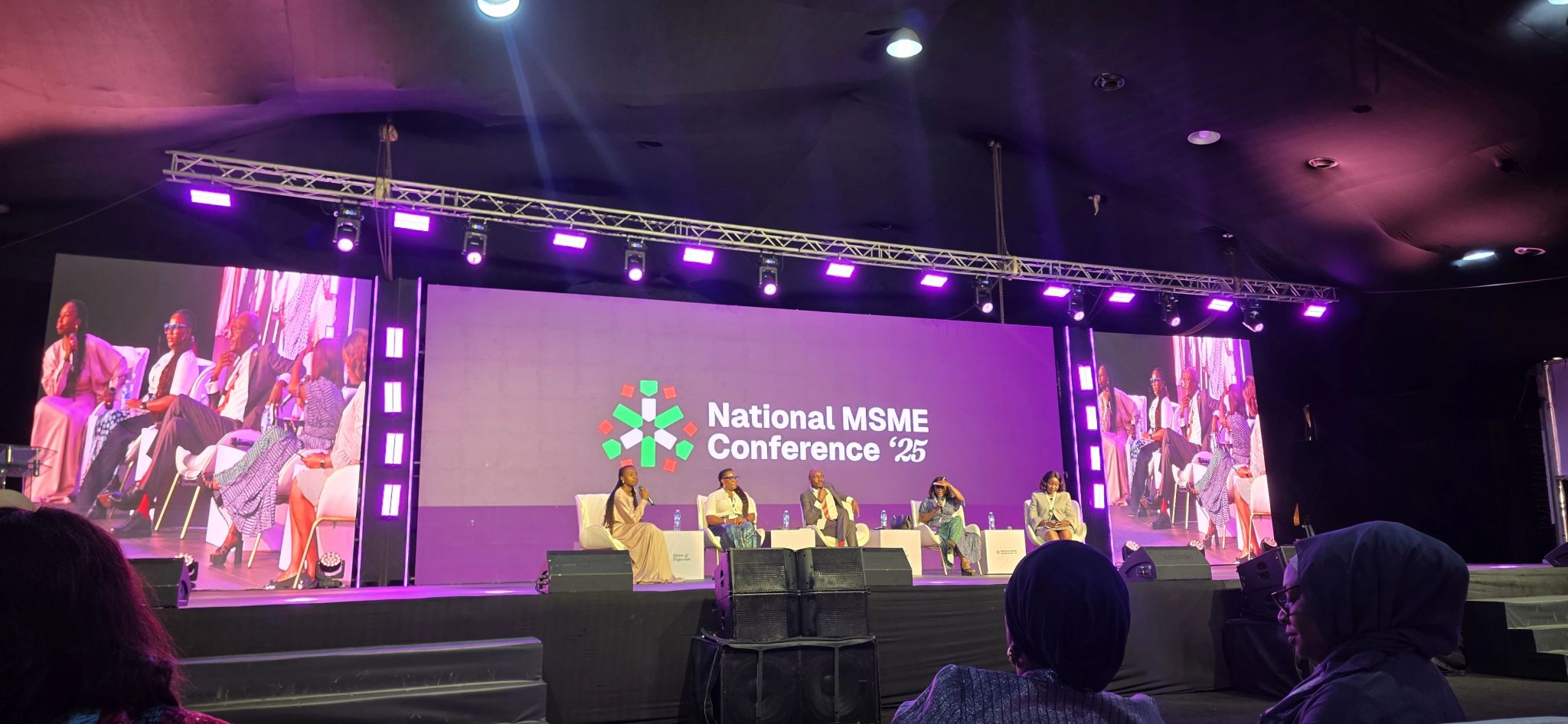




Discussions at the National MSME Conference 2025, hosted by SMEDAN, moved beyond paperwork and technical policy language to focus on the everyday struggles of Nigeria’s small business owners. The conference became a platform for real conversations about what must change if micro, small and medium enterprises are to survive, grow and contribute meaningfully to the economy.
One of the key voices at the event was Yetunde Akande, a fashion entrepreneur and advocate for women and youth empowerment, who spoke on the panel discussing the National MSME Policy. Drawing from her experience working closely with startups and building entrepreneurial communities, she highlighted the persistent struggle many business owners face when trying to access funding.
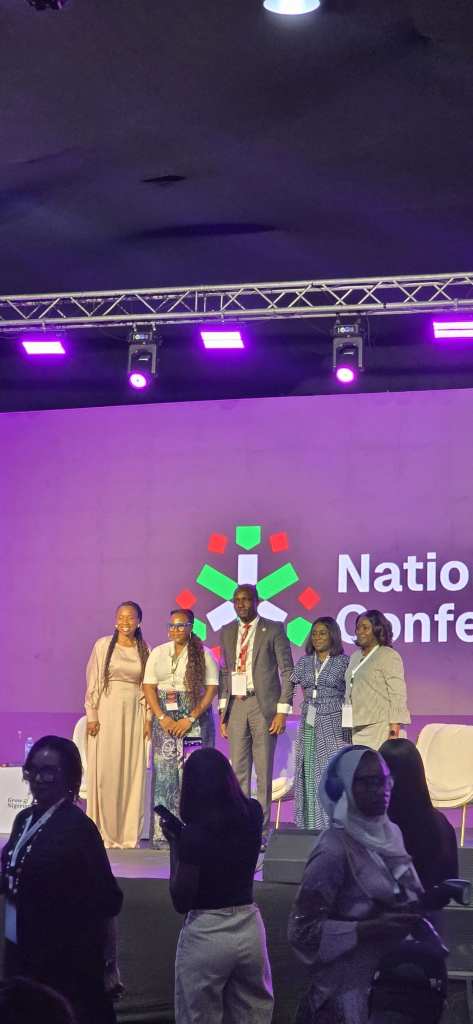
Akande explained that finance remains a major barrier for MSMEs, regardless of how innovative or necessary a business idea may be. According to her, many entrepreneurs are locked out of funding due to lending models that do not reflect their realities, high interest rates, and rigid requirements that make it almost impossible for small businesses to qualify for loans. She stressed that when capital is unavailable or unsuitable, even the most promising businesses find it difficult to scale or remain sustainable.
The conversation also explored how a truly inclusive MSME ecosystem must be built around women, youth and underserved entrepreneurs. Participants agreed that access to finance must go hand-in-hand with access to markets, digital tools and supportive government policies. Without these, MSMEs face an uphill battle in competing within the evolving business environment.
Akande further emphasised that financial policies should not be created in isolation by policymakers alone. Instead, she called for closer collaboration with entrepreneurs who understand daily business challenges first-hand. Only by listening to business owners, she noted, can financial interventions be both practical and effective.
As the National MSME Policy continues to evolve, speakers at the conference stressed the need for solutions that are flexible and adaptable to real-world business challenges. There was a shared view that empowering MSMEs goes beyond economic strategy and speaks directly to national development.
In her closing remarks, Akande reminded attendees that building a strong MSME sector is fundamental to Nigeria’s future. She described MSME empowerment not merely as economic planning, but as an investment in nation building itself.