







The Federal Government of Nigeria has intensified efforts to position the country within the fast-growing global halal economy, estimated to be worth over $7 trillion, with the launch of a new compliance-focused initiative.

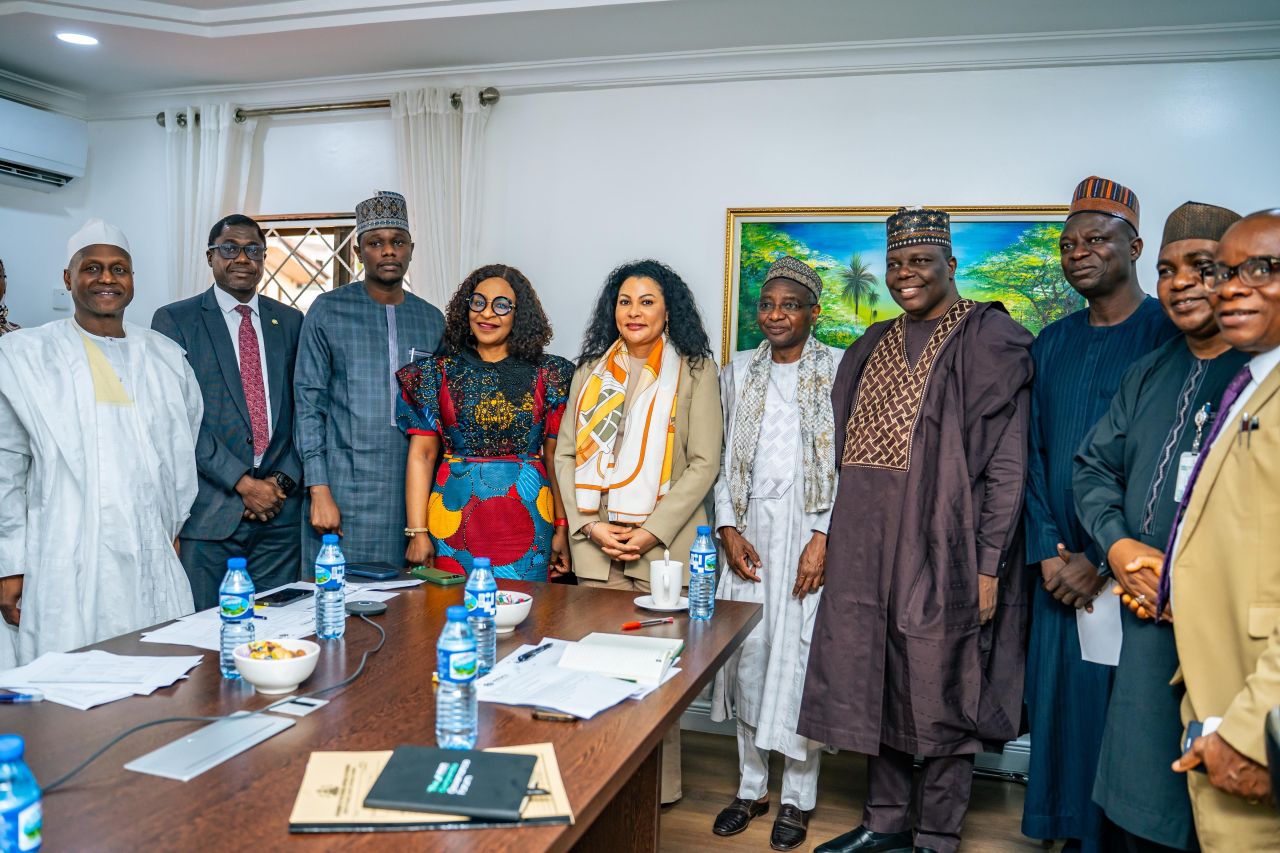
The Honourable Minister of State for Budget and Economic Planning, Doris Uzoka-Anite, announced that she chaired the inaugural meeting of the Halal Compliance Enablement Workstream under the National Halal Economy Strategy Implementation Committee.
The halal economy spans multiple sectors including food production, pharmaceuticals, cosmetics, logistics, tourism, and Islamic finance. Government officials say Nigeria is well positioned to tap into this global value chain, but must first strengthen its regulatory and certification systems to meet international expectations.
According to the minister, the new workstream will focus on building a credible national halal compliance structure through several key interventions. These include the establishment of a National Halal Authority framework, alignment with global standards such as OIC/SMIIC, Malaysia, and Gulf Cooperation Council (GCC) requirements, and the negotiation of mutual recognition agreements with international certification bodies.
Other priorities include the development of a national digital halal certification and traceability platform, capacity building for halal auditors and inspectors, and the strengthening of certification, accreditation, and enforcement mechanisms.
The initiative is expected to improve the global acceptance of Nigerian products, boost export competitiveness, and attract investment into the country’s halal value chain. It also aligns with broader government priorities under Nigeria’s economic diversification and industrialisation agenda.
Officials say the programme reflects efforts under the Federal Government’s economic reform strategy to build a more inclusive and globally competitive non-oil economy.