







Abba Aliyu, Managing Director and Chief Executive Officer of the Rural Electrification Agency, has called for a shift toward more intelligent, digitally integrated energy systems as countries work to scale access and sustainability.
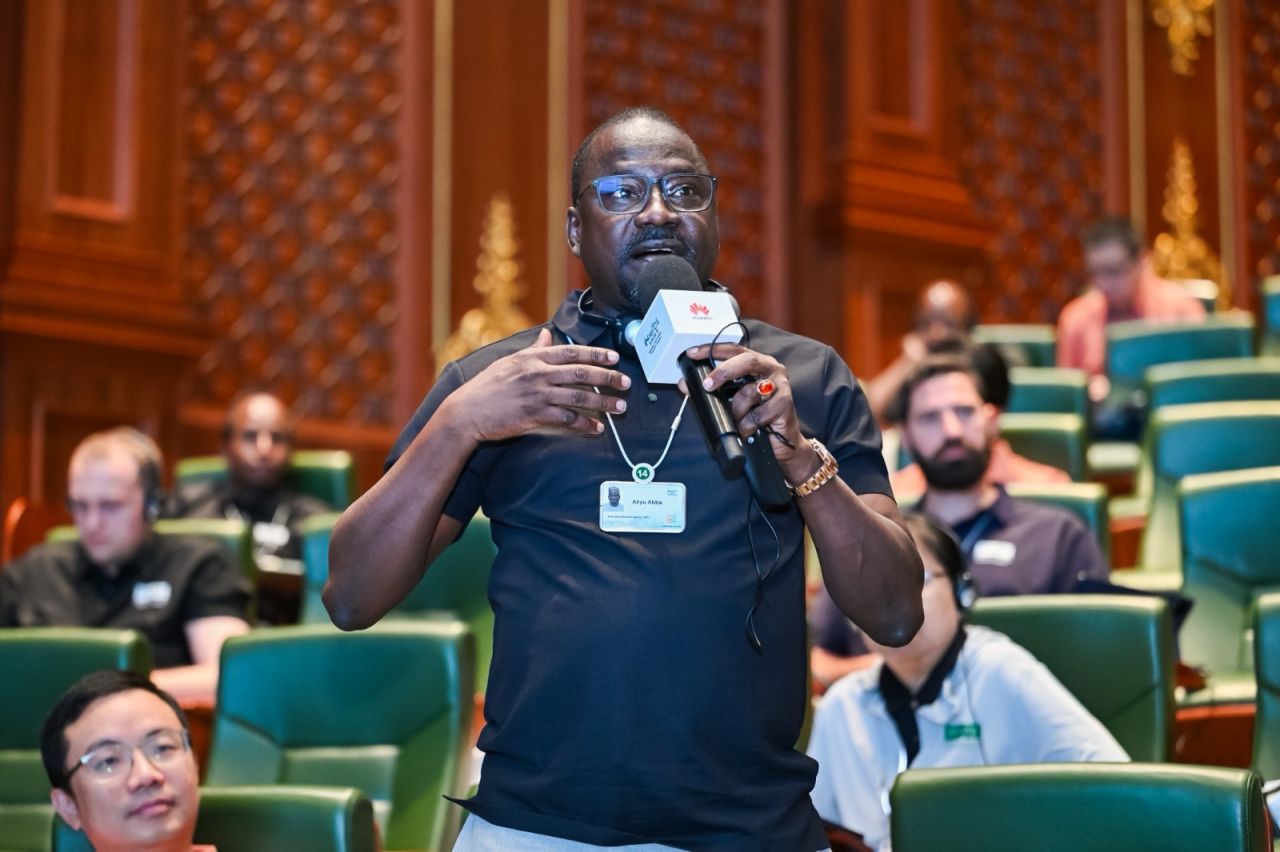
Aliyu made the remarks during the 8th Songshan Lake Executive Program held in Dongguan and hosted by Huawei Digital Power. The programme convened global energy leaders to explore how innovation, digitalisation, and organisational transformation are shaping the future of the energy sector.
Speaking after participating in Day 2 sessions, Aliyu stressed that modern energy expansion must go beyond traditional infrastructure development. He noted that the future of the sector lies in how effectively systems are designed, managed, and integrated using advanced technologies.
The sessions focused heavily on the application of artificial intelligence and digital tools in strengthening energy systems. Key areas of discussion included improving renewable energy integration into national grids, boosting the efficiency of solar deployments, and enhancing infrastructure such as electric vehicle charging networks through high-performance supercharging technologies.
Participants also engaged in practical demonstrations during an exhibition tour, where cutting-edge solutions—including smart mini-grids, advanced inverters, and digital energy platforms—were showcased as tools for achieving global carbon neutrality goals.
Aliyu described the Executive Program as a unique platform that prioritises real-world collaboration and high-level dialogue among industry leaders. Unlike traditional academic settings, he said, the programme provides an intensive learning environment that blends leadership development with hands-on exposure to emerging technologies and strategies.
In recognition of his participation and contributions, Aliyu received a certificate as an outstanding participant, underscoring the programme’s emphasis on excellence and shared learning.
He further highlighted the relevance of such global engagements to Nigeria’s energy ambitions. According to him, while expanding electricity access remains a national priority, equal attention must be given to building smarter, more efficient, and future-ready systems that can adapt to evolving technological and environmental demands.
Aliyu concluded that continuous learning, international collaboration, and the adoption of innovative solutions will be critical as Nigeria works to strengthen its energy infrastructure and accelerate sustainable development.