

ABUJA, NIGERIA — In a major step for the continent’s aerospace and telecommunications ambitions, member states of the Economic Community of West African States (ECOWAS) have unanimously adopted Nigeria’s proposal to protect and extend the regulatory status of its NIGCOMSAT-2D satellite network. The decision was reached during the ECOWAS Preparatory Meeting for the World Radiocommunication Conference 2027 (WRC-27), where regional leaders gathered to form a unified front on global telecommunications policy.
The approved proposal specifically supports the sustenance of the regulatory extension for the NIGCOMSAT-2D satellite network, which operates at the crucial 9.5°W orbital slot. By securing unanimous backing from the delegation, the proposal has now been elevated to an official ECOWAS Common Position. This unified regional stance will be submitted directly to the African Telecommunication Union (ATU) to ensure Africa speaks with a single, powerful voice during upcoming global negotiations.
Securing a Strategic Asset for Continental Growth
Satellites like NIGCOMSAT-2D are increasingly viewed by regional leaders as critical national security and economic infrastructure rather than just orbital hardware. These space assets serve as the technological backbone driving widespread broadband connectivity, digital inclusion in rural areas, and regional broadcasting services. Furthermore, they play an indispensable role in strengthening national security communications, expanding distance education, and unlocking new avenues for economic growth across West Africa. Because of this far-reaching impact, NIGCOMSAT management hailed the unanimous support as a monumental victory, describing the agreement as a decisive win for Africa’s overarching digital sovereignty.
Regional Leadership and the Road to WRC-27
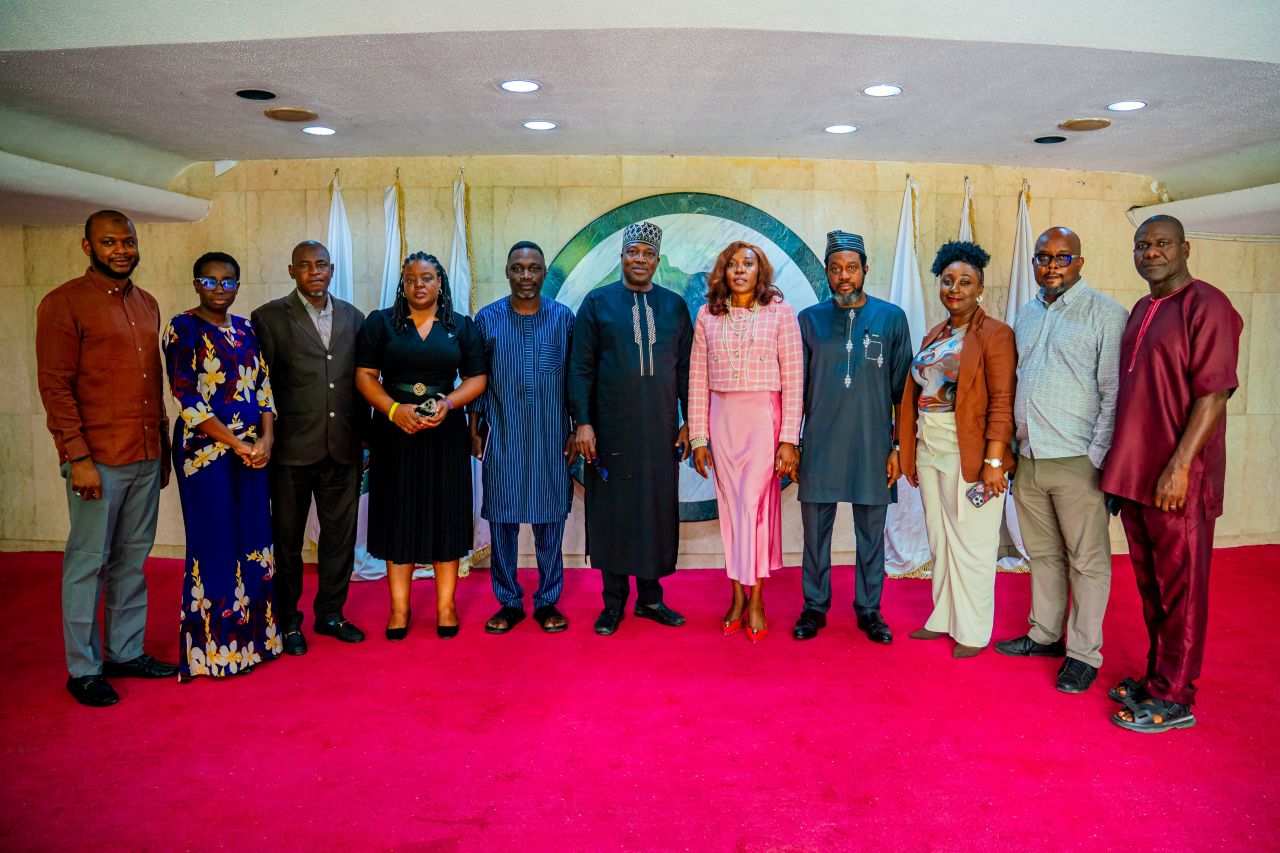
The Managing Director and Chief Executive Officer of NIGCOMSAT expressed deep appreciation to the member states, noting that the decision reflects a shared commitment to protecting Africa’s strategic space assets and amplifying the continent’s voice in global regulatory frameworks. This high-stakes regulatory meeting was successfully guided by a diverse panel of West African telecom leaders, including Chairman Pape Cire Cisse of Senegal, Vice Chair Engineer Atiku Lawal of Nigeria, and Rapporteurs Kwame Baafour of Ghana and Boni Arthur of Côte d’Ivoire.
The adoption marks a crucial milestone on the long road to WRC-27. By aligning their regulatory strategies early, West African nations have demonstrated that a collaborative approach is the most effective way to secure the continent’s digital future, protect its technological investments, and maintain its independence in the global space ecosystem.