






Nigeria is entering a new phase in its broadcasting evolution as preparations intensify for the June 17 Digital Switch Over (DSO) launch.
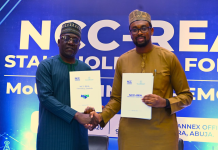
The National Broadcasting Commission (NBC) and Nigerian Communications Satellite Limited (NIGCOMSAT), alongside key industry stakeholders, have strengthened collaboration to ensure a smooth and coordinated transition from analogue to digital television broadcasting across the country.
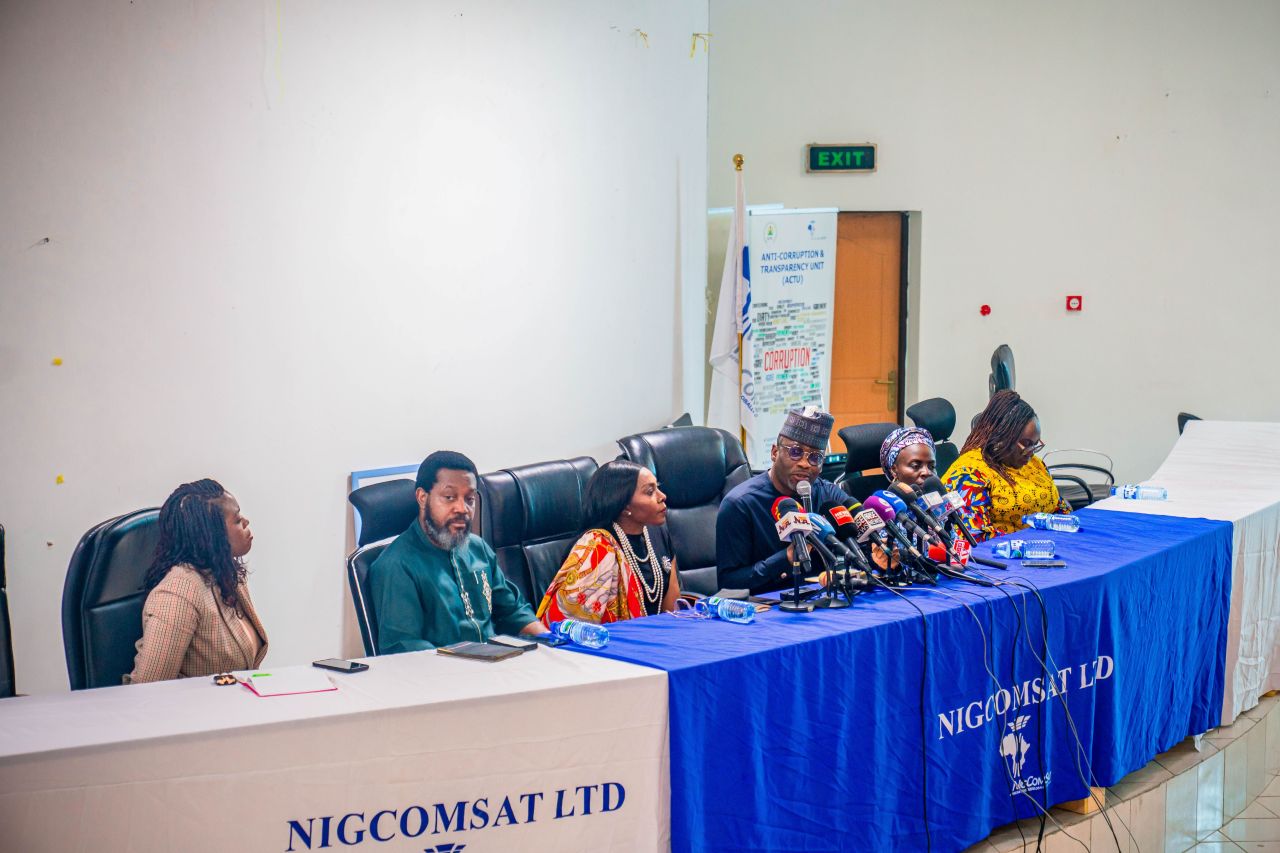
A joint press briefing held in Abuja highlighted the objectives of the initiative, which include keeping the public informed, raising awareness on the benefits of digital broadcasting, addressing stakeholder concerns, and outlining the next phase of Nigeria’s digital media transformation.
Officials used the session to respond to several public concerns surrounding the transition. On the operational lifespan of NigComSat-1R, authorities confirmed that the satellite—launched in 2011—remains functional and is expected to continue operations through 2028, supported by life-extension measures and inclined-orbit management techniques.
Concerns about consumer costs were also addressed, with clarification that millions of existing DVB-S2 decoders already in Nigerian households are compatible with FreeTV services and do not require replacement or modification.
On coverage reliability, stakeholders assured that the system has been engineered to deliver nationwide reach, including coastal and rain-prone regions, ensuring stable reception across the country.
Questions regarding potential delays in the planned NIGCOMSAT-2A and NIGCOMSAT-2B satellites were also raised. In response, NIGCOMSAT stated that contingency arrangements with commercial satellite partners have been secured to guarantee uninterrupted access to FreeTV services, regardless of project timelines.
Beyond the technical assurances, the agencies emphasized a broader national vision: the development of a sovereign Nigerian broadcasting ecosystem powered by space and digital technology.
According to stakeholders, the DSO initiative is expected to significantly improve signal clarity, expand access to digital content, enhance service delivery, and open new opportunities for innovation and growth within Nigeria’s media and communications sector.
The rollout marks a key milestone in Nigeria’s transition toward a fully digital broadcasting environment.