


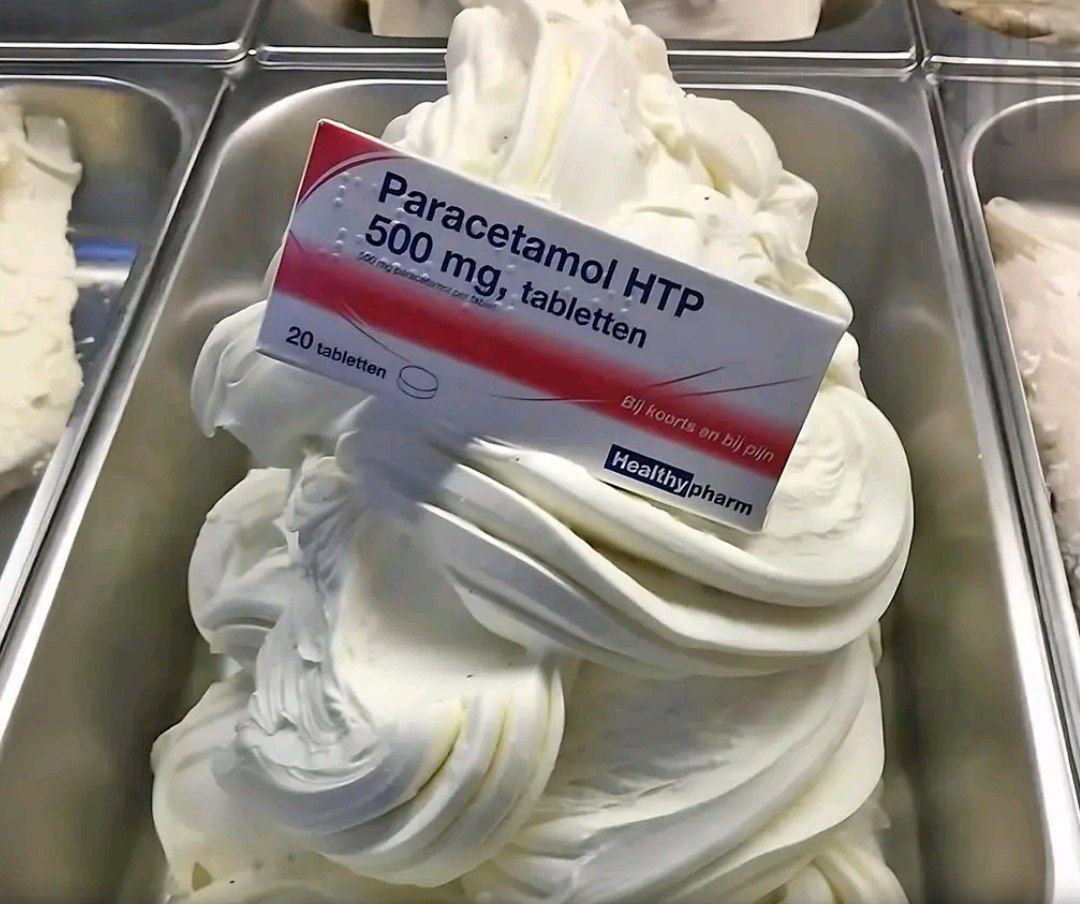






The idea sounds almost futuristic: eating an ice cream that contains paracetamol to cure headaches. Yet in parts of the Netherlands, this unusual blend of dessert and medicine has sparked conversations about innovation, convenience, and the changing face of healthcare consumption.
At first glance, it may seem bizarre. Ice cream has always been associated with pleasure, comfort, and indulgence — not medication. But the concept reflects a broader global trend where health products are becoming more integrated into everyday lifestyle items. From vitamin-infused drinks to protein chocolates and CBD gummies, consumers are increasingly embracing products that combine wellness with convenience.
Supporters of paracetamol-infused ice cream argue that it offers several benefits. For one, it makes taking medication more appealing, especially for people who dislike swallowing tablets. Children, in particular, often resist bitter medicines, and flavored alternatives can improve compliance. It may also provide quick comfort for individuals dealing with headaches, mild fever, or stress after a long day. The cooling effect of ice cream itself can sometimes help soothe migraines or tension headaches, making the product psychologically comforting in addition to its medicinal purpose.
Another reason such products are gaining attention is the growing “on-the-go healthcare culture.” Modern consumers want fast, easy, and enjoyable solutions. In an age where convenience drives purchasing decisions, combining treatment with food is becoming more commercially attractive. Pharmaceutical and food companies are constantly experimenting with products that blur the line between medicine and lifestyle.
However, the idea is far from harmless.
Critics warn that mixing medicine with desserts could normalize casual or excessive drug consumption. Paracetamol, while widely used, can become dangerous when abused. Overdosing on paracetamol is already a major public health issue globally, and turning it into a snack-like product could encourage people to consume medication without carefully considering dosage limits.
Beyond the well-known risk of liver damage, excessive use of paracetamol can also severely affect the kidneys. Medical experts have repeatedly warned that long-term misuse or overdose may lead to kidney toxicity, reduced kidney function, and in severe cases, kidney failure. The danger becomes even greater for people who frequently self-medicate, combine multiple medications unknowingly containing paracetamol, or consume it alongside alcohol and dehydration.
There is also the issue of children. Ice cream naturally appeals to younger consumers, raising concerns that children could mistakenly see medicated products as ordinary treats. Without proper regulation, packaging, or supervision, the risks could outweigh the convenience.
Health experts also question whether society is becoming too dependent on “quick fixes.” Instead of addressing the root causes of headaches — such as dehydration, stress, lack of sleep, or poor diet — consumers may increasingly rely on medicated comfort foods for temporary relief. Critics say this reflects a culture that prioritizes instant gratification over long-term wellness.
This is why regulation is becoming increasingly important. Governments and health agencies must ensure that products containing medications are clearly labeled, dosage-controlled, age-restricted where necessary, and marketed responsibly. Strong warnings should accompany such products to prevent accidental misuse, especially among teenagers and children. Without strict oversight, what begins as a creative health innovation could quickly become a public health concern.
Still, products like paracetamol ice cream are becoming more common because they fit into modern consumer behavior. The boundaries between food, wellness, and pharmaceuticals are rapidly disappearing. Energy drinks promise focus, gummies promise relaxation, and fortified snacks promise immunity boosts. Medicated ice cream is simply another step in that evolution.
Whether this innovation represents progress or a dangerous normalization of self-medication depends largely on regulation, education, and responsible consumption. What is clear, however, is that society is entering an era where medicine no longer only comes in bottles and blister packs — sometimes, it may come in a cone.