


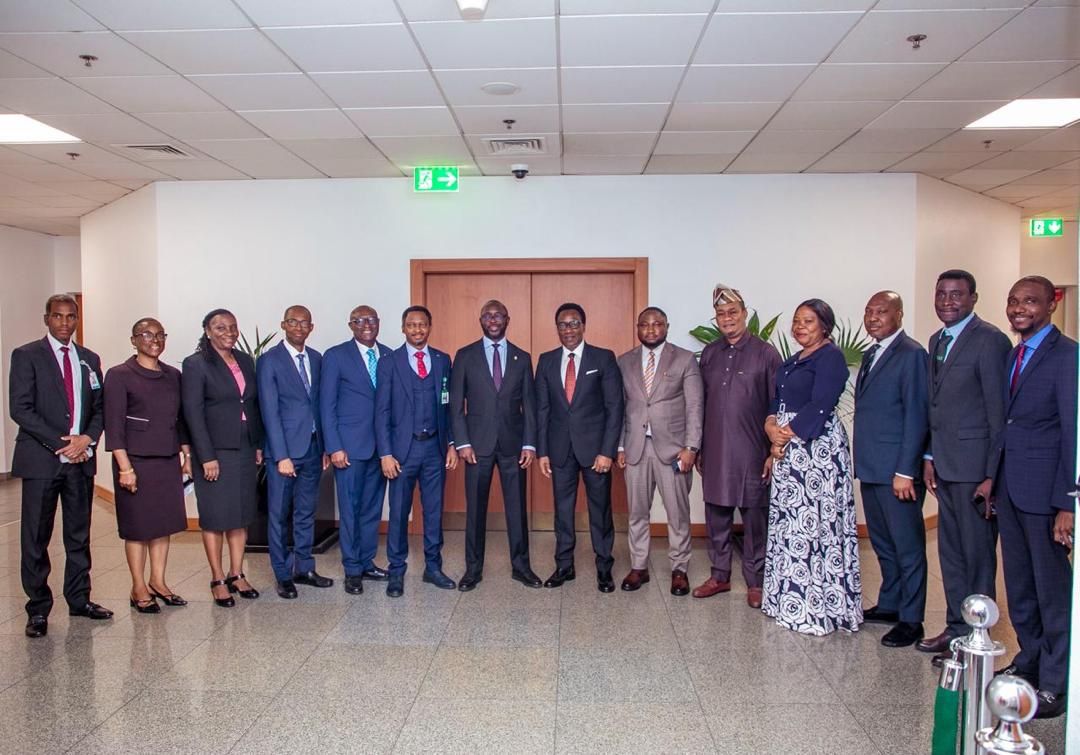





Abuja, Nigeria — The Central Bank of Nigeria (CBN) has intensified efforts to integrate climate and weather intelligence into economic policymaking following the signing of a Memorandum of Understanding (MoU) with the Nigerian Meteorological Agency (NiMet).
Deputy Governor of the CBN, Muhammad Sani Abdullahi, said climate and weather data are becoming increasingly critical in economic management, particularly for countries like Nigeria where agriculture is heavily dependent on weather conditions.
According to Abdullahi, climate patterns now have direct implications for food production, inflation, livelihoods, and overall macroeconomic stability, making accurate and timely meteorological information essential for effective policy decisions.
Speaking after representing the apex bank at the MoU signing ceremony, Abdullahi noted that the collaboration between the CBN and Nigerian Meteorological Agency would improve data sharing, institutional cooperation, and research capabilities.
He explained that the partnership is expected to enhance agricultural planning, food inflation modelling, economic forecasting, and broader policy analysis within the Nigerian economy.
The Deputy Governor commended the leadership and staff of NiMet, led by Director General and Chief Executive Officer Charles Anosike, as well as the Statistics and Legal Services Departments of the CBN, for their professionalism in facilitating the agreement.
Abdullahi further emphasized that stronger institutions, improved data systems, and closer inter-agency collaboration would remain vital for informed decision-making and sustainable economic development as global economies continue to evolve.