


African real estate entrepreneur and philanthropist Mustapha Njie has reaffirmed his ambition to deliver one million affordable homes across Africa, while unveiling a new initiative focused on tackling the growing student accommodation deficit in Sub-Saharan Africa.
Njie, who disclosed the development in a recent statement, said the vision, launched in 2018 and initially viewed by many as unrealistic, is gradually gaining momentum across several African countries.
According to him, ongoing housing projects under the initiative currently include 5,000 homes in The Gambia, 20,000 units in Nigeria, 5,000 homes in Sierra Leone, and a newly signed 10,000-unit housing deal in Liberia.
Beyond residential housing, Njie said his company is now turning attention to the challenge of affordable and decent student accommodation, describing it as a “silent crisis” affecting millions of young people across the continent.
He revealed that the latest intervention was inspired by engagements with Sierra Leonean education stakeholders, including the country’s Minister of Higher Education and a university Chancellor, who sought solutions to worsening student housing shortages.
Following consultations with students, university administrators, and local builders, Njie said a scalable and low-cost housing model was developed after extensive research and development efforts.
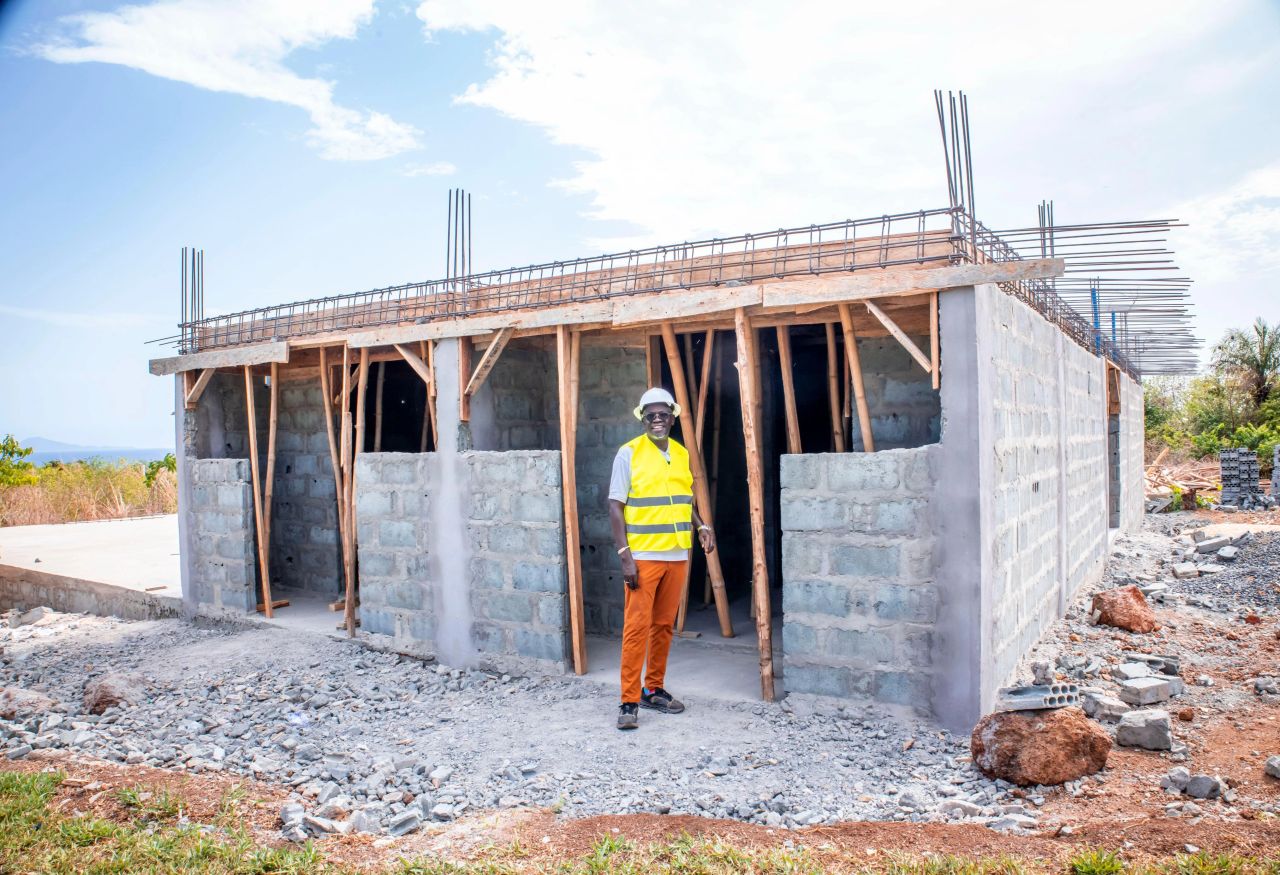
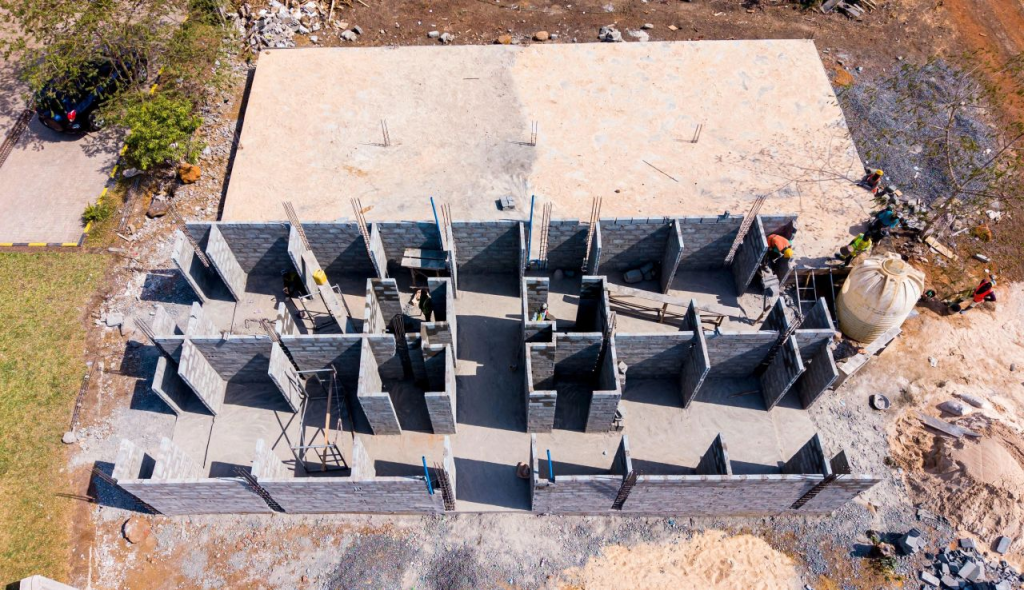
Sample student accommodation units are already under construction at the Taf Salone Micro City project in Sierra Leone, with plans to invite government officials, university administrators, development partners, and investors for inspection once completed.
Njie noted that the broader goal is to engage international financial institutions and African governments to replicate the initiative across tertiary institutions in Sub-Saharan Africa.
He stressed that poor housing conditions continue to undermine academic performance, student safety, and retention rates, particularly among young women and low-income students.
“Millions of students face unsafe commutes, overcrowded hostels, or exploitative rents. Purpose-built, affordable accommodation can remove a major barrier to higher education,” he stated.
Highlighting the prospects of the student housing sector, Njie identified rising university enrollment, recurring rental income, and strong social impact potential as major strengths driving investment opportunities in the space.
However, he also pointed to challenges such as high local borrowing costs, land tenure disputes, dependence on imported building materials, and weak property management systems in several African countries.
Njie further cited opportunities in blended finance, modular construction technologies, diaspora investment channels, and emerging public-private partnership frameworks in countries including Nigeria, Ghana, and Rwanda.
He warned that threats such as currency instability, policy uncertainty, political risks, and competition from informal housing providers could affect long-term sustainability.
As part of the next phase of the project, Njie disclosed plans to engage institutions such as the International Finance Corporation, African Development Bank Group, Proparco, and Shelter Afrique Development Bank to support expansion efforts.
“We are not just building rooms. We are building safe, dignified spaces where Africa’s next generation can live and thrive,” Njie said.