


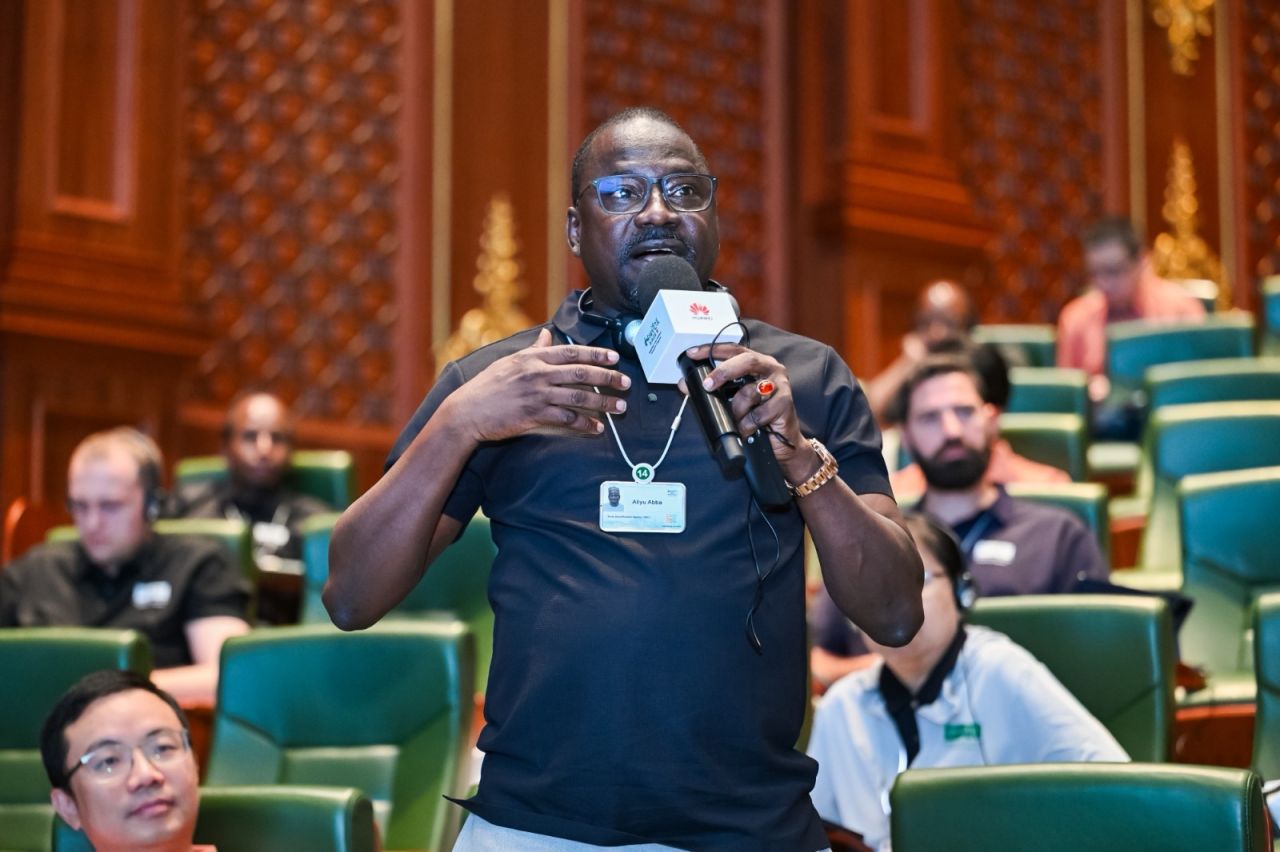






Dongguan, China — The Managing Director and Chief Executive Officer of the Rural Electrification Agency, Abba Aliyu, has emphasized the growing convergence of energy infrastructure and digital intelligence as a defining trend shaping the future of global power systems.
Aliyu made the remarks following his participation in the 8th Songshan Lake Seminar in Dongguan, hosted by Huawei Digital Power, where international energy leaders gathered to discuss innovation in low-carbon energy systems, digitalisation, and the global energy transition.
He noted that the energy sector is entering a new phase in which infrastructure, data systems, and clean energy technologies are becoming increasingly interconnected. According to him, this shift is redefining how countries design, scale, and sustain electricity networks.
The seminar featured high-level discussions led by senior Huawei executives, including Hou Jinlong, Director of the Board of Huawei and President of Huawei Digital Power, who spoke on industry trends and low-carbon energy development, and Zhou Jianjun, Vice President of Huawei, who highlighted corporate strategy and innovation culture within the organisation.
Aliyu said the insights reinforced the importance of positioning Nigeria within global conversations on digital energy transformation, particularly as countries accelerate efforts to modernise their power systems.
He also highlighted ongoing reforms and digital initiatives at Nigeria’s Rural Electrification Agency, noting the development of platforms such as VIDA and an internal Impact Metrics Dashboard designed to track the social, environmental, and economic outcomes of electrification projects across the country.
According to him, these tools are improving transparency and enabling data-driven decision-making in the implementation of mini-grid and rural electrification projects.
Aliyu explained that the next phase of Nigeria’s electrification agenda will focus on scaling smart energy systems, improving efficiency, and strengthening real-time monitoring of energy infrastructure nationwide.
He stressed that adopting advanced digital technologies will be critical to making mini-grids more responsive and effective, while aligning Nigeria’s energy transition efforts with global carbon reduction goals.
Beyond the technical discussions, Aliyu described the engagement as an opportunity to build international partnerships and strengthen Nigeria’s visibility within the evolving global energy ecosystem.
He concluded that sustained collaboration, innovation, and technology adoption will define the next phase of electrification in Nigeria, adding that the work toward a smarter and more efficient energy system is ongoing.