


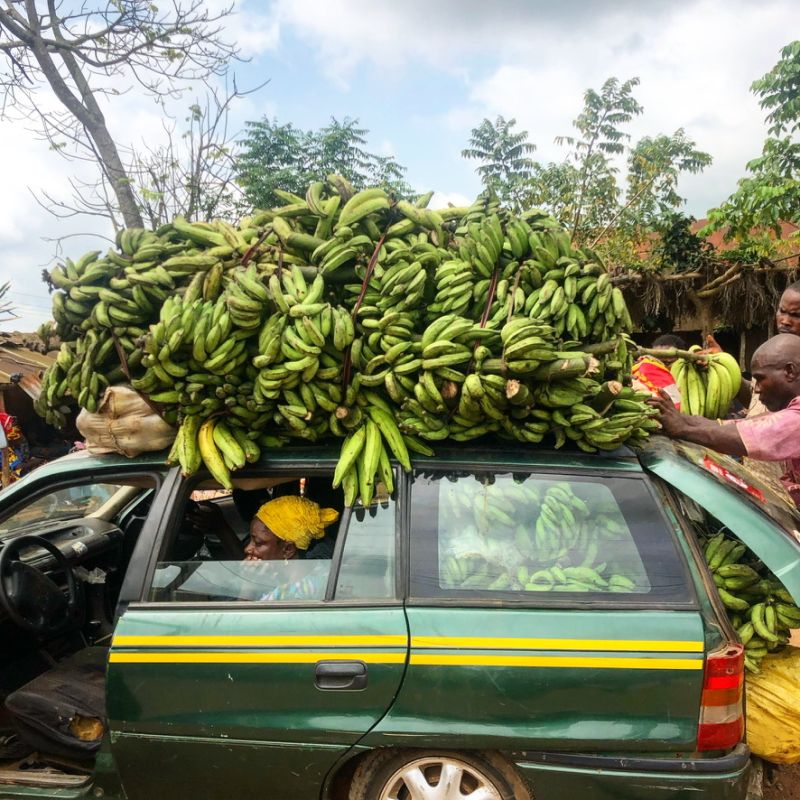
Nigeria’s absence from the global banana export market, despite being one of the world’s top producers, has been attributed to persistent post-harvest and logistics challenges, according to Deola Balogun, Chief Operating Officer of Limlim Foods.
Balogun noted that Nigeria produces an estimated 7.3 million tonnes of bananas annually, placing it among the top 10 producers globally. However, the country remains largely absent from international export rankings, missing out on a global banana trade valued at over $15 billion each year.
He explained that the gap is not due to poor agricultural output but rather systemic inefficiencies that occur after harvest. According to him, issues such as the absence of cold chain infrastructure, lack of standardized grading and packaging systems, and limited alignment with international market requirements continue to hinder Nigeria’s competitiveness.
Balogun contrasted Nigeria’s situation with that of countries like Philippines, where banana exports are driven by structured systems that prioritise post-harvest handling. In such markets, produce is processed, graded, and packaged according to buyer specifications, ensuring quality and consistency upon delivery.
He cited a recent example of a fully processed container of export-ready bananas sold in Dubai within 30 minutes, highlighting the efficiency and profitability of well-coordinated supply chains. The transaction, he noted, generated more foreign exchange in a short period than many Nigerian farmers earn over an entire season.
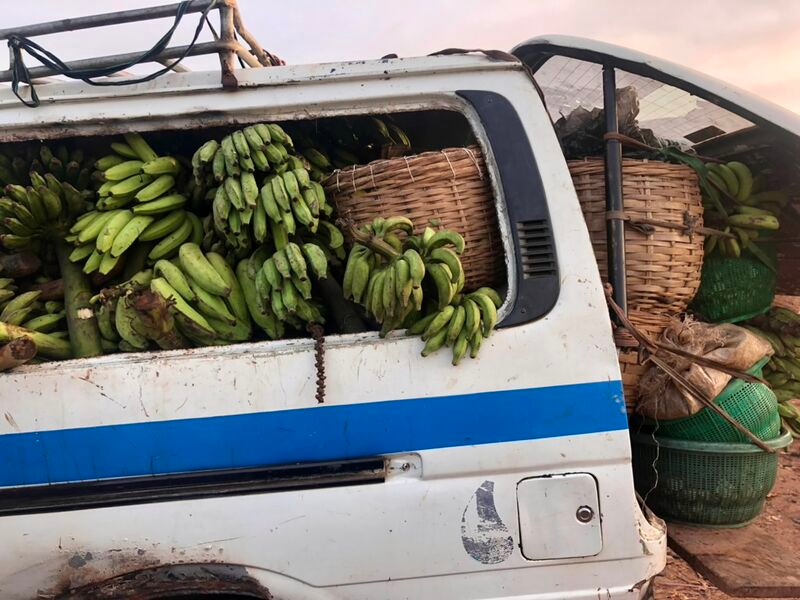
Balogun emphasised that Nigeria’s farmers are not the problem, describing them as capable producers of high-quality fruit. Instead, he pointed to a fragmented value chain that effectively ends at the farm gate, with limited investment in processing, storage, and logistics infrastructure.
He further argued that capturing even two per cent of the global banana export market could generate over $300 million annually in foreign exchange for Nigeria, leveraging existing production capacity.
The Limlim Foods executive called on investors, processors, and logistics stakeholders to address the longstanding post-harvest gap, stressing that the country’s continued absence from the export market reflects a lack of coordinated effort rather than a lack of potential.
He concluded by urging stakeholders to prioritise value chain development, noting that sustained inaction over the past two decades has cost the country significant economic opportunities.
By
ANTHONY EMEKA NWOSU