


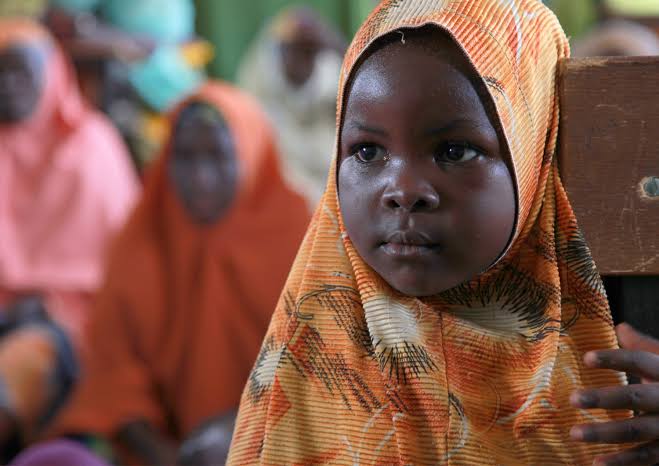
Recent multidimensional poverty estimates highlight a widening gap between regions in Nigeria. Southern states dominate the list of areas with the lowest severe poverty rates, while several northern states account for the highest concentrations. Within the South, the South East stands out as a region with relatively low severe poverty figures compared to many other parts of the country.
States such as (0.3%), (0.5%), (1.1%), (2.4%), and (3.4%) all rank among the states with comparatively lower severe poverty levels. While these figures do not suggest the absence of poverty, they indicate a relatively higher level of economic activity and household resilience compared to many northern states such as and , where over half of the population is reported to live in severe poverty.
Why the South East Records Lower Poverty Rates
Several interrelated economic, social, and structural factors help explain why the South East appears to have lower severe poverty rates:
1. Strong Informal Economy and Entrepreneurship Culture
The South East is widely known for its dense network of small and medium-scale enterprises. Trading, retail, manufacturing (especially in cities like and ), and services form the backbone of local economies. Many households engage in multiple income streams—shopkeeping, import/export, craftsmanship, and logistics—reducing dependence on formal employment.
2. Household-Based Wealth Creation
Unlike economies that rely heavily on salaried employment, many South East households operate family-run businesses. This structure spreads income generation across family members and helps cushion against unemployment shocks. Wealth is often built incrementally through trade rather than wages alone.
3. High Levels of Internal Mobility and Migration Networks
South East migrants have historically established strong commercial networks across Nigeria and in the diaspora. Remittances from family members working in other parts of Nigeria and abroad contribute significantly to household income and local investments in housing, education, and business.
4. Education and Skill Acquisition
While challenges remain, the South East has relatively high levels of educational attainment compared to some other regions. This supports adaptability in both formal and informal sectors, enabling individuals to transition between trading, skilled labor, and entrepreneurship.
5. Urban Density and Commercial Activity
Cities like and serve as hubs for commerce, services, and small-scale industries. High population density combined with active markets creates continuous economic circulation, which can reduce the concentration of extreme poverty even if inequality persists.
6. Asset-Based Wealth (Housing and Land Ownership)
In many South East communities, a significant number of people own land or homes, even if income is irregular. Asset ownership provides a form of economic security that can mitigate the severity of poverty, especially when compared to populations with limited access to land or housing.
7. Cultural Emphasis on Self-Reliance
There is a strong cultural orientation toward independence and self-employment. This does not eliminate hardship, but it often translates into higher participation in micro-enterprises and informal sector activities rather than long-term unemployment.
Important Context
Despite these relative advantages, the South East is not free from poverty or structural challenges. Issues such as underinvestment in large-scale industry, infrastructure deficits, rising urban costs, and unemployment among youth remain significant concerns. Additionally, the region’s economic strength is still heavily tied to informal and small-scale activities, which can be vulnerable to shocks.
Broader Implications
Nigeria’s poverty distribution reflects more than just regional differences—it highlights disparities in infrastructure, education, security, economic diversification, and governance. The South East’s comparatively lower poverty rates are closely linked to its entrepreneurial ecosystem and commercial networks, rather than large-scale industrial development.
However, sustaining and improving these outcomes will require deliberate policy support—especially in expanding infrastructure, formalizing businesses, improving access to credit, and supporting scalable industries.
The data suggests that the South East’s relative resilience in poverty metrics is not accidental. It is shaped by a combination of grassroots entrepreneurship, strong informal markets, social networks, and asset ownership. At the same time, it underscores a broader national reality: poverty reduction in Nigeria is uneven, and long-term progress will depend on addressing structural imbalances across all regions.