







A senior real estate executive has drawn attention to the widening gap between Nigeria’s infrastructure needs and the pace of property development, describing it as both a challenge and an opportunity for investors in the sector.
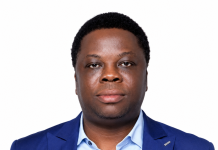
Elliot E. Odia, Founder and Group CEO of Wisecom Realty and a Non-Executive Director at Veluxe Capital, noted that discussions around rising property prices in Lagos often overlook deeper structural issues shaping the market.
He pointed to Nigeria’s estimated annual infrastructure shortfall of about $14 billion alongside growing revenues from the short-let rental segment in Lagos, which reportedly reached ₦281.03 billion in 2025 and is expected to increase further in 2026. According to Odia, these trends do not contradict each other but instead signal a market that is evolving in response to demand pressures and supply constraints.
Odia explained that the real estate market is becoming increasingly selective, with capital flowing toward assets located in well-developed and functional corridors rather than simply any property within major urban centers. He emphasized that investors are prioritizing developments that demonstrate operational efficiency, regulatory resilience, and the ability to meet rising tenant expectations.
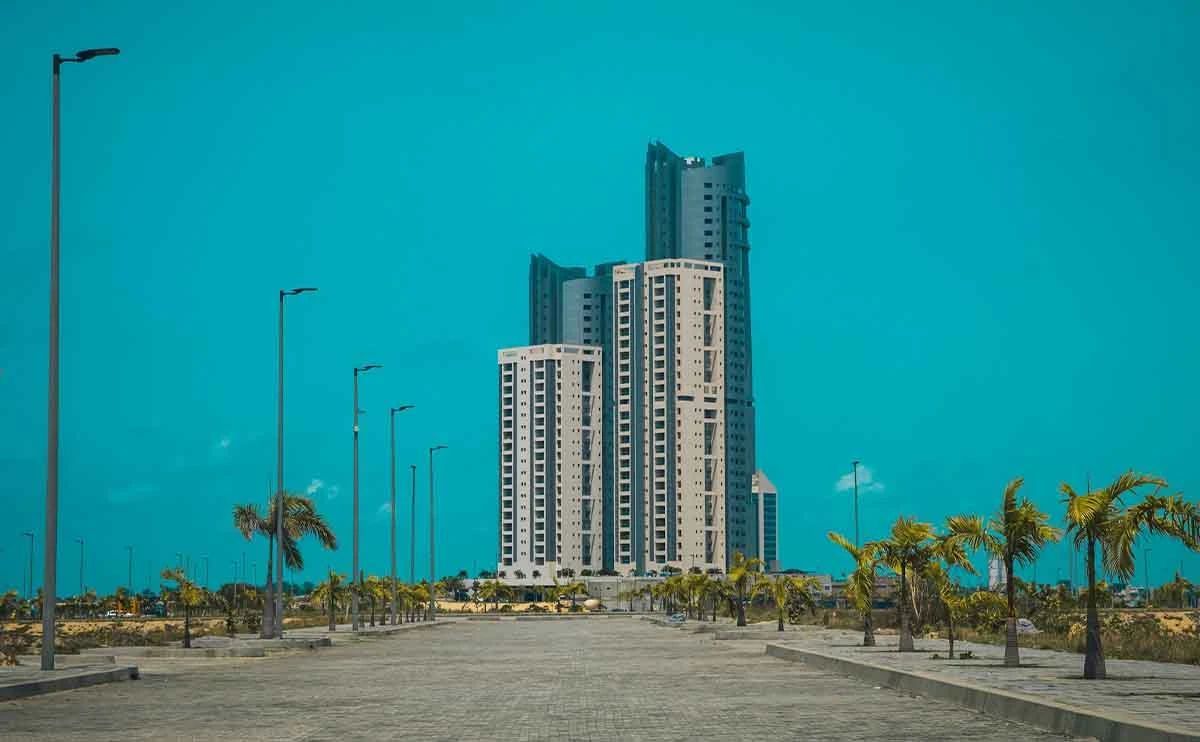
He highlighted key high-value locations such as Eko Atlantic, Ikoyi, and Victoria Island as examples of areas where infrastructure, policy environment, and location converge to create resilient investment opportunities. These zones, he suggested, are attracting attention not just because of demand, but because of their relative stability in a tightening economic and regulatory landscape.
Odia further advised stakeholders—including buyers, developers, and advisors—to look beyond traditional metrics such as yield when evaluating assets. Instead, he urged a focus on the underlying utility of a property, particularly its ability to remain viable under changing market conditions.
Industry analysts note that Nigeria’s urban real estate sector, particularly in Lagos, continues to be shaped by rapid population growth, infrastructure gaps, and increasing investor sophistication, all of which are influencing where and how capital is deployed in the market.