


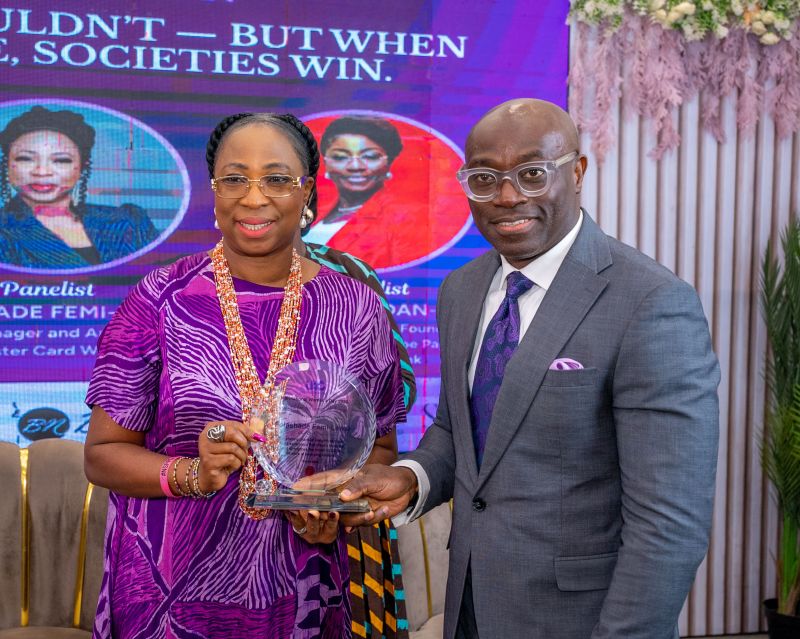






The conversation around women’s leadership and inclusion in corporate and technology spaces has taken centre stage once again, following a high-profile panel appearance by fintech executive Dr. Folasade Femi‑Lawal at a recent leadership forum.
Speaking during an event organised by Under 40 CEOs to mark International Women’s Day, the industry leader joined other panellists in a bold discussion titled “They Said I Couldn’t — But When Women Rise, Societies Win.” The dialogue spotlighted persistent barriers faced by women in business and technology, while also challenging institutions to create more inclusive pathways to leadership.
Panel participants emphasised that systemic change — including stronger mentorship programmes, targeted sponsorship opportunities, and intentional funding support — remains critical to closing gender gaps in executive positions. According to speakers at the forum, empowering women to lead does not only benefit individuals but can have far-reaching effects on economic development, innovation, and social progress
The discussion comes at a time when global conversations about diversity in boardrooms and digital transformation leadership continue to intensify. Observers note that despite progress, women are still under-represented in key decision-making roles, particularly in emerging sectors such as fintech and advanced technology.
During the event, Dr. Femi-Lawal was also presented with an Influence and Impact Award, a recognition organisers described as a celebration of her contributions to advancing digital transformation and championing leadership opportunities for women. In her remarks, she framed the honour as a shared achievement rather than a personal milestone, stressing that meaningful change requires collective action and sustained commitment.
She further acknowledged the role of conveners, including Familusi A. Babajide, in fostering dialogue that brings together leaders, innovators, and change-makers . Stakeholders say such platforms are increasingly important in shaping policy conversations, inspiring the next generation of professionals, and strengthening collaboration across industries.
Analysts argue that events highlighting women’s leadership journeys are helping to shift public narratives and challenge stereotypes that have historically limited participation in high-growth sectors. As debates on gender equity continue, advocates insist that sustained advocacy, institutional reforms, and visible role models will be crucial in ensuring that progress translates into real opportunities for future leaders