








ANTHONY EMEKA NWOSU
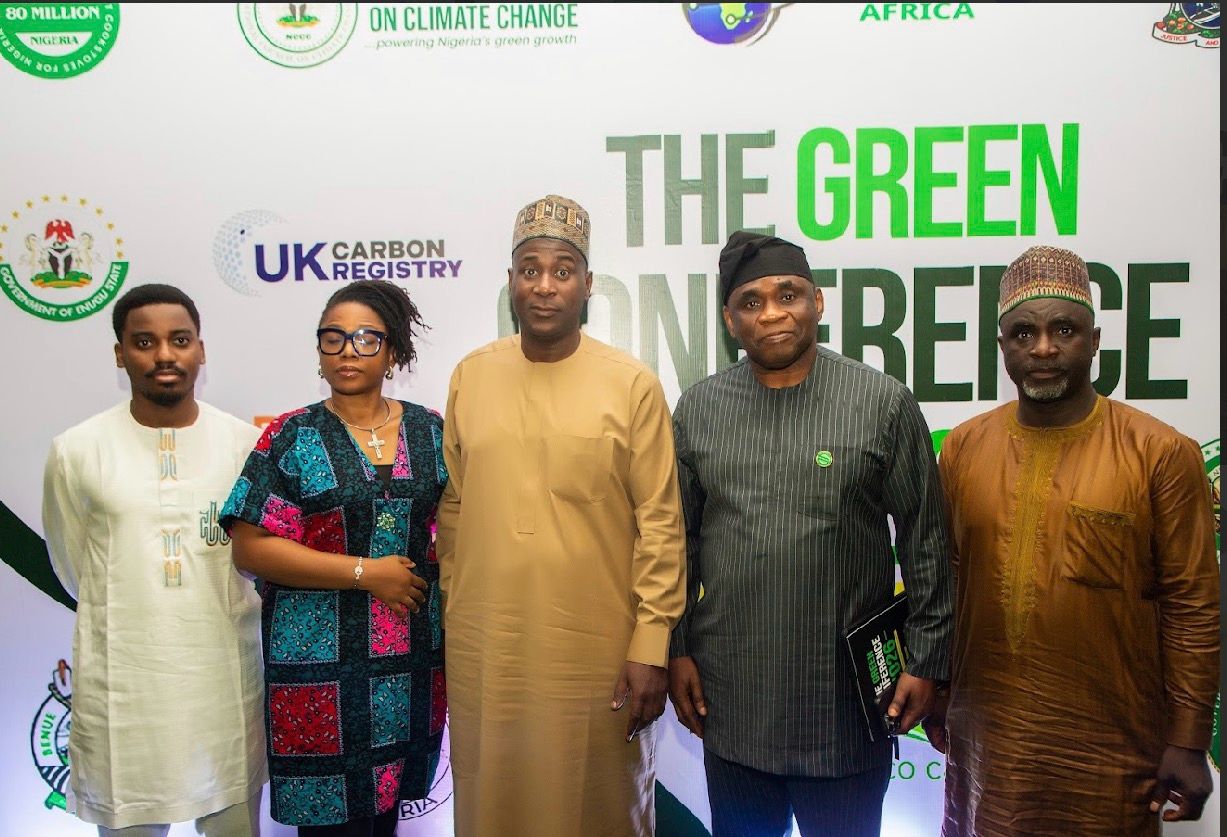
Nigeria’s push toward a greener digital future took centre stage at a major sustainability gathering in Lagos, where policymakers and industry leaders highlighted the urgent need to decarbonise the country’s rapidly expanding telecommunications sector. 🌍📡
At The Green Conference 2026, climate and digital economy experts stressed that while telecommunications has become one of the strongest drivers of economic growth and innovation, its increasing energy demands now pose significant environmental challenges.
Speaking at the event, policy and climate strategist Anthony Ojobo underscored the importance of aligning digital expansion with sustainability goals. He noted that Nigeria’s telecom industry has evolved into a vital pillar of national development, enabling financial inclusion, digital education, healthcare access, and efficient governance through connectivity.
Telecom growth and rising environmental pressure
Nigeria currently boasts more than 200 million active mobile lines, reflecting the scale and importance of digital connectivity in everyday life. However, experts at the conference warned that the infrastructure supporting this growth — including thousands of base transceiver stations, fibre-optic networks, and large data centres — requires constant and reliable power supply.
In many parts of the country, this power demand is met through diesel-powered generators, contributing to increased carbon emissions and environmental degradation. As network coverage expands into rural and underserved areas, the challenge of balancing connectivity with climate responsibility is becoming more urgent. ⚡🌱
Delivering the keynote address on behalf of the Executive Vice Chairman and Chief Executive Officer of the Nigerian Communications Commission, Dr Aminu Maida emphasised that the future of the digital economy must be low-carbon. He highlighted the need for regulators and industry players to work together to ensure that technological progress does not come at the expense of environmental sustainability.
Telecommunications as a climate solution
Beyond its role as an emissions source, stakeholders at the conference agreed that the telecommunications sector can also serve as a powerful enabler of climate action. Digital networks are already supporting innovations such as smart energy systems, environmental monitoring tools, precision agriculture technologies, and intelligent transport solutions.
These digital applications help improve efficiency across sectors, potentially reducing emissions far beyond the telecom industry itself. For example, smart farming technologies can reduce waste and optimise resource use, while digital financial platforms are making climate finance more accessible to businesses and communities. 📊🚜
Globally, experts estimate that the information and communications technology ecosystem contributes between 2 and 4 percent of total carbon emissions. Yet the same technologies also hold the potential to drive significantly larger emission reductions in sectors such as transport, manufacturing, and energy.
Regulatory leadership and sustainability targets
Conference discussions also focused on the role of government oversight in guiding the transition to greener telecom operations. The communications regulator has been encouraging operators to adopt energy-efficient infrastructure, explore renewable energy solutions for network sites, and deploy digital tools that support climate adaptation and resilience.
Such measures are expected to align the telecom sector with Nigeria’s broader environmental commitments while ensuring continued economic growth driven by digital innovation.
Social and economic implications
The social impact of decarbonising telecommunications is far-reaching. Reliable and sustainable connectivity can enhance access to online education, improve telemedicine services in remote areas, strengthen disaster response systems, and support inclusive economic participation.
Analysts say a green digital transition could also create new employment opportunities in renewable energy deployment, smart technology development, and climate-focused digital services. At the same time, failure to address the sector’s environmental footprint may increase long-term costs, worsen pollution in urban and rural communities, and undermine national climate targets.
As Nigeria’s digital economy continues to expand, stakeholders at the conference stressed that the country stands at a critical crossroads: ensuring that technological advancement supports both economic prosperity and environmental protection.
The consensus among participants was clear — telecommunications is no longer just about connectivity. It is becoming a strategic tool for shaping a sustainable future, strengthening climate resilience, and improving the quality of life for millions of Nigerians.