





Abuja, March 10, 2026 – Nigeria has officially begun the process of implementing Executive Order 9, a key reform aimed at improving transparency, increasing federal revenues, and ensuring that the country’s petroleum resources provide tangible benefits to all Nigerians.
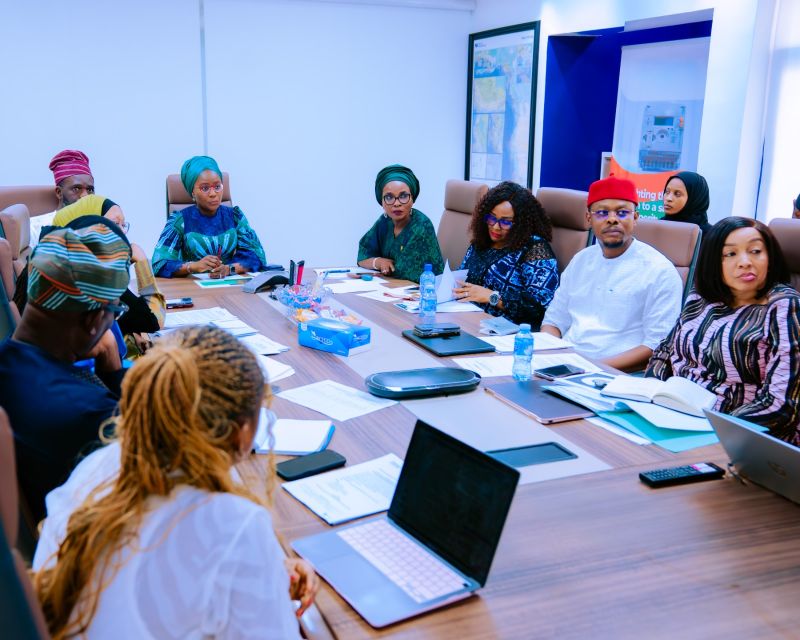
Olu Arowolo Verheijen, Special Adviser to the President on Energy, announced that the Implementation Committee’s Technical Subcommittee, which he chairs, held its inaugural meeting on Friday, March 6, 2026. The committee’s mandate is clear: to develop guidelines for the seamless transfer of profit oil, royalty oil, and tax oil directly into the Federation Account, and to conduct a targeted review of the Petroleum Industry Act to address structural and fiscal gaps that have historically weakened federal revenue.
“This is an important step to protect the sanctity of contracts, maintain investor confidence, and ensure that Nigeria’s oil wealth translates into measurable value for our citizens,” Verhejen said.
Experts say the reforms could have far-reaching social and economic effects. By ensuring that more oil revenue reaches the Federation Account, the government could fund essential services such as education, healthcare, and infrastructure development, directly improving the lives of millions of Nigerians. At the same time, the clarification of contractual obligations and increased transparency is expected to strengthen investor confidence, attracting sustained foreign investment while balancing economic and social needs.
In the coming weeks, the Technical Subcommittee plans to engage with stakeholders across government and industry, issue clear guidance, and provide regular updates on the progress of implementation. Analysts describe this move as a strong signal of Nigeria’s commitment to fiscal discipline and social responsibility, aligning national resource management with the broader goal of inclusive development.
With the country’s heavy dependence on oil revenue, the successful implementation of Executive Order 9 could mark a turning point in Nigeria’s efforts toward greater economic equity, accountability, and sustainable development.