


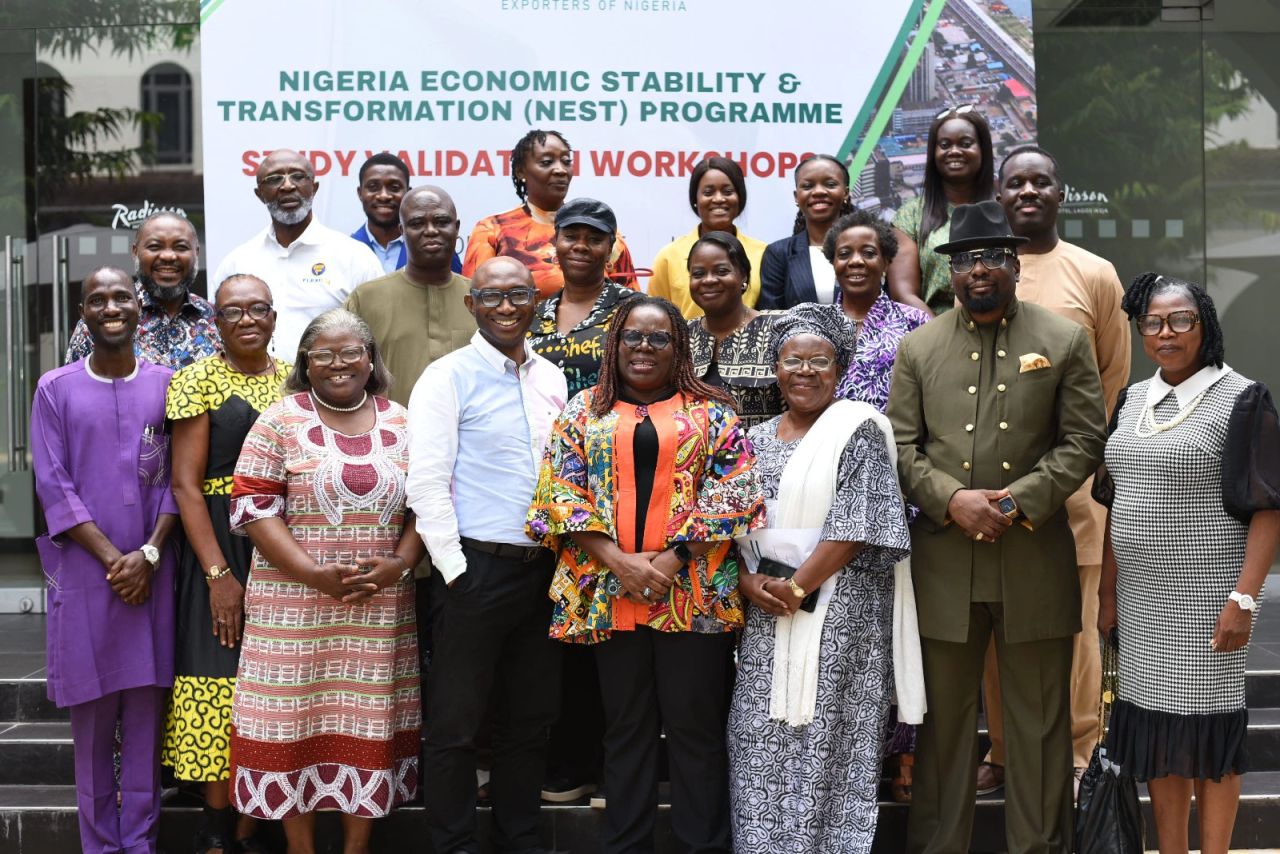






Stakeholders in Nigeria’s trade and export ecosystem have begun a nationwide series of validation workshops aimed at strengthening the country’s non-oil export sector and improving market access for small and medium-sized enterprises (SMEs).
The first phase of the workshops was held in Port Harcourt, Aba, and Lagos, bringing together exporters, policymakers, and industry practitioners to review findings from a new market access study focused on Nigeria’s non-oil export potential.
According to Titi Ojo, a trade and export development expert involved in the initiative, the workshops serve as a platform to test research findings against real industry experiences and ensure that policy recommendations reflect on-the-ground realities.
The study validation process is being coordinated by the Network of Practicing Non-Oil Exporters of Nigeria (NPNEN), which is working with exporters and sector stakeholders to refine strategies that could improve Nigeria’s competitiveness in global markets.
Participants are reviewing the study’s findings, providing feedback, and helping shape practical recommendations designed to support exporters navigating evolving international trade frameworks.
The Market Access Study for Nigeria’s Non-Oil Export was commissioned by the Nigeria Economic Stability and Transformation Programme with funding support from the Foreign, Commonwealth & Development Office of the United Kingdom.
The research focuses on helping Nigerian SMEs take advantage of trade opportunities under the Developing Countries Trading Scheme (DCTS) and the African Continental Free Trade Area (AfCFTA), both of which aim to expand market access and strengthen cross-border trade across Africa and beyond.
Organizers say the validation workshops function as collaborative platforms where policymakers, exporters, and trade experts jointly refine policy recommendations to ensure they are practical, actionable, and aligned with industry needs.
The workshop series will continue in Kano and Abuja in the coming week, as stakeholders seek to finalize recommendations that could support Nigeria’s long-term strategy to diversify exports beyond oil.