


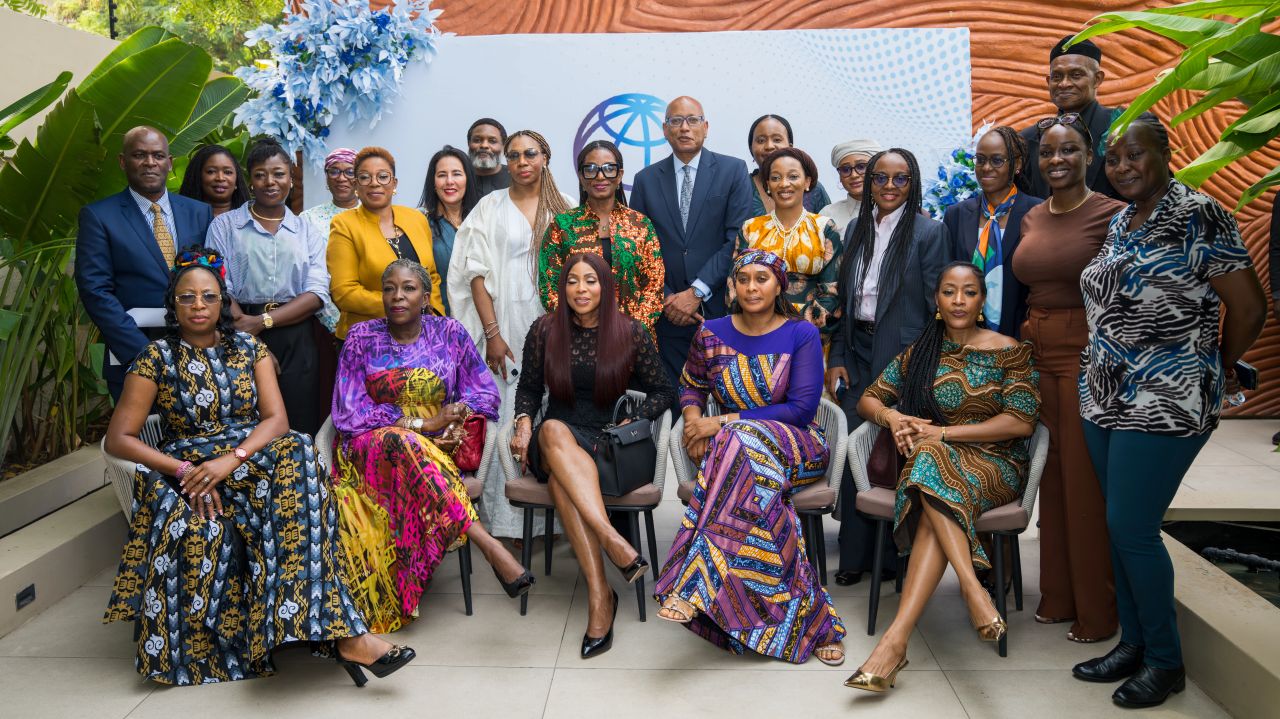





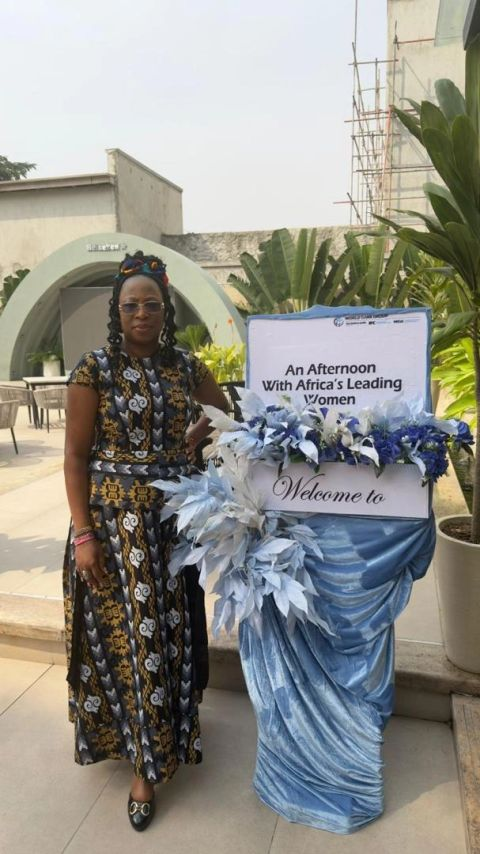
The recent Afternoon with Africa’s Leading Women, convened by the International Finance Corporation (IFC), highlighted a critical shift in Africa’s financial ecosystem: advancing women’s entrepreneurship is no longer a social agenda alone — it is a capital allocation and market development strategy.
The gathering brought together senior financial executives, development partners, and business leaders, including Dr. Folasade Femi-Lawal and Ethiopis Tafara, to examine how coordinated financial infrastructure can unlock scalable growth for women-led enterprises.
Capital Mobilization and Market Access
At the center of discussions was the need to close structural financing gaps by strengthening three pillars of the ecosystem:
- Access to finance through blended capital and risk-sharing frameworks
- Market linkages to integrate women-led businesses into formal value chains
- Institutional backing to de-risk early-stage and growth-stage enterprises
The expansion of IFC’s She Wins Africa program in Lagos illustrates this ecosystem-based approach. Now reaching 1,000 women entrepreneurs, the initiative has mobilized $4 million in startup financing from its first cohort. Beyond funding, the program integrates mentorship, governance support, and investor engagement — building investable pipelines rather than one-off transactions.
Corporate–Development Finance Alignment
Private sector participation is reinforcing this momentum. Mastercard reiterated its commitment to connect 25 million women entrepreneurs to the digital economy by 2025 through financial inclusion, digital tools, and affordable financing solutions.
This strategy is already taking shape through structured partnerships. A tripartite agreement between Mastercard, IFC, and NMB Bank, signed during the 2024 World Bank Annual Meetings, is projected to reach 140,000 women entrepreneurs in Tanzania — demonstrating how multilateral institutions, commercial banks, and payment networks can collaborate to expand credit access at scale.
From Participation to Systemic Influence
The presence of leaders such as Mo Abudu of EbonyLife Group and Surayyah Ahmad, who now leads Nigeria’s $300 million Youth Entrepreneurship Investment Fund, signals increasing female leadership across capital markets, media, and public investment vehicles.
Africa already leads globally in female entrepreneurship. With women representing half of the continent’s youth population, the strategic integration of women-led enterprises into formal financial systems has implications for GDP expansion, job creation, and cross-border trade under frameworks such as the AfCFTA.
A Structural Shift
The Lagos convening underscored a broader financial ecosystem evolution — from isolated empowerment programs to coordinated capital strategies. By aligning development finance institutions, commercial banks, fintech platforms, and corporate commitments, stakeholders are moving toward a more inclusive capital architecture.
The message from the forum was clear: strengthening women’s economic participation is not peripheral to Africa’s growth story — it is central to building a resilient, scalable, and inclusive financial ecosystem.