


For millions of Nigerians, daily life now revolves around smartphones, mobile banking apps, social media platforms, and smart digital services. From sending money to chatting with loved ones or booking rides, personal information is constantly being shared—often without a second thought. But as digital convenience grows, so do concerns about who really has access to this data and how it is being used.
It is against this backdrop that the Nigerian Data Protection Commission (NDPC) has renewed its call for stronger data protection, warning that unchecked digital growth could leave citizens exposed to cybercriminals and unethical data practices.
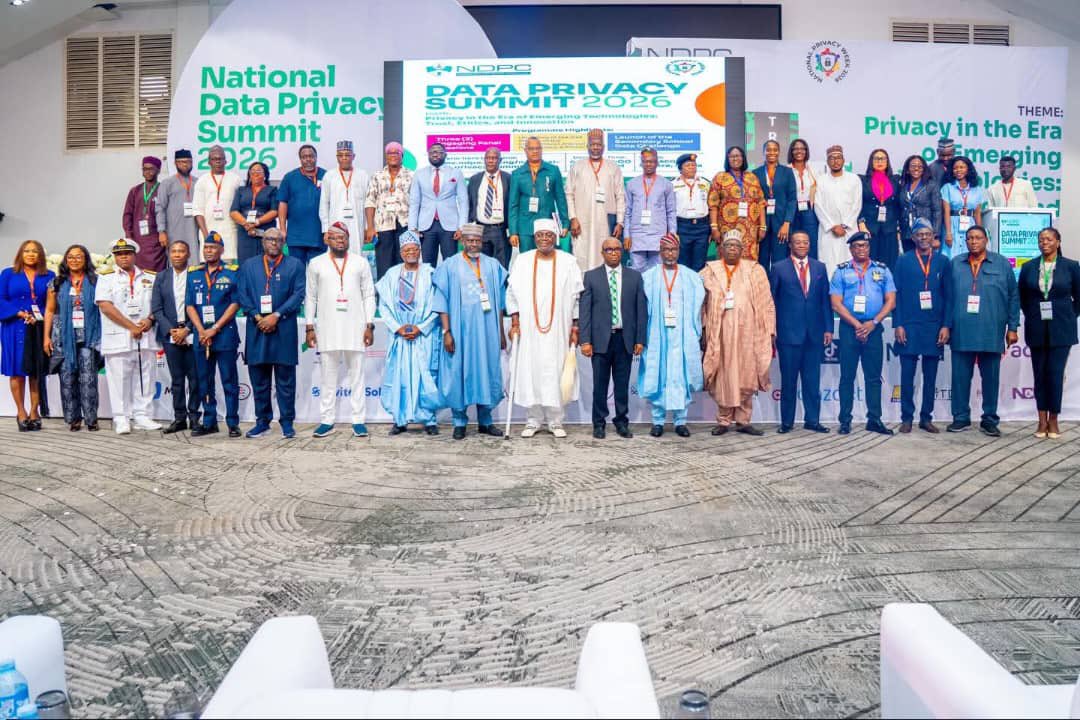
At the Data Privacy Summit 2026 held in Abuja and hosted by the NDPC, policymakers, technology experts, and regulators gathered to confront a pressing question: how can Nigeria enjoy the benefits of digital innovation without putting the privacy and safety of its people at risk?
Addressing participants at the summit, Vincent Olatunji, National Commissioner and Chief Executive Officer of the NDPC, stressed that data protection is no longer a technical issue reserved for experts, but a real-life concern that affects families, businesses, and communities.
“Every time a Nigerian uses a mobile app, registers for a service, or shares personal details online, they are placing trust in the system,” Olatunji said. “Privacy is not optional. It is a fundamental right, and protecting personal data is essential to preserving that trust in our digital future.”
Olatunji noted that without proper safeguards, personal information can easily fall into the wrong hands—leading to identity theft, financial loss, and emotional distress for unsuspecting users. He added that the NDPC is intensifying efforts to strengthen regulations, enforce compliance, and raise public awareness so that Nigerians better understand their rights in the digital space
The conversations at the summit reflected growing anxiety over emerging technologies such as artificial intelligence, data analytics, and smart devices, which collect vast amounts of personal information—often silently and continuously. Participants agreed that while these tools offer innovation and economic opportunities, they must be guided by ethics and accountability.
Among those present was the Director-General and Chief Executive Officer of the Katsina State Information and Communication Technology Development Agency (KASITDA), @muzakkar, who joined national stakeholders in discussions on privacy, digital trust, and responsible innovation.
As Nigeria continues its journey toward a digital economy, speakers at the summit called for stronger collaboration between government agencies, technology companies, and civil society. Their shared message was clear: protecting personal data is not just about laws and policies—it is about protecting people.
Anthony EMEKA NWOSU