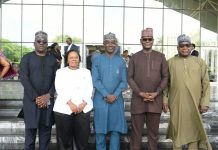



Ezza, Ebonyi State — The Ebonyi State Government has renewed focus on education and capacity building as critical tools for addressing the state’s long-standing developmental gap within the South-East region, with the flag-off of the second batch of its overseas scholarship programme.
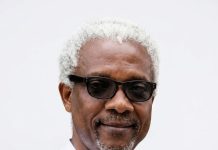
Speaking at the Chuba Okadigbo International Airport, Ezza, during the departure of the scholars, Governor Francis Nwifuru highlighted education as a strategic intervention to reverse decades of limited human capital development that have left Ebonyi trailing behind neighbouring states in key socio-economic indicators.
According to the governor, Ebonyi’s developmental challenges are closely linked to historical underinvestment in education, skills acquisition and global exposure. He noted that while other states in the region have benefitted from a larger pool of skilled professionals driving innovation, governance and private sector growth, Ebonyi has continued to struggle with capacity deficits across critical sectors.
The overseas scholarship scheme, fully funded by the state government under the People’s Charter of Needs Agenda, is positioned as a long-term response to this gap. It aims to equip young Ebonyi indigenes with advanced knowledge and international competencies needed to strengthen institutions, improve productivity and stimulate sustainable development on their return.
Governor Nwifuru acknowledged that sustaining such programmes amid economic pressures is challenging, but argued that failure to invest in people would further widen the development divide. He stressed that infrastructure and natural resources alone cannot deliver progress without a skilled and knowledgeable population to manage them effectively.
The governor also addressed concerns about accountability and outcomes, noting that the Ministry of Tertiary Education and the State Scholarship Board have instituted transparent selection and monitoring mechanisms. He reported that beneficiaries from the first batch are performing strongly in universities in the United Kingdom and Canada, suggesting early signs of return on investment in education.
Policy analysts observe that Ebonyi’s lag in the region is reflected in limited access to specialised skills, lower educational attainment and reduced competitiveness in attracting investment. Programmes such as the overseas scholarship scheme are seen as attempts to break this cycle by building a new generation of professionals capable of driving reform and innovation.
Governor Nwifuru urged the departing scholars to see themselves as part of a broader state-building effort, emphasising that their education is a public investment meant to translate into service and development at home.
As Ebonyi continues to confront structural challenges, the government’s renewed emphasis on education and capacity building signals a strategic shift towards addressing the root causes of underdevelopment rather than its symptoms.