


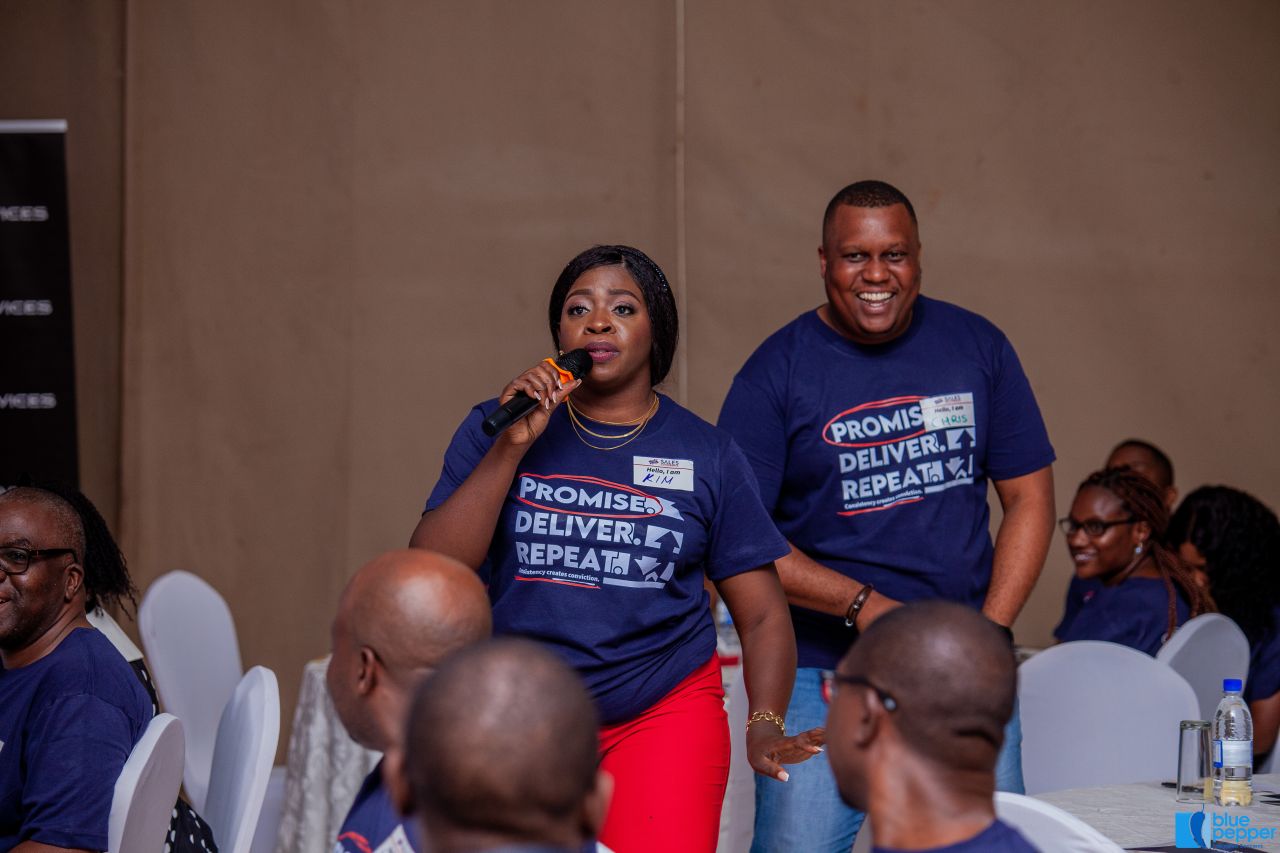
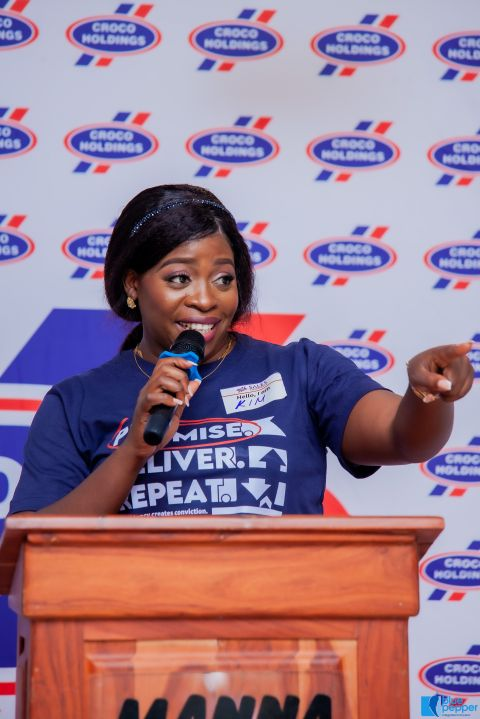
A recent sales conference in the motor industry has reignited an important conversation about leadership, execution, and the often-overlooked role of communication in driving business outcomes. Kim Sibanda, a multimedia broadcaster and brand communications strategist, brought these issues to the fore after moderating the high-level industry gathering, using the experience to spotlight lessons with far-reaching implications for corporate performance and sectoral growth.
Speaking from the perspective of an insider who guided the flow of discussions and energy in the room, Sibanda highlighted what she described as a critical truth in today’s competitive business environment: “My voice is my invoice.” In an era where trust, clarity, and influence determine success, she argued that communication is no longer a soft skill but a core economic asset.
According to Sibanda, being entrusted to lead conversations, connect stakeholders, and steer strategic dialogue comes with responsibility. Preparation, presence, and precision, she noted, directly affect outcomes. In industries such as automotive sales—where margins are tight, partnerships are complex, and customer expectations are constantly evolving—how messages are delivered can influence decisions, morale, and ultimately revenue.
Equally central to the discussion was the issue of planning and execution. Sibanda warned that strong intentions, without structure, rarely translate into success. Behind what appeared to be a seamless and high-energy conference, she revealed, was a framework of detailed planning: clear briefs, disciplined timing, coordinated teamwork, and contingency strategies to manage the unexpected.
“Failing to plan is planning to fail,” she stressed, emphasizing that excellence is deliberate, not accidental.
What stood out most, however, was the operational discipline of the teams involved. From leadership and sales to finance and Original Equipment Manufacturer (OEM) partnerships, Sibanda observed a high-functioning system in which every individual understood their role and trusted the process. This alignment, she suggested, is essential for sustainably serving the motor industry across its value chain.
Industry observers say the reflection touches on a broader challenge facing the automotive sector and other fast-moving industries: the gap between vision and execution. While many organizations articulate ambitious goals, only those with strong internal coordination and execution capacity are able to deliver consistent results.
Sibanda’s account reinforces a growing consensus that performance follows alignment—when vision, structure, and people work in sync. In such environments, communication becomes the glue that holds strategy together, ensuring that intentions are translated into action.
As the motor industry navigates changing consumer behavior, technological disruption, and economic pressure, the lessons from the conference resonate beyond the event itself. The message is clear: execution beats intention every time, and organizations that invest in planning, communication, and team cohesion are better positioned to thrive.
Reflecting on the experience, Sibanda expressed gratitude for the opportunity to be part of what she described as a “winning team in motion,” noting that the energy in the room served as a powerful reminder of what is possible when leadership, systems, and people align with purpose.