


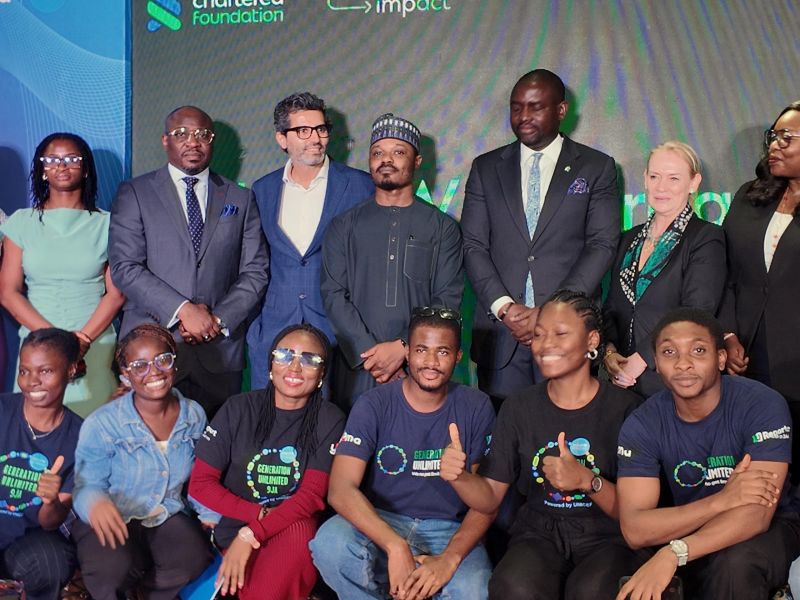






Airtel Nigeria has partnered with the United Nations Children’s Fund (UNICEF) to launch Links2Work, a youth empowerment initiative aimed at addressing two of Nigeria’s most pressing socio-economic challenges: youth unemployment and unequal access to digital opportunities.
The programme was unveiled in Lagos as part of Generation Unlimited Nigeria (GenU 9JA), a public–private platform designed to connect young people to education, skills development, and employment opportunities at scale. The initiative reflects growing concern among policymakers and development partners about the widening gap between Nigeria’s youthful population and the availability of decent work.
GenU 9JA was established to respond to this challenge by aligning government, private sector, and development actors around a shared goal of preparing young people for the future of work. Airtel Nigeria is one of the platform’s early private-sector partners, contributing through its core strength in digital access and connectivity.
A key issue addressed by the partnership is the cost barrier to digital learning. For many young Nigerians, access to online education and skills platforms remains limited by data affordability. To mitigate this, Airtel is providing zero-rated access to youth-focused platforms such as the Nigeria Learning Passport (NLP) and YOMA, allowing young people to access educational content, skills pathways, and career opportunities without incurring data costs.
The commitment was further reinforced with the launch of the Links2Work Programme, a three-year initiative implemented in partnership with UNICEF GenU 9JA and Standard Chartered Bank Nigeria. The programme is targeted at young women aged 18 to 24 in Nigeria and Kenya, a demographic disproportionately affected by unemployment, underemployment, and limited access to formal labour markets.
Links2Work is designed to expand employability pathways by connecting participants to skills development, mentorship, and paid work opportunities, with a particular focus on the digital and green sectors. These sectors are increasingly viewed as critical to future economic growth but remain largely inaccessible to many young women due to skills gaps and structural barriers.
By prioritising young women, the programme also addresses the broader issue of gender inequality in employment, especially in emerging sectors where women are underrepresented. Stakeholders say improving access to skills and work opportunities for young women has multiplier effects on household welfare, community development, and long-term economic resilience.
Airtel said its support for platforms such as GenU 9JA, the Nigeria Learning Passport, YOMA, and the Links2Work programme reflects a long-term belief that digital inclusion is central to youth empowerment.
The initiative comes at a time when Nigeria is grappling with a rapidly growing youth population and increasing pressure on the labour market. Development experts argue that without coordinated interventions that combine access, skills, and real job pathways, the country risks missing the demographic dividend offered by its young population.
By aligning connectivity with education and employment outcomes, the Airtel–UNICEF partnership positions Links2Work as a response not just to skills shortages, but to the broader challenge of ensuring that access to technology translates into meaningful economic opportunity.
ANTHONY EMEKA NWOSU