








Nigeria’s oil and gas sector has received a major confidence boost following Shell’s planned $20 billion investment in the Bonga South West deepwater project, a development that industry analysts say could mark a turning point for foreign direct investment in the country’s energy industry.
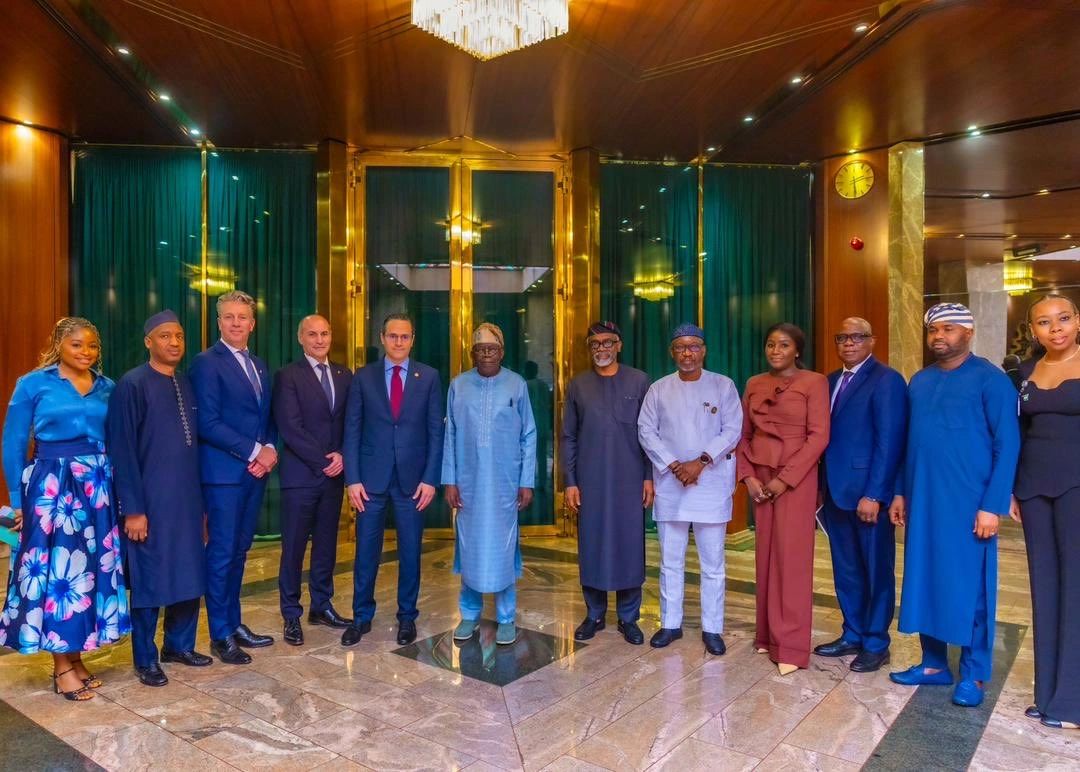
The announcement followed a high-level meeting involving President Bola Ahmed Tinubu, Shell Chief Executive Officer Wael Sawan, and senior government and industry stakeholders, underscoring renewed engagement between international oil companies and the Nigerian state after years of capital flight and stalled projects.
At the heart of the development is the issue of investment confidence, which has been strained in recent years by regulatory uncertainty, security concerns, and divestments by multinational operators. Shell’s commitment is being widely interpreted as a signal that recent reforms, including changes to fiscal terms and governance frameworks, may be beginning to restore investor trust.
Group Chief Executive Officer of NNPC Limited, Bashir Bayo Ojulari, said the investment reflects growing confidence in Nigeria’s operating environment.
“Shell’s planned $20 billion investment in the Bonga South West project marks renewed foreign investment confidence in Nigeria’s oil and gas sector,” Ojulari said.
Beyond investor sentiment, the proposed project has revived discussions around local content development and job creation, long-standing issues in Nigeria’s extractive industry. Stakeholders note that large-scale offshore projects typically have multiplier effects across fabrication, logistics, engineering, and construction services.
Ojulari said the anticipated capital inflow could have tangible domestic benefits if effectively implemented.
“Over time, this capital will revive fabrication yards, create construction jobs, and deliver tangible opportunities for Nigerians,” he said.
Another critical issue raised by the announcement is implementation credibility. Past mega-projects in the sector have often faced delays, cost overruns, or failure to fully materialise, prompting calls for stronger oversight and accountability. Analysts argue that ensuring transparency in project assumptions, timelines, and execution will be crucial to sustaining momentum and attracting further investments.
Addressing these concerns, Ojulari emphasized NNPC Limited’s commitment to responsible partnership and delivery.
“At NNPC Limited, we will continue working closely with our partners, investors, and relevant government agencies to ensure that investment assumptions and commitments are credible, transparent, and fully realised,” he said.
The development also brings renewed attention to the broader policy reform agenda under the current administration, particularly efforts to reposition Nigeria as a competitive destination for global energy capital amid an evolving energy transition. While offshore oil and gas projects remain capital-intensive and long-term, policymakers argue they are essential for revenue stability, energy security, and economic growth.
Industry observers say the success or failure of the Bonga South West project could serve as a litmus test for Nigeria’s ability to translate policy reforms into bankable, executable projects.
As global competition for energy investment intensifies, stakeholders note that sustained regulatory clarity, security of assets, and consistency in government engagement will determine whether Shell’s commitment becomes a catalyst for broader sectoral revival—or remains an isolated milestone.
TONY EMEKA NWOSU