


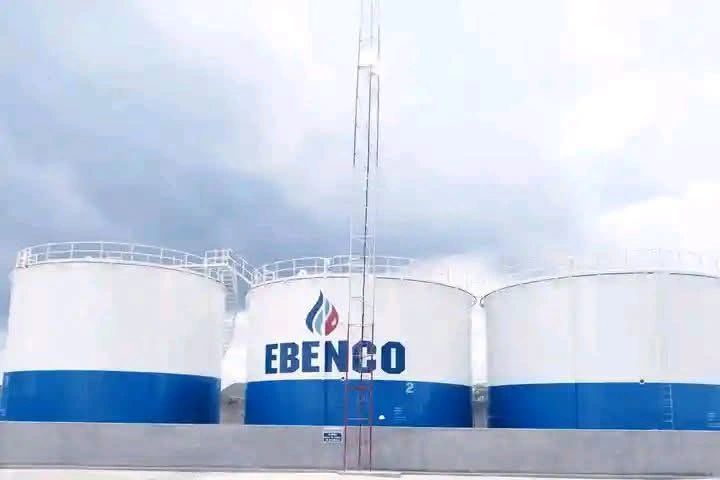






Amid persistent concerns over high fuel prices and Nigeria’s dependence on imported petroleum products, the Ebenco Modular Refinery project has emerged as a potential intervention in the country’s downstream oil and gas challenges.
The refinery, described as the first fully locally fabricated modular refinery in Nigeria’s history, is currently at an advanced stage of development, with production projected to commence in 2026. According to the company’s leadership, the project is designed to help reduce fuel costs for Nigerians by expanding domestic refining capacity and lowering reliance on imports.
Nigeria has long struggled with fuel price volatility driven by foreign exchange pressures, import logistics and limited local refining output. Industry analysts have consistently argued that increasing indigenous refining capacity remains critical to achieving price stability and energy security.
Ebenco says its refinery is powered by 100 per cent locally developed technology, a factor that has drawn attention from both domestic and international stakeholders. The project is being viewed as a test case for whether local engineering and fabrication can deliver scalable solutions to Nigeria’s refining deficit.
Government interest in the project has also underscored its perceived strategic importance. In 2025, the Minister of Petroleum Resources (Oil), Senator Heineken Lokpobiri, alongside other senior government officials, visited the refinery site and endorsed the technology deployed at the facility. The visit aligned with the Federal Government’s push to promote local content and reduce capital flight in the energy sector.
Despite growing optimism, experts note that the real impact of modular refineries on fuel prices will depend on production capacity, crude supply arrangements, regulatory consistency and market integration once operations begin.
As Nigeria continues to search for sustainable solutions to fuel affordability and energy independence, projects such as the Ebenco Modular Refinery are increasingly central to the national conversation on how local innovation can address long-standing structural challenges in the petroleum sector.
If you want, I can: