



At dawn in the cool highlands of Jos, Plateau State, farmhands move quietly between neat rows of strawberry plants. The berries are ripe—bright red, delicate, perfect. This should be a moment of triumph. Instead, it is a moment of dread.
For many farmers, harvesting no longer feels like success. It feels like gambling with loss.
Nigeria’s strawberry season, which runs from November to February, has collided with a brutal reality: the country can grow strawberries, but it can no longer move them. What should be a short window of prosperity is fast becoming a season of waste, heartbreak, and unanswered questions.
“Should I Harvest, or Let It Rot?”
That single question, asked by a farmer in Jos, has come to define the crisis.
With peak yields of 15–30 tons per hectare, farmers should be preparing trucks and planes, not second-guessing whether picking their crop will deepen their losses. But strawberries are unforgiving. At room temperature, they survive only one to four days. Every hour matters.
Once harvested, the clock starts ticking—and in Nigeria today, the clock almost always wins.

The Plane That Held an Industry Together
For years, the country’s fragile strawberry value chain depended on one thing: air cargo out of Jos. It was expensive, inefficient, and unsustainable, but it worked—barely.
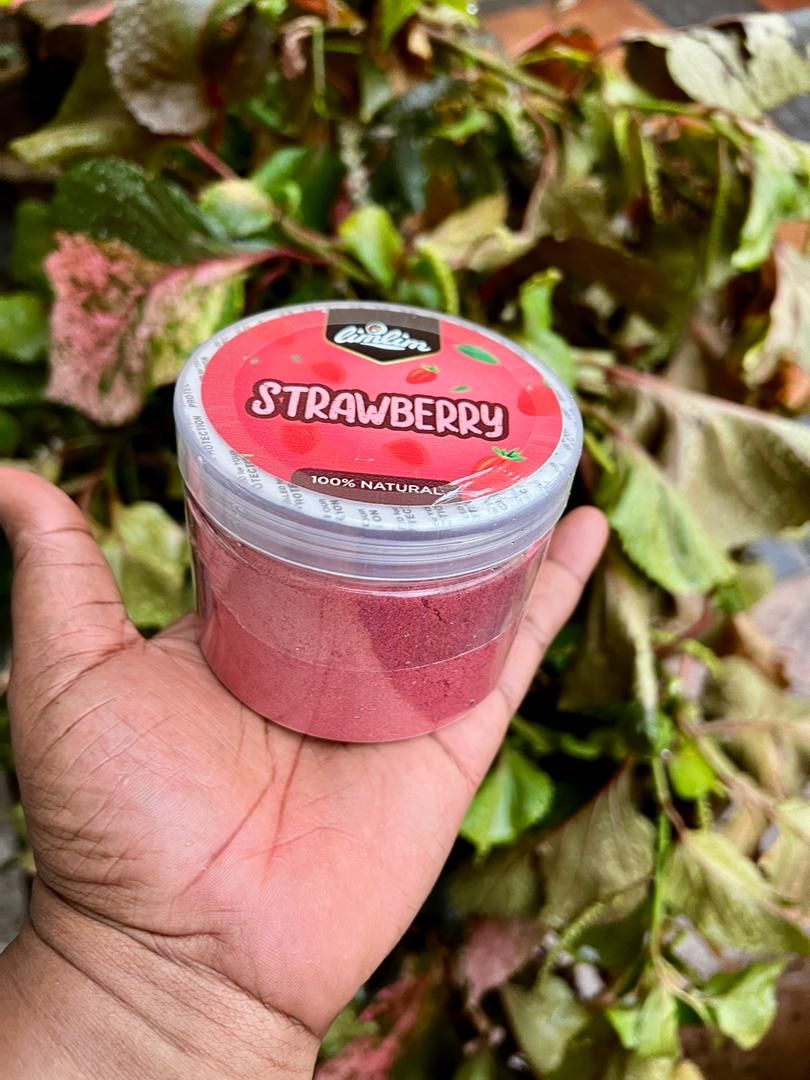
Deola Balogun, Chief Operating Officer of Limlim Foods Production Ltd., recalls paying more to fly strawberries than to buy them from farmers.
“Logistics cost more than the fruit,” she said. “But at least the berries arrived fresh. That was the only reason the industry survived.”
Then, in October 2025, Arik Air stopped flying into Jos. Almost overnight, the runway went quiet. Today, only one airline—ValueJet—operates out of the city, and it does not carry strawberries.
The impact was immediate and devastating.
“Nigeria built the strawberry value chain on a runway,” Balogun said. “The plane left. The harvest stayed behind.”
Roads That Break More Than Produce
On paper, road transport seems like the obvious alternative. In reality, it is a slow-motion disaster.
Strawberries do not tolerate heat, delays, or rough handling. Yet road journeys from Jos to major markets are riddled with all three. To even attempt it, operators must use Styrofoam boxes, pack ice for up to 48 hours, and brace themselves for checkpoint delays, broken roads, and unpredictable travel times.
Balogun describes one such journey: prayers whispered at every stop, anxiety rising with every delay. When the shipment finally arrived, 20–30 percent of the fruit was already lost—sweated, crushed, overheated.
There were no refunds. No insurance payouts. Just silent acceptance and financial loss.
“Road transport isn’t a solution,” she said. “It’s a controlled disaster.”
The Human Cost of Rotten Fruit
Behind every spoiled crate is a human story.
Farmers who invested their savings in seedlings and labor. Workers who depend on harvest wages. Families who planned school fees and medical bills around a season that now threatens to collapse.
As the harvest peaks, some farmers are choosing not to pick at all. Letting fruit rot on the plant, painful as it is, sometimes feels cheaper than harvesting what cannot be sold.
This is what system failure looks like—not in reports or policy briefs, but in quiet fields full of unpicked fruit.
A National Blind Spot Exposed
Plateau State is expected to produce roughly 700 tons of strawberries this season. If current conditions persist, industry estimates suggest up to 50 percent—around 350 tons—could rot before reaching consumers.
By April, Lagos supermarkets may once again stock imported strawberries, purée, and concentrates. Meanwhile, fresh Nigerian berries will have decomposed in Jos.
The irony is painful.
“This isn’t about farmers not knowing how to grow strawberries,” Balogun said. “It’s about building production without securing logistics. Food security is logistics security.”
She argues that Nigeria repeatedly celebrates increased yields while ignoring how food actually moves from farm to market.
“We talk about value addition while value dies at the farm gate—long before processing can even begin.”
More Than Strawberries
Strawberries are not the only crop at risk. They are simply the most honest. With a lifespan of four days, they expose weaknesses that other crops can hide.
This crisis, experts warn, raises a defining question for Nigerian agriculture:
What is the value of production if delivery is impossible?
A Test, Not Just a Tragedy
Despite the grim outlook, Balogun insists this moment can still become a turning point.
“This isn’t just a tragedy waiting to happen,” she said. “It’s a test.”
If the harvest creates beauty on the Plateau but scarcity in Lagos and other cities, the numbers will tell their own story—louder than any press release.
For now, farmers wake each morning to ripe fruit and an impossible choice. Harvest and risk loss, or leave the berries to rot in silence.
Until Nigeria confronts its logistics gap with the same urgency it gives production targets, the cycle will continue.
In Balogun’s words, the country will keep planting pride—and harvesting loss.