

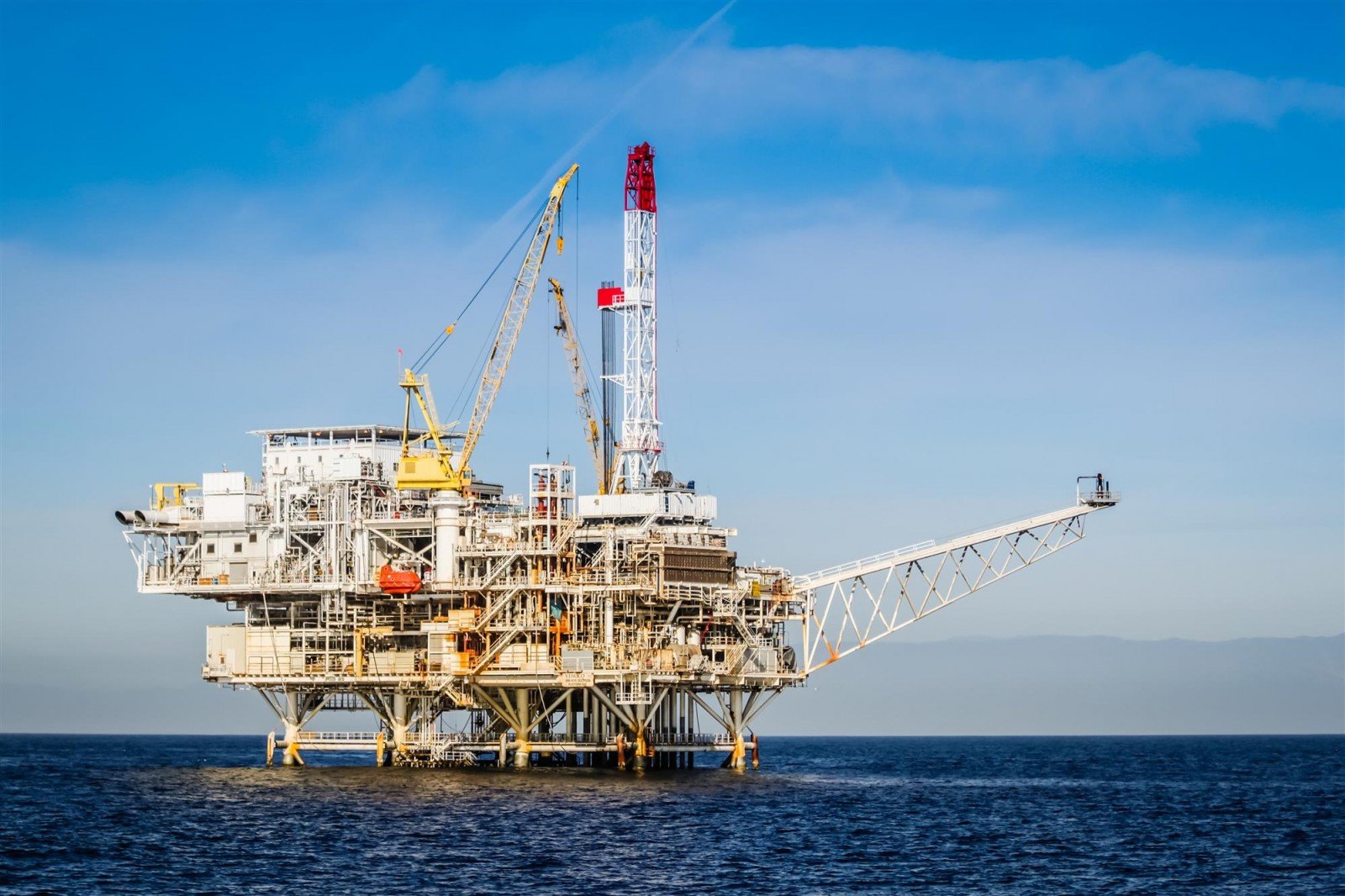
Nigeria could attract between $30 billion and $50 billion in offshore oil investments by 2030, as the country intensifies efforts to revive investment in its upstream petroleum sector.
According to oil and gas analyst Akanimoh Akanimoh, the Nigerian Upstream Petroleum Regulatory Commission (NUPRC) has indicated that about 22 major offshore projects could drive the projected investment between 2026 and 2030.
Akanimoh, a Political Economy, Oil and Gas, Energy and Environmental Policy Analyst, also noted that more than $57 billion worth of Field Development Plans (FDPs) have been approved since 2024, with some projects already reaching Final Investment Decision (FID).
The Federal Government has introduced targeted fiscal incentives aimed at encouraging investment in deepwater oil projects, including the long-delayed Bonga South West development.
Meanwhile, ExxonMobil has committed $1 billion to the Usan Infill Project, which is expected to increase production by about 40,000 barrels per day.
However, Akanimoh cautioned that investment announcements alone would not guarantee a sustainable recovery in Nigeria’s oil production.
He noted that the country’s upstream sector had faced years of declining output, regulatory uncertainties, project delays and capital flight, stressing the need to assess whether current reforms would deliver a lasting revival of the industry.
Beyond crude oil production, he argued that the emerging offshore investments could provide opportunities for Nigeria to strengthen local manufacturing, expand engineering capacity, create jobs, promote technology transfer and increase indigenous participation across the offshore value chain.
According to him, Nigeria may indeed be positioning itself for an oil comeback, but the more important question is whether the country and its citizens will capture sufficient value from the investments and convert them into sustainable wealth and broader economic development.
The analyst urged stakeholders to focus not only on increasing crude production but also on ensuring that the anticipated investments translate into stronger local capacity and long-term benefits for the Nigerian economy.