


Abuja, Nigeria – Health experts, policymakers, development partners and private sector leaders have called for stronger and more predictable financing to address Nigeria’s high maternal mortality rate, stressing that improved investment is critical to saving the lives of thousands of women across the country.
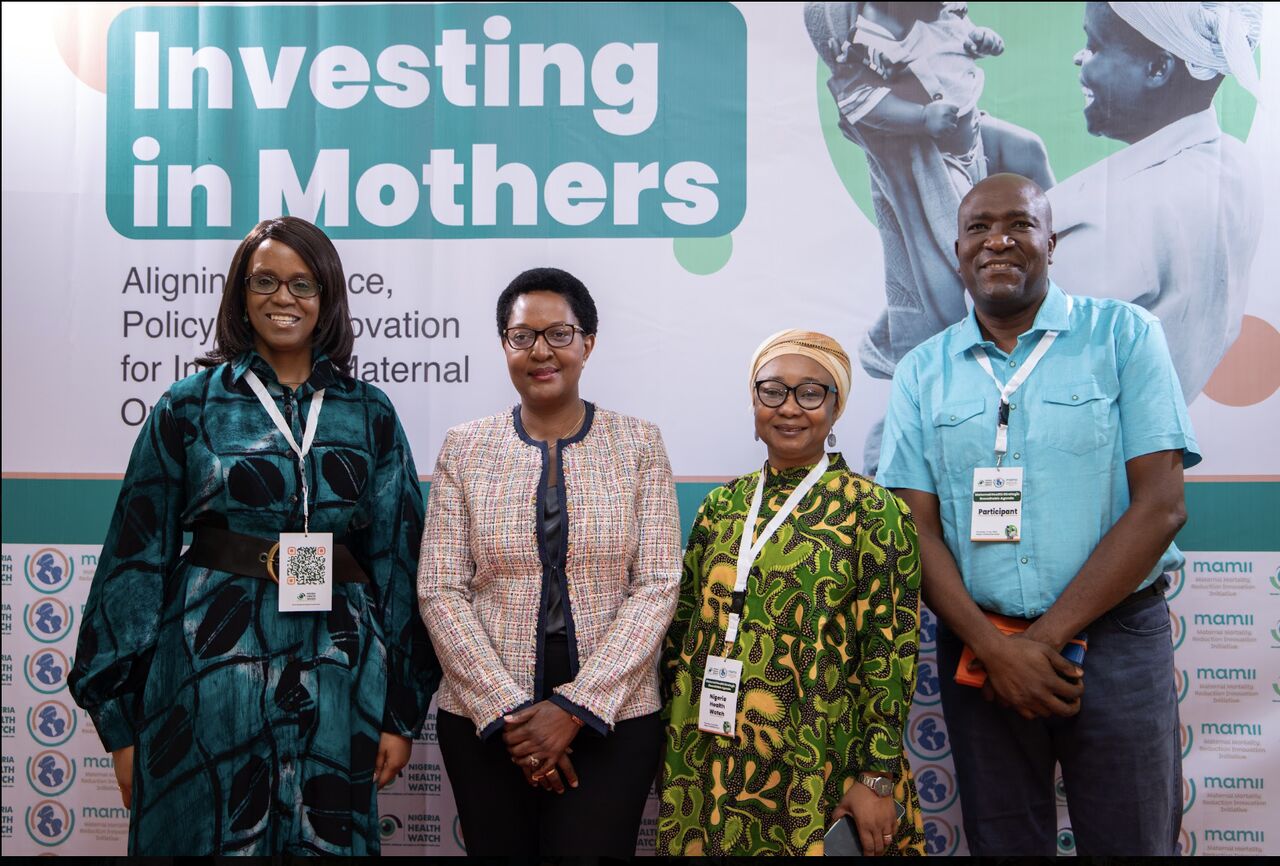
The call was made at the Maternal Health Strategic Roundtable, convened by Nigeria Health Watch in partnership with the Maternal and Neonatal Mortality Reduction Innovation and Initiatives (MAMII) under the theme, “Investing in Mothers: Aligning Finance, Policy and Innovation for Improved Maternal Outcomes.”
Speaking after the roundtable, the Managing Director of Nigeria Health Watch, Vivianne Ihekweazu, described Nigeria’s maternal mortality statistics as a national emergency, noting that the country loses a mother approximately every seven minutes, with the majority of the deaths being preventable.
She said the alarming figure underscores the urgent need for coordinated action and sustained investment in maternal healthcare.
According to Ihekweazu, while Nigeria currently has a unique opportunity to strengthen maternal health outcomes through the National Health Sector Renewal Investment Initiative’s Sector-Wide Approach (SWAp), the success of ongoing reforms will depend largely on consistent and predictable financing.
She explained that the roundtable brought together representatives from the health sector, finance institutions, the legislature, development partners, the private sector and civil society to identify existing financing gaps and develop practical strategies for closing them.
“Our objective was not only to build a shared understanding of where the financing gaps exist but also to secure measurable commitments that can be tracked over time. Political commitment and innovative interventions are important, but without sustainable financing, progress will remain limited,” she said.
Participants also stressed the importance of stronger collaboration between government institutions, particularly the Federal Ministries of Health and Finance, to ensure that policy commitments are translated into actual budgetary allocations and timely funding for maternal health programmes.
The stakeholders noted that improving maternal healthcare financing would strengthen access to quality antenatal services, skilled birth attendance, emergency obstetric care and postnatal support, ultimately contributing to lower maternal and neonatal mortality rates across Nigeria.
The strategic dialogue was attended by representatives from the SWAp Coordination Office, the United Nations Population Fund (UNFPA), Organon, the Gates Foundation Africa, MSD for Mothers, the Federal Ministry of Health and Social Welfare, Pathfinder International, the National Primary Health Care Development Agency (NPHCDA), and the Federal Ministry of Finance, among other key stakeholders.
The roundtable concluded with renewed commitments to strengthen collaboration, improve financing mechanisms and accelerate investments that will ensure safer pregnancies and childbirth for women across Nigeria.