



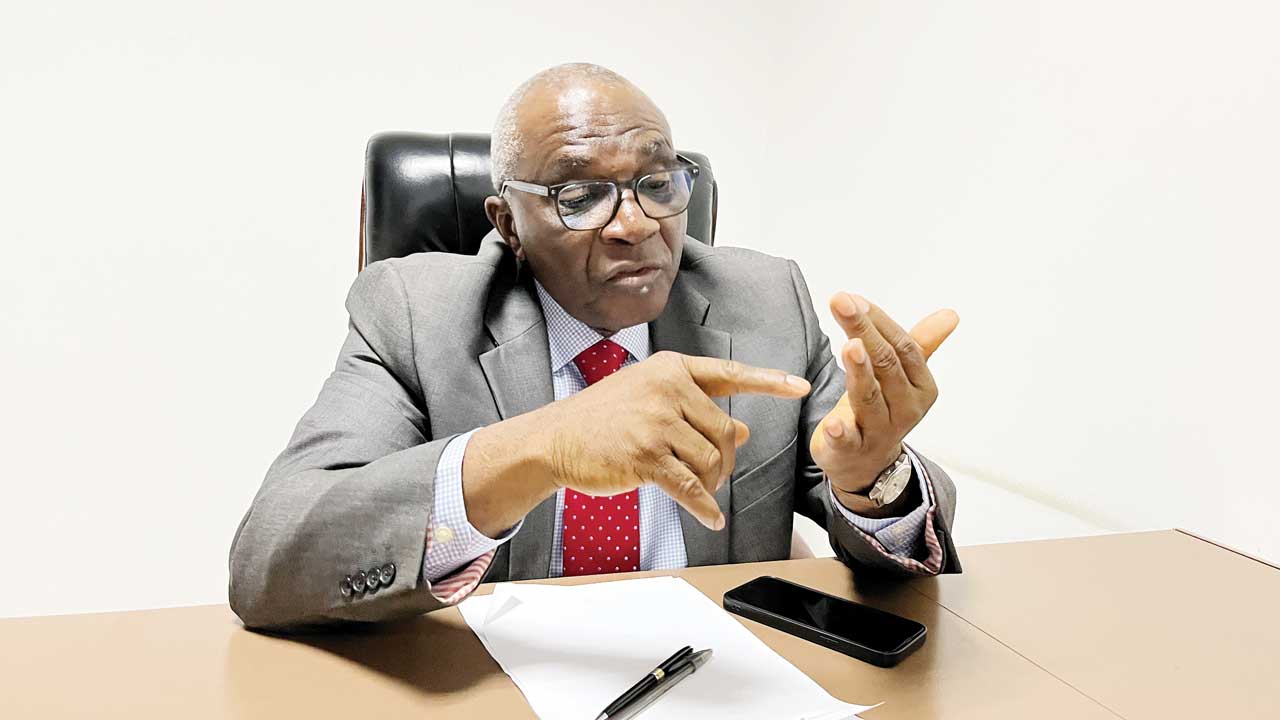
The role of government officials in the digital age comes with enormous influence and responsibility. In a time where a single social media post can shape public opinion within minutes, the consequences of spreading unverified information have become more serious than ever. Recent events involving presidential aide Bayo Onanuga have once again brought this issue into national focus, raising important questions about accountability, misinformation, and the conduct expected from those in power.
The controversy began after Bayo Onanuga publicly called for the prosecution of social commentator Martins Otse, popularly known as VeryDarkMan (VDM), over the circulation of an alleged fake audio involving President Bola Ahmed Tinubu. The accusation quickly gained traction online, with many supporters of the government condemning VDM based on the claims made by the presidential spokesman.
However, the narrative took a different turn when Premium Times reportedly confirmed that the manipulated clip in question was not connected to VDM. The revelation immediately triggered criticism from members of the public who argued that the accusation had been made prematurely and without proper verification.
For many observers, the incident goes beyond a simple social media disagreement. It highlights a deeper and more dangerous pattern in modern governance: the growing tendency of public officials to rush into public defense of political leaders without first establishing the facts.
Political analysts say this kind of behavior is particularly risky because government officials are not ordinary social media users. Their words carry institutional authority. When a senior government figure publicly accuses a citizen of wrongdoing, many people automatically assume the claim has already been verified by security agencies or backed by credible evidence.
This is why critics insist that public office holders must exercise restraint, professionalism, and diligence before making statements capable of damaging reputations or influencing public sentiment.
The situation has also reopened discussions about double standards in the fight against misinformation. In recent years, Nigerian authorities have repeatedly warned citizens against spreading fake news, manipulated videos, and false information online. Several individuals have faced arrests, investigations, or public condemnation over digital misinformation.
Now, many Nigerians are asking an uncomfortable but important question: should government officials be held to the same standard they demand from ordinary citizens?
Critics argue that accountability cannot be selective. If citizens can face consequences for circulating false information, then public officials who amplify unverified claims should also be subjected to scrutiny when their statements turn out to be inaccurate.
According to media experts, one of the greatest dangers of premature accusations is that corrections rarely spread as fast as the original claims. By the time facts emerge, public perception may already have been permanently shaped. Reputational damage, online harassment, and political polarization often continue long after the truth is clarified.
The incident also reflects the increasing pressure within political circles to demonstrate loyalty to powerful leaders, sometimes through aggressive public reactions. Analysts warn that this culture of “defend first, verify later” can damage democratic institutions and erode public trust in government communication.
In functioning democracies, officials are expected to communicate responsibly, especially on sensitive matters involving criminal allegations or national security concerns. Accuracy, not speed, should be the priority.
The Bayo Onanuga controversy therefore serves as more than just another viral political debate. It stands as a cautionary example of why those in authority must avoid using social media as a tool for impulsive accusations or political point-scoring.
As conversations continue online, many Nigerians say the lesson is simple: public office comes with the responsibility to verify facts before speaking, because influence without caution can easily become misinformation with consequences.
And as the popular Nigerian saying goes, “no be who first call police dey win case.” In the end, facts — not haste — should determine justice.