


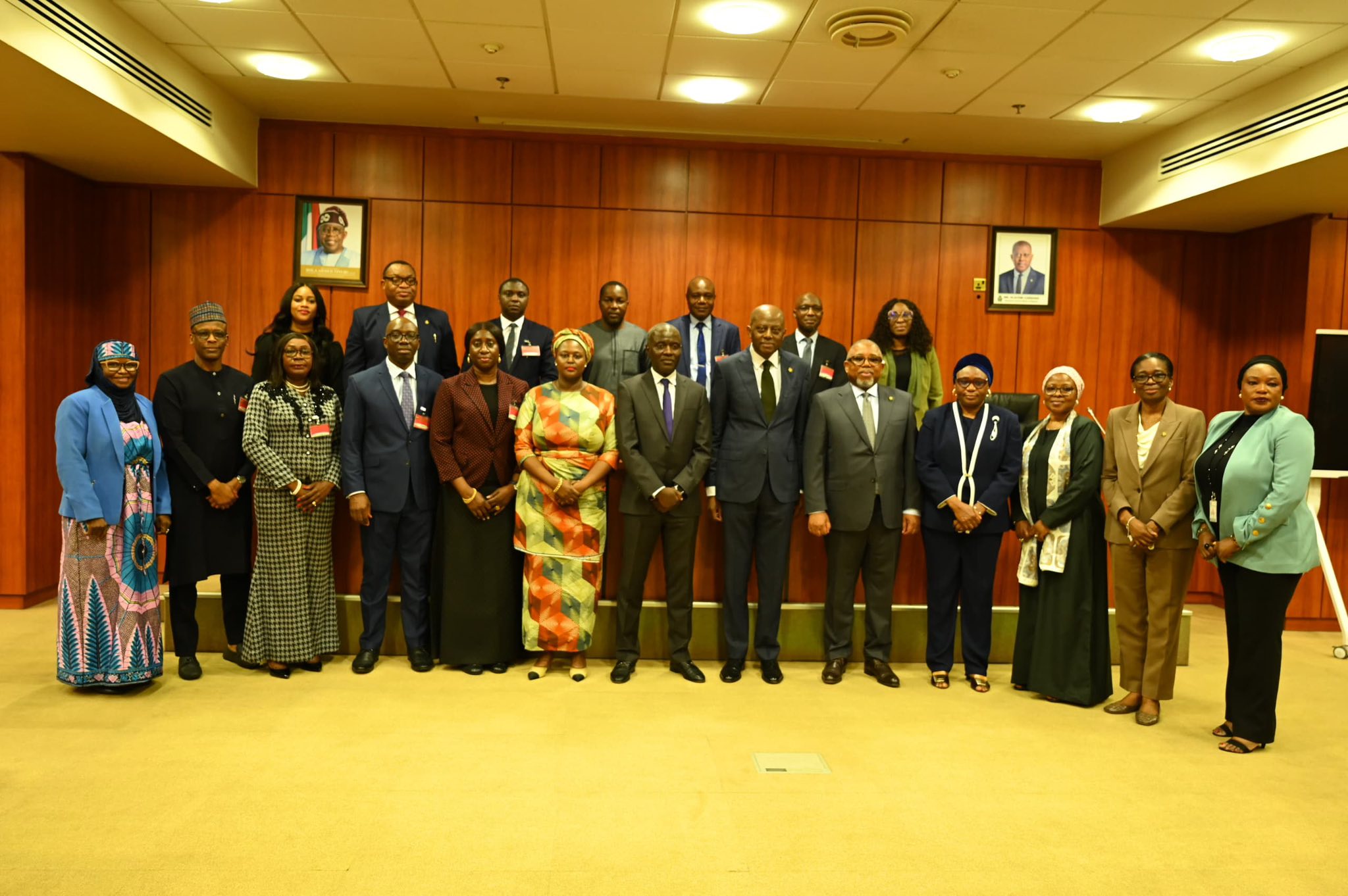






In a major move aimed at tackling rising cases of digital fraud and strengthening consumer confidence in Nigeria’s rapidly expanding digital economy, the Nigerian Communications Commission (NCC) and the Central Bank of Nigeria (CBN) have signed a Memorandum of Understanding (MoU) to deepen collaboration on consumer protection across the telecommunications and financial sectors.
The agreement, signed on April 20, 2026, at the headquarters of the Central Bank of Nigeria in Abuja, is expected to enhance coordinated efforts between both regulatory institutions in addressing fraud-related threats affecting millions of Nigerians who rely daily on mobile communications, digital banking platforms, online transactions, and other technology-driven services.
The signing ceremony was attended by the Executive Vice Chairman and Chief Executive Officer of the Nigerian Communications Commission, Dr. Aminu Maida, alongside the Governor of the Central Bank of Nigeria, Mr. Olayemi Cardoso. Senior management teams from both institutions were also present at the event, underscoring the growing importance of inter-agency cooperation in safeguarding Nigeria’s digital ecosystem.
Under the agreement, both agencies will strengthen information sharing, improve consumer protection frameworks, and develop coordinated mechanisms for responding to fraud and emerging risks within the telecom and financial sectors.
The partnership comes at a time when Nigeria is experiencing significant growth in digital transactions, mobile banking, fintech adoption, and internet-based communication services. While these advancements have improved financial inclusion and access to services for millions of citizens, they have also created new opportunities for cybercriminals, fraud syndicates, identity thieves, and digital scammers targeting unsuspecting users.
Industry experts believe the collaboration between the NCC and CBN could become a major step toward building a safer and more trusted digital environment for consumers, businesses, and investors.
Across Nigeria, cases involving SIM swap fraud, phishing attacks, unauthorized banking transactions, fake digital platforms, identity theft, and mobile-enabled financial scams have continued to raise concerns among consumers, regulators, and financial institutions.
For many Nigerians, especially small business owners, traders, students, and low-income earners who depend heavily on mobile phones and digital financial services, falling victim to fraud can result in devastating financial and emotional consequences.
Analysts say stronger cooperation between the telecommunications and banking regulators could help improve fraud detection systems, speed up investigations, strengthen enforcement measures, and reduce loopholes often exploited by criminal networks operating between telecom and financial systems.
The MoU is also expected to support broader national efforts aimed at strengthening cybersecurity, promoting digital trust, and encouraging greater confidence in Nigeria’s growing cashless economy.
Observers note that as digital technology becomes increasingly central to everyday life, collaboration between institutions responsible for communications infrastructure and financial systems is becoming more critical than ever.
The agreement further reflects growing recognition that consumer protection in the digital age can no longer be handled in isolation, particularly as telecommunications networks and financial services continue to overlap through mobile banking, fintech applications, digital wallets, and online payment platforms.
Stakeholders believe the partnership could ultimately contribute to safer digital transactions, improved public confidence in electronic payment systems, and stronger protection for vulnerable consumers who are often the primary targets of fraud-related activities.
Experts also say the success of the collaboration will depend on sustained coordination, effective implementation, public awareness campaigns, and the deployment of stronger technology-driven safeguards capable of responding to evolving digital threats.
As Nigeria continues its transition toward a more digitally connected economy, the NCC-CBN partnership is being viewed as a strategic step toward ensuring that innovation and technological advancement are matched with stronger consumer protection and institutional accountability.