

Nairobi, Kenya — Africa’s creative industries are increasingly being recognised as a major driver of economic growth, innovation and global influence, according to discussions held at the recent Africa Soft Power Summit in Nairobi.
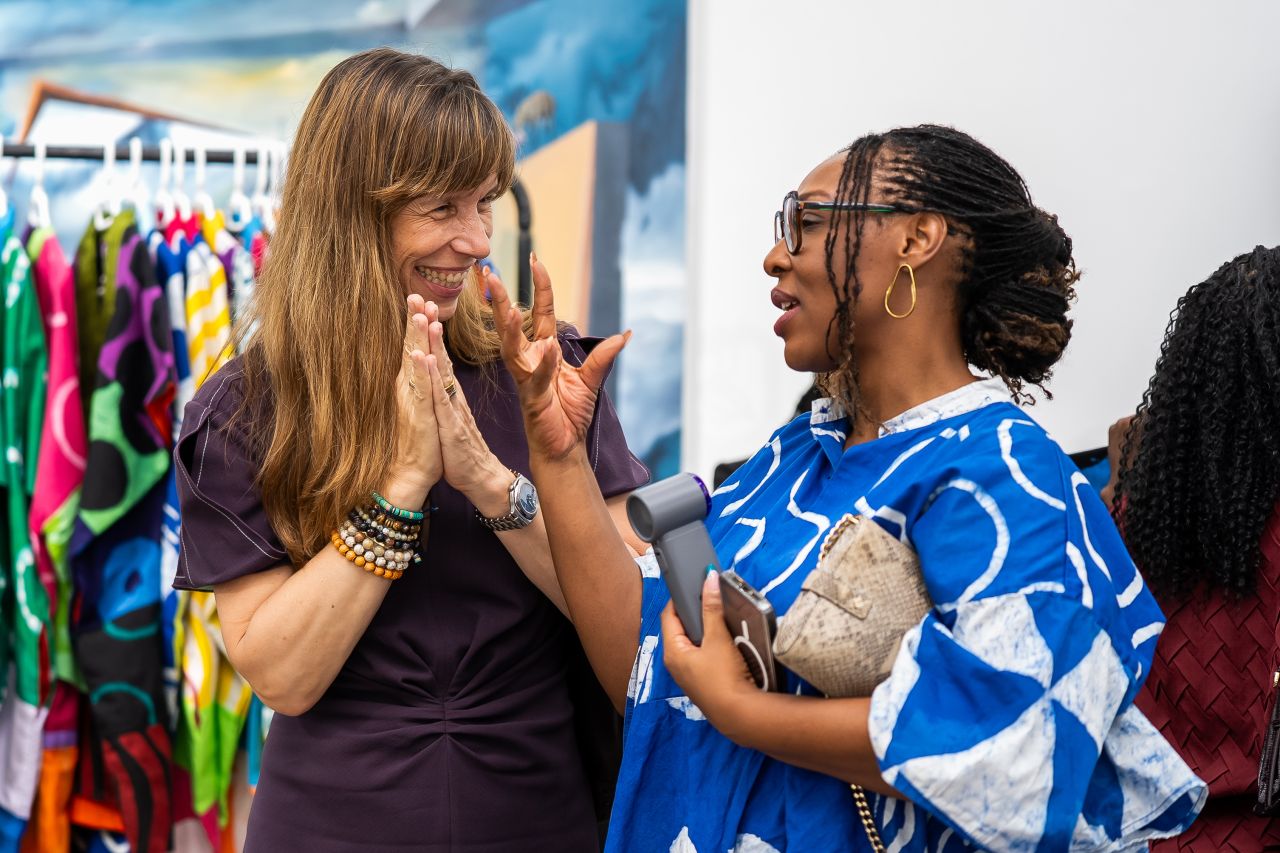
Speaking at the event, Heike Harmgart, Managing Director for Sub-Saharan Africa at the European Bank for Reconstruction and Development (EBRD), highlighted the growing importance of sectors such as film, music, fashion and digital innovation in shaping Africa’s future economy.
The summit brought together investors, policymakers, entrepreneurs and cultural leaders from across Africa and the diaspora to explore how finance, creativity, technology and human capital can work together to accelerate long-term development.
A central theme of the discussions was ownership — particularly the ownership of stories, intellectual property, digital platforms and the economic value generated from African creativity.
Among the featured speakers was Nigerian music entrepreneur D’banj, who spoke about the need to build and retain African creative intellectual property. Filmmaker Bolanle Austen-Peters also addressed the increasing global demand for African storytelling, while fashion entrepreneur Rukky Ladoja of Dye Lab showcased the role of fashion, design and cultural entrepreneurship in expanding Africa’s creative influence.
Participants at the summit noted that Africa’s creative economy is becoming increasingly attractive to investors, with growing recognition that cultural industries can contribute significantly to employment, digital innovation and international competitiveness.
This year’s Africa Soft Power Summit focused heavily on the intersection of artificial intelligence, digital infrastructure and creative industries, reflecting broader conversations about the future of Africa’s digital economy.
Observers at the event said the continent’s economic future will not only depend on traditional infrastructure and natural resources, but also on the strength of its cultural and creative capital.
“The future of Africa’s economy will also be shaped by those who tell its stories,” Harmgart noted during the discussions.