


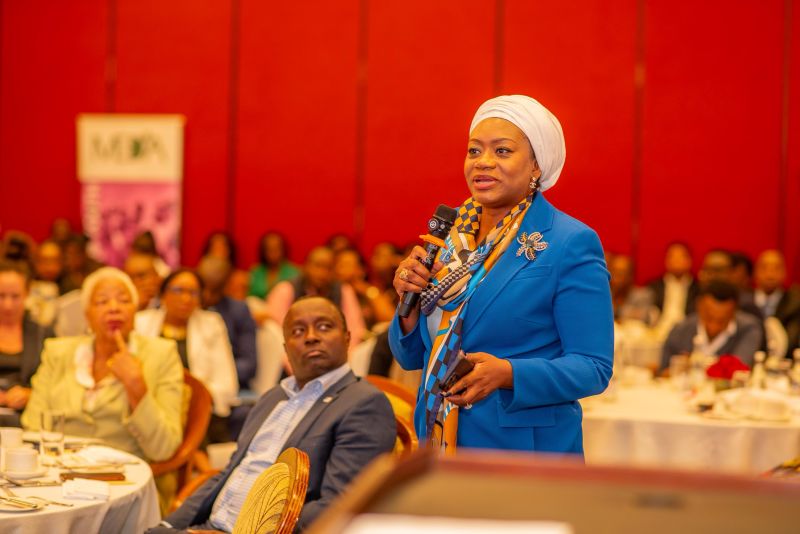






Leading voices in finance, governance and women’s economic empowerment have stressed that Africa’s long-term economic transformation will depend on whether women are trusted to shape policies, institutions and financial systems, rather than merely being included within existing structures.
This position was highlighted by Aishah N. Ahmad following a series of high-level engagements in Nairobi, Kenya, held under the ecosystem of the Graça Machel Trust. The meetings were presided over by Graça Machel and brought together stakeholders focused on women’s leadership, entrepreneurship, finance, adolescent development and institutional reform.
According to Ahmad, who participated in her capacity as Chair of the Expert Leaders Group (ELG), discussions across the engagements consistently pointed to one central issue: Africa’s economic future is closely tied to women’s ability to influence decision-making structures and drive systemic change.
The meetings examined challenges surrounding access to finance for women entrepreneurs, with attention given to innovative approaches to gender-lens investing. One example discussed was alternative credit-risk assessment models that evaluate factors such as business equipment, future revenues and cash flow, instead of relying solely on land ownership — a requirement that often disadvantages women entrepreneurs.
Stakeholders noted that such interventions could play a significant role in addressing Africa’s estimated $42 billion gender financing gap, arguing that investments targeted at women-led enterprises should be viewed as economic strategy rather than philanthropy.
The sessions also focused on adolescent development and leadership formation, emphasizing the importance of empowering young girls with confidence, identity and decision-making abilities early in life. Participants argued that sustainable female leadership begins with creating opportunities for girls to define ambitions and participate in shaping their futures.
At the Women Creating Wealth Programme, discussions centred on women entrepreneurs across Africa who continue to expand businesses, create jobs and enter new markets despite regulatory, financial and structural barriers. Calls were made for policymakers and financial institutions to better understand the practical realities affecting women-owned enterprises, including access to credit and burdensome regulatory requirements.
Financial inclusion was another major theme during the New Faces New Voices engagement, which convened institutions working to improve access to financial services in Kenya. Participants underscored the need for stronger coordination between continental policy frameworks and country-level implementation to achieve meaningful economic outcomes.
Ahmad also highlighted ongoing collaboration among institutions, innovators and policymakers working toward what she described as “Women Shaping Africa’s Economic Reset,” a framework aimed at increasing women’s influence in economic governance and development across the continent.
Observers say the conversations reflect growing recognition that accelerating Africa’s development agenda will require stronger support for women’s entrepreneurship, financial inclusion and leadership at institutional levels.