








The Nigerian Communications Commission has assured Nigerians that ongoing efforts by stakeholders in the telecommunications sector to address persistent Quality of Service (QoS) challenges are yielding results, even as the Commission intensifies regulatory oversight and enforcement across the industry.
In a statement addressing growing public concerns over dropped calls, slow internet speeds, unstable data connections, and service disruptions experienced in parts of the country, the Commission acknowledged the frustration of telecom consumers and reaffirmed its commitment to ensuring reliable and affordable telecommunications services nationwide.
According to the NCC, telecommunications services have become central to economic activity, education, healthcare access, business operations, and social connectivity, making service reliability a critical national priority.
The Commission disclosed that improving Quality of Service has remained one of its core regulatory focus areas over the past two years. To achieve this, it said it has intensified monitoring of Mobile Network Operators, Internet Service Providers, and Tower Companies while strengthening data-driven regulatory oversight and collaboration with public institutions to tackle structural challenges affecting service delivery.
The NCC revealed that the telecommunications industry is currently experiencing one of its largest network expansion and modernization drives in recent years, following what it described as a prolonged period of under-investment in infrastructure.
According to the Commission, Mobile Network Operators invested more than N2.13 trillion in network infrastructure and upgrades in 2025 alone, while Tower Companies committed an additional N373.8 billion to support sector-wide improvements. These investments facilitated the deployment and upgrade of more than 2,800 telecommunications sites across the country.
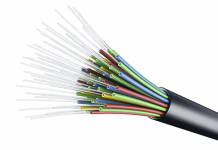
The Commission explained that the interventions include the expansion of 4G and 5G coverage, deployment of fibre backhaul infrastructure, upgrades of existing network equipment, and targeted expansion into underserved and high-demand urban communities.
It stressed, however, that while the scale of investment is commendable, consumers must ultimately experience visible improvements in service quality.
The NCC further disclosed that the expansion momentum has continued into 2026, with operators committing to the addition and upgrade of over 12,000 telecom sites within the year. It noted that close to 3,000 sites have already been completed, while more than 730 new 5G sites have been deployed across 27 states.
The Commission also highlighted efforts to improve network efficiency through spectrum management reforms. It stated that under its Spectrum Trading Guidelines, idle and underutilised radio spectrum has been reallocated among major Mobile Network Operators, while spectrum blocks have been reorganized to improve operational efficiency and service performance.
According to the NCC, recent Quality of Service and Quality of Experience assessments indicate gradual improvements in network performance across several parts of Nigeria. The Commission reported that as more subscribers migrate to 4G networks, national 4G penetration has increased from 45 percent in January 2024 to 54 percent currently.
It added that average national median download speeds have improved from 16.5Mbps to 20Mbps within the same period, while power availability at telecom tower sites has risen from a national average of 99.3 percent in January 2025 to 99.7 percent.
Despite these gains, the Commission admitted that consumers in several locations still experience congestion, poor call quality, unstable connectivity, and slow internet speeds, stressing that operators must accelerate the pace and consistency of service improvements.
As part of broader efforts to deepen internet penetration, the NCC said it is currently conducting a market study aimed at creating a wholesale broadband market segment that would empower smaller Internet Service Providers to expand affordable internet access to homes, schools, businesses, and public institutions.
The initiative, according to the Commission, aligns with ongoing federal government digital infrastructure programmes, including Project BRIDGE.
The Commission also identified external threats affecting telecom service quality, including fibre cuts, vandalism, theft of telecom equipment, power disruptions, and restricted access to network sites for maintenance.
It revealed that more than 27,000 avoidable fibre-cut incidents were recorded nationwide in 2025, largely due to road construction activities and vandalism. The NCC said it is collaborating with the Office of the National Security Adviser and other relevant stakeholders to implement the Presidential Order on Critical National Information Infrastructure in a bid to safeguard telecom assets.
According to the Commission, ongoing engagements with Federal and State Ministries of Works are also helping to establish governance mechanisms aimed at reducing fibre cuts caused by construction projects.
To improve transparency and consumer protection, the NCC said operators are now required to notify subscribers promptly whenever major outages occur and restore services within specified timelines. Major service disruptions are also being documented on the Commission’s outage reporting portal for public access.
The Commission further noted that enforcement actions under the updated Quality of Service Regulations 2024 commenced in November 2025 after operators were granted a transition period to procure and install necessary infrastructure upgrades.
The enforcement measures include consumer compensation for poor service quality and additional investment obligations for Tower Companies where operational deficiencies are identified.
The NCC warned that regulatory sanctions would continue against operators that fail to deliver measurable improvements in network performance and service reliability.
While commending the support of the Federal Ministry of Communications, Innovation and Digital Economy, the National Assembly, the Office of the National Security Adviser, and other stakeholders, the Commission stressed that resolving Quality of Service challenges requires collective action from governments, host communities, industry players, and the general public.
The Commission reiterated its commitment to ensuring that Nigerians enjoy reliable, affordable, and high-quality telecommunications services, emphasizing that the industry must now translate ongoing investments into tangible improvements for consumers and the broader economy.