

WASHINGTON, D.C. — In an era defined by intensifying global volatility, world leaders and climate finance experts are shifting the narrative on environmental funding, reframing “resilience” not merely as a conservation effort, but as the fundamental bedrock of national economic security.
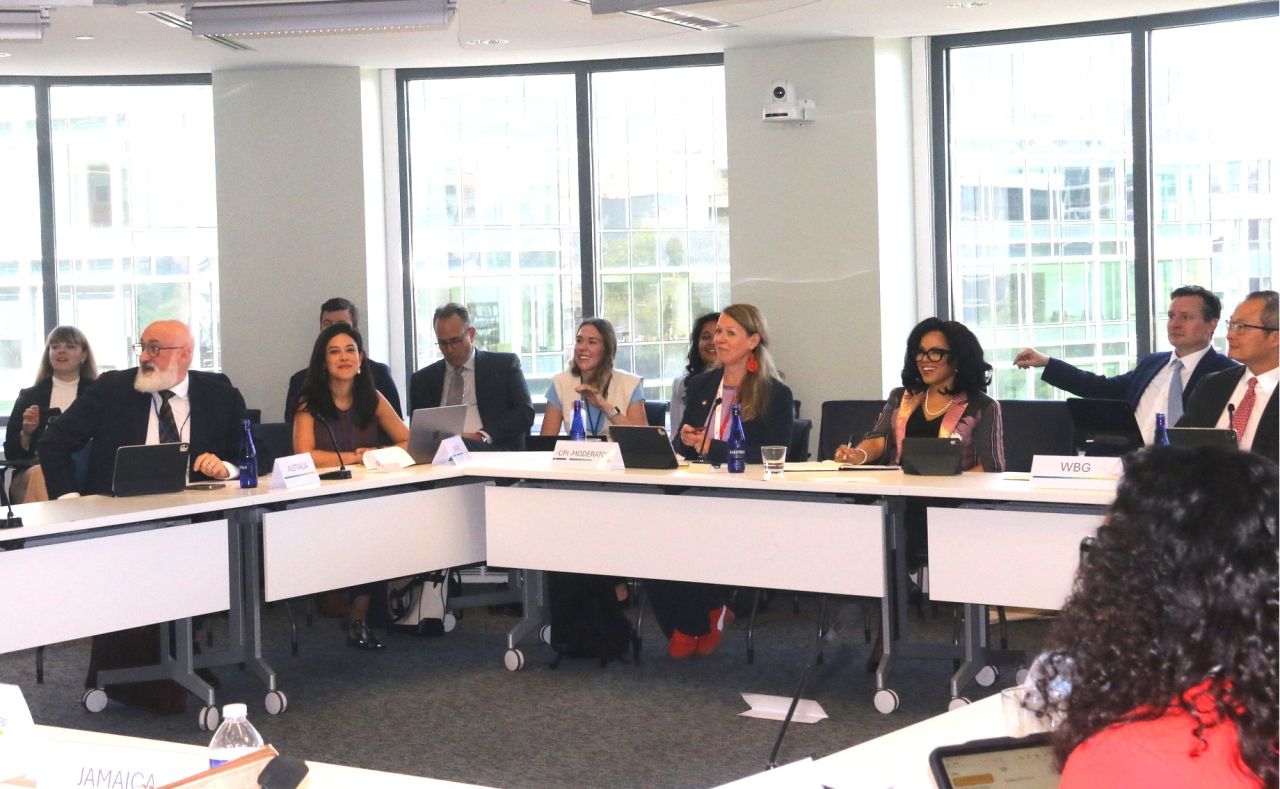
The call to action was spearheaded by Tariye Gbadegesin, CEO of the Climate Investment Funds (CIF), during a high-level session at the World Bank-IMF Spring Meetings. The discussion, centered on the strategic importance of the Clean Technology Fund and the Strategic Climate Fund, highlighted a growing consensus: investing in climate adaptation is now a mandatory strategy for economic survival.
Beyond the Environment: A Multi-Dimensional Imperative
Gbadegesin opened the dialogue by addressing the current state of global affairs, noting that investment in resilience is most critical during “unstable times.” The panel challenged the traditional view of climate spending as a sunk cost, instead presenting it as a driver of long-term prosperity.
“Resilience investments are no longer solely an environmental imperative,” Gbadegesin stated. “They help countries—and economies—to weather multi-dimensional shocks, drive jobs, and deliver long-term, measurable returns.”
Perspectives from the Frontlines
The session featured powerful testimonials from nations currently navigating the direct impacts of climate instability. Minister Fayval Williams of Jamaica and former President of the Maldives Mohamed Nasheed provided firsthand accounts of how resilience has become the central pillar of their respective national planning.
For these island nations and emerging economies, the message was clear: resilience is inextricably linked to:
- Economic Security: Protecting infrastructure and supply chains from climate-induced disruptions.
- Social Cohesion: Ensuring communities remain stable and viable in the face of environmental shifts.
- Long-Term Development: Creating a sustainable foundation for future growth that is not easily undone by a single disaster.
A Unified Global Front
The discussion was amplified by key institutional voices, including World Bank Vice President for Planet Guangzhe Chen and COP31 Champion Samed Agirbas. The presence of high-level representatives from a diverse range of nations—including Brazil, Canada, Australia, the Netherlands, and New Zealand—underscored the global nature of this economic shift.
Moderated by Barbara Buchner, the panel also drew on technical and regional expertise from the African Development Bank’s Kevin Kariuki and representatives from various international development agencies.
The Path Forward
As the Spring Meetings continue, the consensus from the CIF discussion suggests a pivot in how the international community approaches development finance. The takeaway for policymakers and investors is clear: in an unstable world, the most “defensive” investment an economy can make is a proactive investment in climate resilience.
By integrating resilience into every dimension of national planning, leaders hope to transform a period of global uncertainty into an opportunity for sustainable, job-creating growth.