








By Anthony Nwosu
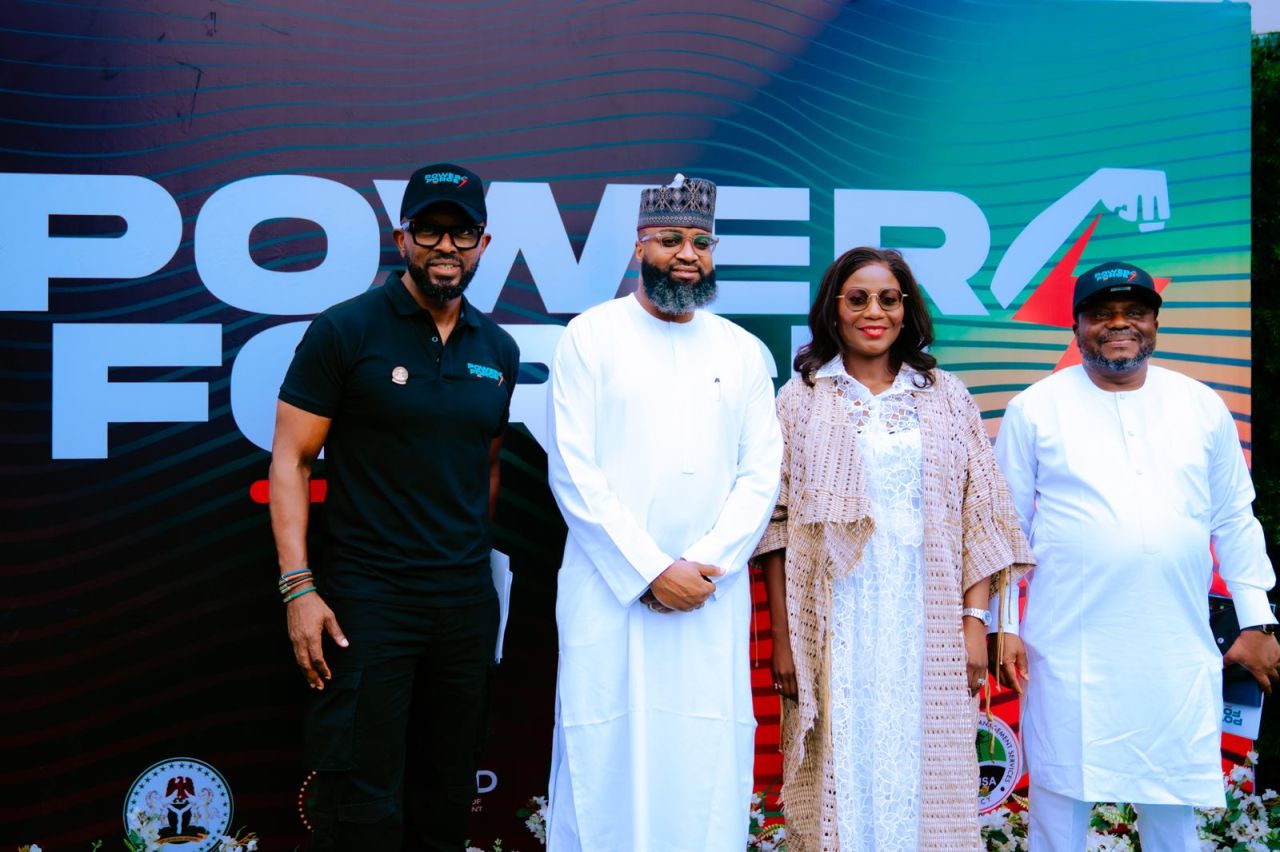
In a landmark effort to address Nigeria’s electricity metering deficit while creating sustainable employment opportunities for young Nigerians, the Federal Government has officially launched Power Force, a nationwide skills development initiative that will train and certify 5,000 youths as smart meter installers.
The programme, introduced under the Presidential Metering Initiative (PMI), is designed to equip participants with practical technical skills, industry-recognised certification and entrepreneurial knowledge that will enable them to secure employment, establish businesses and contribute to the transformation of Nigeria’s electricity industry.
Speaking at the launch, the Special Adviser to the President on Energy, Olu Verheijen, described the initiative as a demonstration of President Bola Ahmed Tinubu’s commitment to solving one of the country’s biggest electricity challenges while investing in the future of Nigerian youths.
According to Verheijen, the initiative is aimed not only at accelerating the deployment of smart electricity meters across the country but also at developing a new generation of skilled professionals who will support Nigeria’s long-term industrial and economic growth.
“Power Force is more than a smart metering programme. It is an investment in people, in skills and in the future of our country. By empowering young Nigerians with practical training and recognised certification, we are creating pathways to meaningful employment, entrepreneurship and national development,” she said.
The launch attracted senior government officials and key stakeholders from across Nigeria’s power sector, including the Chairman of the Nigeria Governors’ Forum and Governor of Kwara State, AbdulRahman AbdulRazaq, who also chairs the Presidential Metering Initiative Board. He was represented by Edmond Obiora Nnaji, Executive Director (Finance and Administration) of the Nigeria Governors’ Forum Secretariat.
Other dignitaries included the Minister of Power, Joseph Tegbe; the Minister of Youth Development, Ayodele Olawande; the Director-General of the Bureau of Public Enterprises (BPE), Ayo Gbeleyi; the Executive Vice Chairman and Chief Executive Officer of the National Agency for Science and Engineering Infrastructure (NASENI), Khalil Halilu; the Director-General of the National Power Training Institute of Nigeria (NAPTIN); the Managing Director and Chief Executive Officer of the Nigerian Electricity Management Services Agency (NEMSA); and representatives of other institutions driving reforms in Nigeria’s electricity value chain.
Addressing Two National Challenges
Nigeria has for years grappled with a significant metering gap, leaving millions of electricity consumers without prepaid meters and exposing them to estimated billing, frequent disputes and low consumer confidence.
At the same time, youth unemployment remains one of the country’s most pressing socio-economic challenges.
Power Force seeks to tackle both issues simultaneously by training 5,000 young Nigerians to install, maintain and support smart metering infrastructure nationwide. Participants will receive hands-on technical training, professional certification and opportunities to build careers within electricity distribution companies, metering service providers and related industries.
Transforming Lives Through Skills
Beyond technical training, the initiative is expected to become a powerful vehicle for economic empowerment.
Many beneficiaries are expected to establish their own installation and maintenance businesses, creating additional jobs and supporting local economies. The programme is also expected to encourage innovation and strengthen local participation in Nigeria’s growing electricity technology ecosystem.
Experts believe the initiative will reduce youth unemployment, increase household incomes and provide young people with practical alternatives to poverty and social exclusion.
By equipping thousands of youths with employable skills, the programme is expected to improve livelihoods while contributing to national productivity and economic resilience.
Strengthening Nigeria’s Power Sector
Industry stakeholders say increasing the number of certified smart meter installers will significantly accelerate meter deployment across the country, improve billing accuracy and reduce reliance on estimated billing.
A wider rollout of smart meters is expected to enhance transparency between electricity distribution companies and consumers, reduce energy theft, improve revenue collection and strengthen customer confidence in the electricity market.
The initiative also supports the Federal Government’s ongoing reforms aimed at modernising Nigeria’s electricity infrastructure and improving service delivery across the power value chain.
Investing in Human Capital
Verheijen stressed that sustainable development depends not only on infrastructure but also on investing in people.
She noted that empowering young Nigerians with technical knowledge and recognised certification creates opportunities that extend far beyond the energy sector.
“When 5,000 young Nigerians gain skills, certification and a pathway to employment, we do more than close a metering gap—we open doors to opportunity, strengthen families, empower communities and help power the future of our nation,” she said.
A Catalyst for National Development
Development experts have welcomed the Power Force initiative as a strategic investment in Nigeria’s future, noting that countries that prioritise technical education and workforce development are better positioned to drive industrialisation, attract investment and compete in the global economy.
By combining youth empowerment with electricity sector reform, the programme has the potential to deliver lasting social and economic benefits, from reducing unemployment and promoting entrepreneurship to improving electricity access and supporting sustainable economic growth.
As implementation begins, stakeholders believe the initiative will not only help close Nigeria’s metering gap but also create a new generatio