


The Nigerian Communications Commission (NCC) has used the ongoing African Telecommunications Union (ATU) Plenipot 2026 as an opportunity to share Nigeria’s experience in evidence-based telecommunications regulation while engaging with regulators, policymakers and key players shaping Africa’s rapidly evolving digital ecosystem.
The gathering, which has brought together stakeholders from across the continent, has provided a platform for meaningful conversations around the future of telecommunications, digital transformation, regulatory innovation and the urgent need to ensure that Africans are not only connected but can derive real value from the digital economy.
One of the key highlights of the event was the presentation of the NCC’s evidence-based approach to regulation to communications regulators from across Africa.
The engagement offered an opportunity for the Commission to demonstrate how data, market intelligence and evidence can support more effective regulatory decisions in an industry that is constantly changing.
For the NCC, effective regulation is not simply about setting rules. It is about understanding the realities of the market, listening to stakeholders, responding to emerging technologies and creating an environment where innovation and investment can thrive while protecting the interests of consumers.
The Commission’s participation at the ATU Plenipot therefore reinforces Nigeria’s growing role in continental conversations on how Africa can build stronger, more responsive and future-ready telecommunications regulatory frameworks.
Beyond the regulatory discussions, the event has also provided an important opportunity for professionals and stakeholders within Africa’s digital ecosystem to reconnect, exchange ideas and share experiences from different markets.
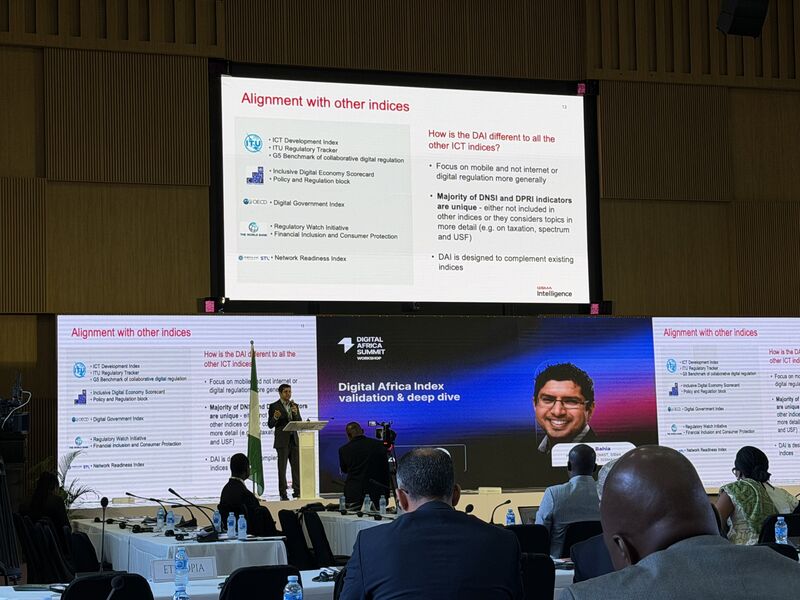
The programme featured discussions around the Continental ICT Indicators Digital Africa Index, providing insights into the continent’s digital development and highlighting the importance of reliable data in measuring progress and identifying areas that require greater attention.
Another major highlight was the launch of the Regulatory and ICT Forum for Empowering Networks (RIFEN) by the Minister of Communications, Innovation and Digital Economy, Dr. Bosun Tijani. The initiative is expected to contribute to broader efforts to strengthen digital inclusion and empower more people and communities to participate meaningfully in the digital economy.
The event also featured conversations on the role of regulatory leadership in driving digital transformation, as well as the unveiling of a new platform designed to support Africa’s tower companies and strengthen collaboration within the continent’s digital infrastructure ecosystem.
A fireside chat with the Director-General of Ghana’s National Communications Authority (NCA) further enriched the discussions, providing stakeholders with an opportunity to reflect on the regulatory experiences and challenges confronting Africa’s communications sector.
For the NCC, these engagements are particularly important as the continent continues to grapple with the challenge of expanding meaningful connectivity.
While mobile and internet access have grown significantly across Africa, millions of people still face barriers related to affordability, digital skills, access to devices, quality of service and the availability of reliable infrastructure.
The Commission believes that addressing these challenges will require stronger cooperation among regulators, governments, private-sector operators and other stakeholders.
As discussions continue at the ATU Plenipot 2026, attention is expected to shift towards the Ministerial Roundtable on advancing meaningful connectivity across Africa.
The conversation is expected to examine practical strategies for ensuring that connectivity goes beyond simply putting people online to enabling citizens to use digital technologies to learn, work, access essential services, build businesses and improve their livelihoods.
The NCC’s engagement at the event underscores its commitment to learning from regional experiences while also contributing Nigeria’s own regulatory knowledge to the broader African conversation.
Through continued collaboration and knowledge-sharing, the Commission said Africa can strengthen its digital ecosystem, improve regulatory effectiveness and create an environment where technology can deliver greater opportunities for citizens and businesses.
As the continent moves deeper into the digital age, the NCC’s participation reflects Nigeria’s determination to remain actively involved in shaping the policies, partnerships and regulatory frameworks that will define Africa’s digital future.