








By TONY EMEKA NWOSU
For decades, Nigeria’s automotive industry has relied heavily on imported vehicles, limited local manufacturing, and an underdeveloped support infrastructure. However, a new generation of entrepreneurs is seeking to change that narrative, and among them is Jubril Arogundade, widely known as “Jubril of Lagos.”
The entrepreneur and automotive executive has officially launched Hybrid Motors Nigeria, an ambitious mobility company with a vision that extends far beyond simply selling cars. His goal is to build a complete electric vehicle ecosystem that will help position Nigeria as a major player in Africa’s emerging clean transportation industry.
Speaking about the company’s vision, Arogundade said Hybrid Motors Nigeria was established to address some of the biggest challenges slowing electric vehicle adoption in the country, including limited charging infrastructure, high vehicle acquisition costs, inadequate technical expertise, and the absence of large-scale local manufacturing.
“Our objective is not just to bring electric vehicles into Nigeria,” he explained. “We want to create an entire ecosystem that makes electric mobility practical, affordable, and sustainable for Nigerians.”
Founded in 2026, Hybrid Motors Nigeria is pursuing a multi-pronged strategy that combines vehicle manufacturing, charging infrastructure development, financing solutions, technology transfer, and workforce training. Central to this vision is the company’s plan to assemble hybrid and electric vehicles locally, reducing dependence on imports while creating jobs and stimulating industrial growth.
One of the company’s flagship projects is the development of Acely, a Nigerian vehicle brand designed specifically for local road conditions, climate realities, and consumer preferences. According to Arogundade, the goal is to produce vehicles that are not only technologically advanced but also tailored to the everyday needs of Nigerian drivers.
To support this vision, Hybrid Motors Nigeria recently signed a strategic partnership agreement with a leading electric vehicle manufacturer based in Shanghai, China. The collaboration will facilitate the establishment of electric vehicle manufacturing facilities in both Lagos and Abuja, marking a significant step toward domestic EV production.
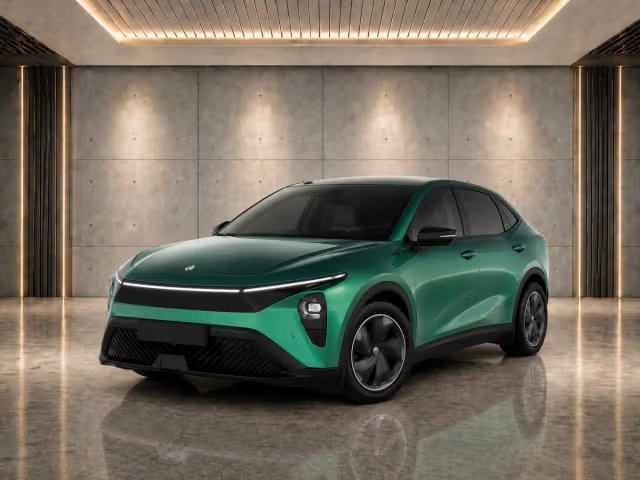
When fully operational, the two facilities are expected to produce approximately 70,000 vehicles annually, making them among the most significant EV manufacturing projects currently planned in West Africa. The plants will focus on producing the Acely brand while also creating opportunities for local suppliers, component manufacturers, and technology partners.
Industry analysts believe the project could contribute significantly to Nigeria’s industrialization efforts by strengthening local value chains, reducing foreign exchange pressures associated with vehicle imports, and creating thousands of direct and indirect jobs.
Beyond manufacturing, Hybrid Motors Nigeria recognizes that electric vehicles cannot succeed without reliable charging infrastructure. To address this challenge, the company has entered into a strategic partnership with EV charging technology manufacturers in Chongqing, China.
Under the agreement, Hybrid Motors Nigeria plans to deploy 114 fast-charging stations across Lagos and Abuja over the next four years. The network will feature 2,736 fast-charging points, capable of simultaneously serving thousands of vehicles and significantly reducing concerns about charging accessibility.
For many potential EV buyers, range anxiety remains one of the biggest barriers to adoption. Arogundade believes the planned charging network will help eliminate those concerns and accelerate consumer confidence in electric mobility.
“People need to know that wherever they are, they can access reliable charging services,” he said. “Infrastructure is the foundation upon which the future of electric mobility will be built.”
Perhaps one of the most impactful aspects of the company’s long-term strategy is its commitment to human capital development. Recognizing the growing demand for specialized technical skills in the EV sector, Hybrid Motors Nigeria has announced plans to train 10,000 electric vehicle technicians across Nigeria.
The initiative aims to equip young Nigerians with the expertise required to install, maintain, diagnose, and repair electric vehicles and charging systems. Beyond creating employment opportunities, the program is expected to help build the technical workforce needed to sustain the country’s transition toward cleaner transportation technologies.
As governments and businesses around the world accelerate efforts to reduce carbon emissions and embrace sustainable mobility solutions, Nigeria is increasingly being viewed as a market with enormous potential for electric vehicles. With a large population, expanding urban centers, and growing energy innovation, the country presents significant opportunities for investors and manufacturers willing to take a long-term view.
For Arogundade, the launch of Hybrid Motors Nigeria represents more than a business venture. It is a bold attempt to help reshape the future of transportation in Africa’s largest economy.
If successfully executed, the company’s integrated approach—combining manufacturing, infrastructure, financing, technology, and skills development—could play a significant role in accelerating Nigeria’s transition toward a cleaner, more sustainable automotive future.
The road ahead may be challenging, but Hybrid Motors Nigeria is positioning itself to be at the forefront of what could become one of the most important industrial transformations in the country’s modern history.