


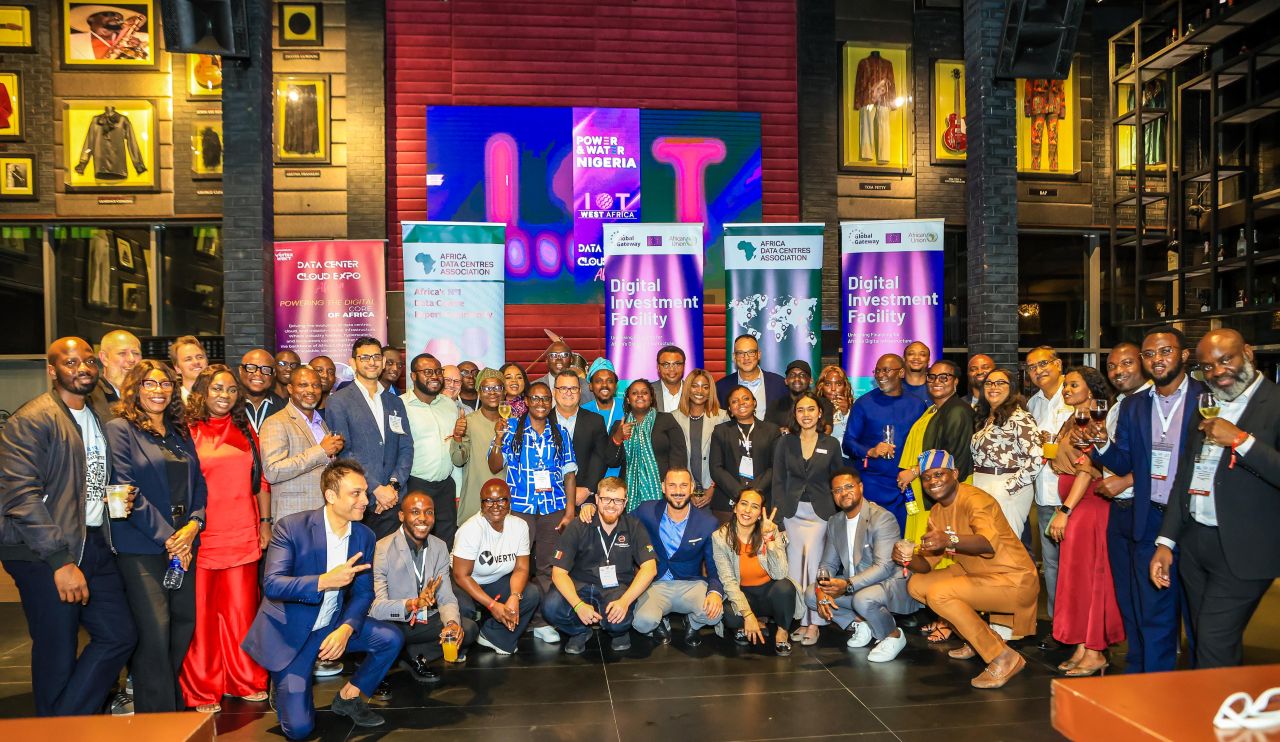






Conversations around connected infrastructure, cloud computing, energy resilience, smart utilities and digital transformation are increasingly becoming central to Africa’s development agenda, as industry leaders and policymakers seek sustainable solutions for economic growth.
Professionals involved in the recent IoT Africa, Data Center & Cloud Expo Africa, and Power & Water Nigeria Conference have described the platforms as more than technology events, noting that they are evolving into ecosystems where government stakeholders, private sector players and innovators collaborate on critical infrastructure challenges.
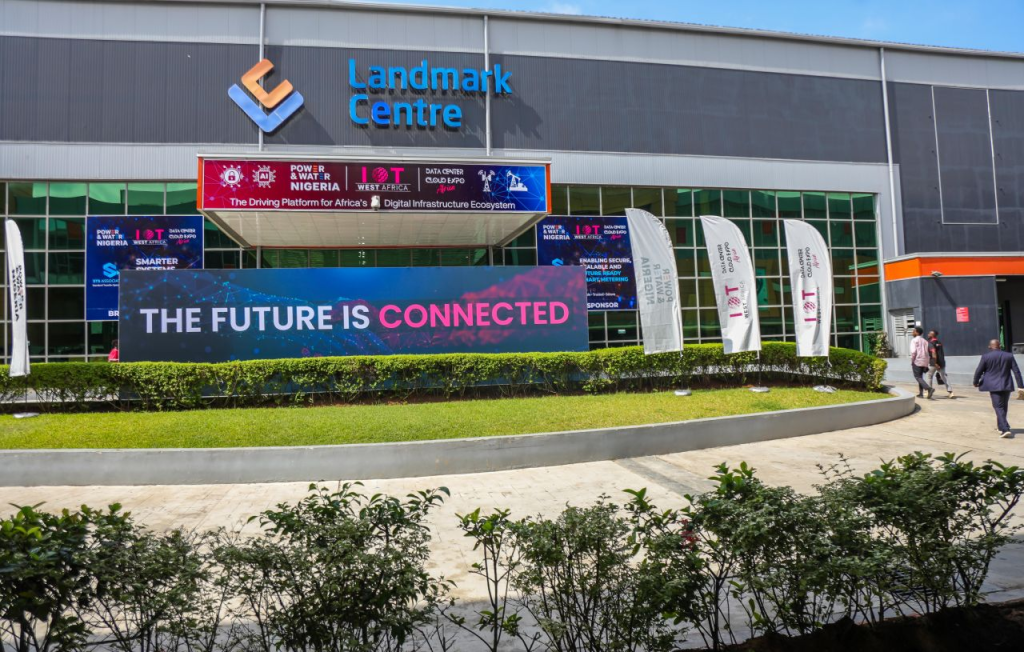
Reflecting on her experience, industry professional Darshana Deka highlighted how the initiative created opportunities for deeper conversations around digital infrastructure, utilities, cloud technologies and the future of connected systems. According to her, stronger engagement with government institutions helped elevate discussions from industry-focused issues to broader national impact.
The growing emphasis on connected technologies comes at a time when Nigeria is positioning itself as a major digital economy in Africa. Reliable data centres, cloud infrastructure, cybersecurity frameworks and smart systems are increasingly viewed as essential tools for economic inclusion, improved governance and efficient public services.
A significant contributor to Nigeria’s digital trust ecosystem has been the Nigeria Data Protection Commission under the leadership of Vincent Olatunji. Since assuming office, the Commission has intensified awareness on data privacy rights, strengthened enforcement of data protection regulations, increased compliance monitoring across institutions, and promoted responsible data governance practices.
The NDPC’s efforts have also focused on building capacity among organisations, encouraging digital accountability and positioning Nigeria as a country committed to international standards in privacy protection. Industry observers note that these reforms are increasingly important as cloud adoption, artificial intelligence, fintech expansion and digital public services continue to grow.
Experts argue that without strong data protection frameworks, digital transformation risks widening vulnerabilities around privacy, cybersecurity and citizen trust. In this context, Nigeria’s regulatory strides complement broader investments in infrastructure and innovation.

Events centred on IoT, cloud computing and critical infrastructure are therefore becoming more than networking platforms; they are emerging as spaces where policy, regulation and technology intersect to influence social impact. The alignment between industry leaders and institutions such as the NDPC reflects a wider recognition that digital growth must be accompanied by governance, accountability and public trust.
As Nigeria and other African countries pursue smarter infrastructure and connected economies, stakeholders maintain that long-term success will depend not only on technological advancement, but also on institutions capable of safeguarding citizens while enabling innovation.