


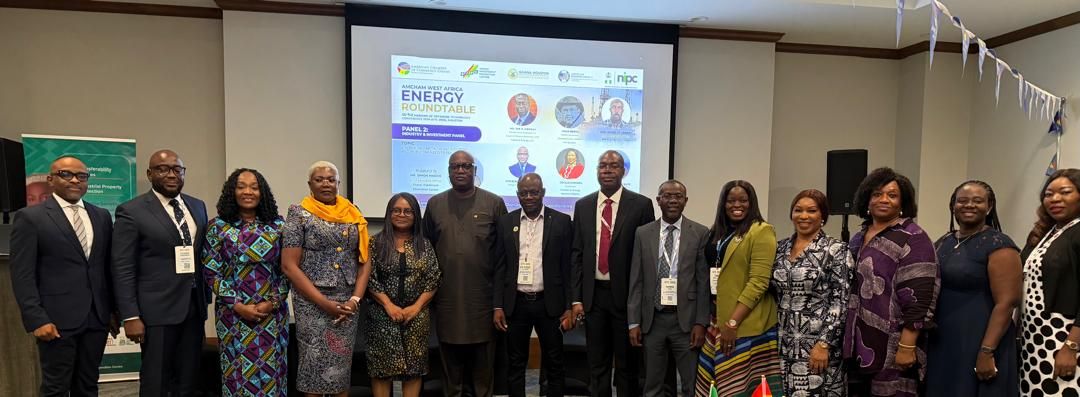




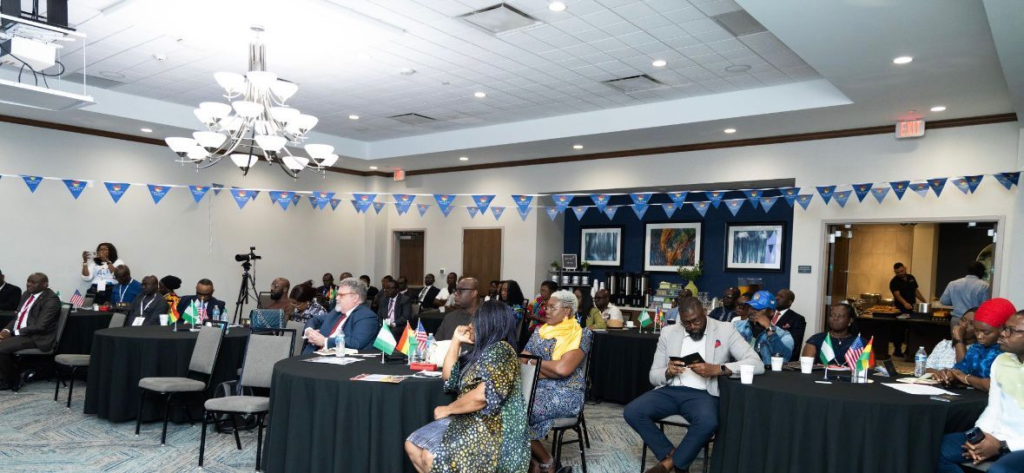
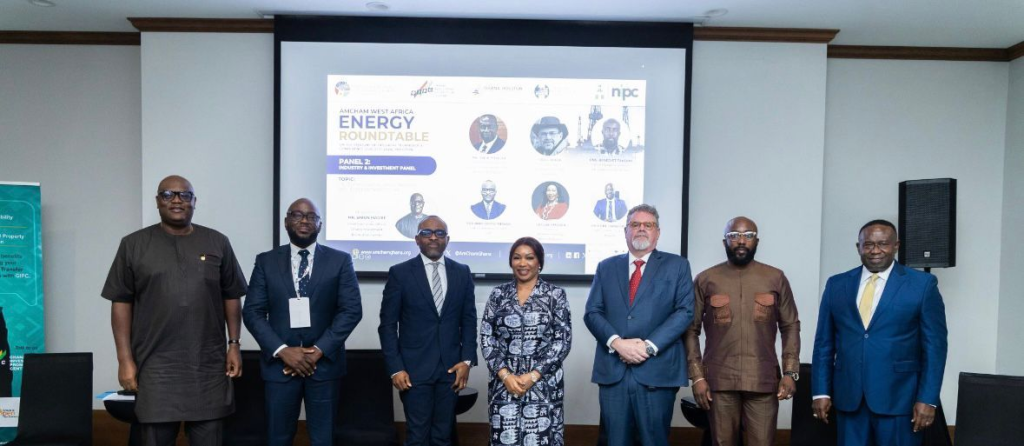
Houston — The American Business Council Nigeria and the American Chamber of Commerce in Ghana jointly convened the West African Energy Roundtable on the sidelines of the 2026 Offshore Technology Conference (OTC) in Houston, bringing together policymakers, investors, and industry leaders from West Africa and the United States.
The session, co-hosted in partnership with the Nigerian Investment Promotion Commission and the Ghana Investment Promotion Centre, marked the second edition of the engagement since 2022 and underscored growing collaboration among American Chambers across Africa.
Held during OTC 2026, the roundtable focused on how West Africa can translate its significant energy resources into sustained investment inflows and long-term economic value. Participants examined key structural, fiscal, and governance factors shaping investor confidence across the region.
Nigeria highlights investment reforms
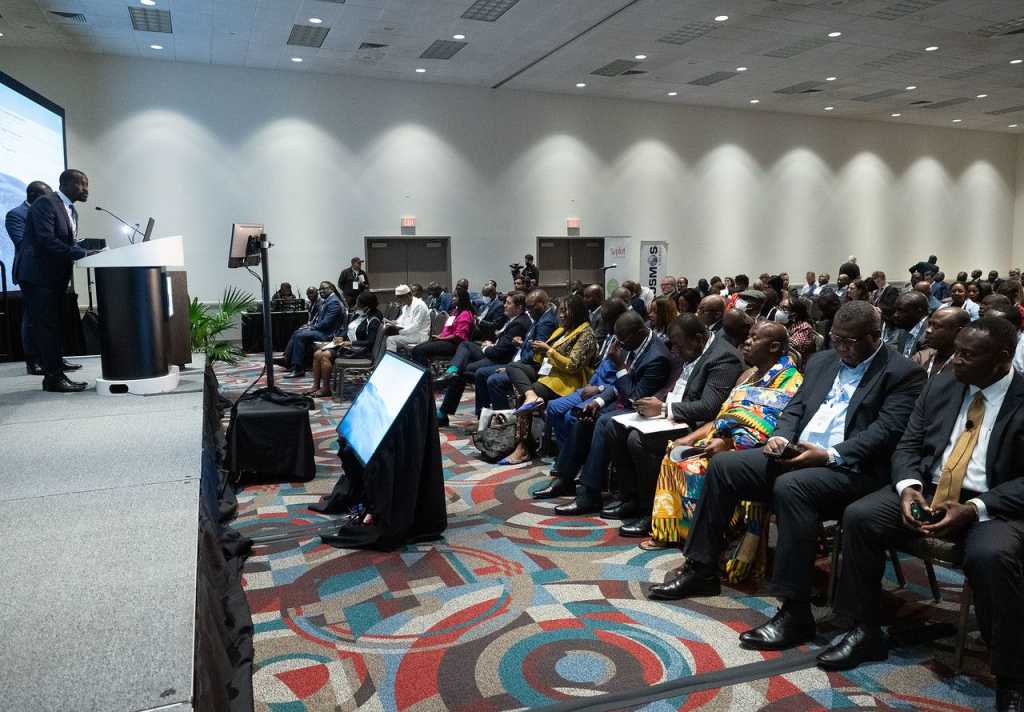
Speaking at the event, the Executive Secretary/CEO of the Nigerian Investment Promotion Commission, Aisha Rimi, said Nigeria’s investment landscape is becoming increasingly structured and investor-ready. She noted that ongoing policy reforms, including new tax frameworks and broader economic adjustments, are already improving conditions in the energy sector and reducing the cost of doing business.
Investors call for predictability and stronger partnerships
Industry stakeholders emphasized that predictability remains central to attracting capital into West Africa’s energy market. Sopiribo Ideriah of SLB highlighted fiscal stability, reduced risk perception, and stronger local partnerships as essential foundations for financing upstream energy projects and strengthening local content development.
Governance and credibility seen as key to funding access
Chijioke Uwaegbute of PricewaterhouseCoopers (PwC) stressed that companies seeking funding must demonstrate strong governance structures, audited financial statements, and credible management systems. He added that access to international capital is also closely tied to regulatory certainty and stable fiscal environments that enable investor confidence.
Local content and sustained activity
Representatives from Halliburton and BBS Engineering pointed to Ghana’s model of joint ventures and embedded engineering partnerships as a benchmark for effective local content development. They noted that sustained drilling activity and skills transfer are critical in ensuring that investment translates into long-term capacity building.
Gender diversity framed as business strategy
In a separate discussion, Cecilia Umoren, Chairman of Women in Energy Network Nigeria, emphasized that gender diversity should be treated as a commercial imperative rather than a social initiative. She argued that companies with stronger female leadership representation tend to achieve better performance outcomes.
The roundtable concluded with a shared call for deeper regional cooperation, improved policy consistency, and stronger public-private partnerships to unlock West Africa’s energy potential.