


Findings highlight identity-driven attack patterns as cybercriminals increasingly impersonate the world’s most trusted brands
Johannesburg, SA April 17th 2026 – Check Point Research (CPR), the Threat Intelligence arm of Check Point® Software Technologies Ltd. (NASDAQ: CHKP), a pioneer and global leader of cyber security solutions, has released its Brand Phishing Ranking for Q1 2026. The latest findings show that Microsoft remained the most impersonated brand, appearing in 22% of all phishing attempts recorded during the quarter. The results continue to highlight a persistent trend: cybercriminals are systematically abusing widely used enterprise, cloud, and consumer platforms to harvest credentials and gain initial access to accounts and corporate environments.
Apple rose to second place with 11%, followed by Google in third place at 9%. Amazon ranked fourth with 7%, while LinkedIn climbed to fifth place at 6%, underscoring growing attacker interest in professional identities and workplace access. Notably, the top four brands alone accounted for nearly 50% of all brand phishing attempts observed during the quarter, reflecting a strong concentration around a small number of globally trusted platforms.
By industry, the Technology sector remained the most impersonated category, followed by Social Networks and the Banking sector, demonstrating how identity-centric services and financial platforms continue to be prime targets for phishing-driven attacks.
Omer Dembinsky, Data Research Manager at Check Point Research, says:“Phishing attacks continue to evolve in both scale and sophistication, increasingly relying on highly convincing brand impersonation, polished user interfaces, and subtle domain manipulation.
The fact that Microsoft, Apple, and Google remain at the top of the rankings shows how critical identity and cloud access have become for attackers. At the same time, the rise of platforms like LinkedIn highlights growing interest in professional and enterprise environments. To reduce risk, organizations must adopt a prevention-first approach that combines AI-driven threat intelligence with proactive protection across email, web, and collaboration platforms.”
Top 10 Most Imitated Brands in Phishing – Q1 2026
- Microsoft – 22%
- Apple – 11%
- Google – 9%
- Amazon – 7%
- LinkedIn – 6%
- Dropbox – 2%
- Facebook – 2%
- WhatsApp – 1%
- Tesla – 1%
- YouTube – 1%
The continued dominance of major technology brands reflects their essential role in identity management, productivity tools, cloud services, and professional networking, making associated credentials highly valuable to cybercriminals.
Phishing Campaigns Observed in Q1 2026
Microsoft: Credential Harvesting via Subdomain Abuse
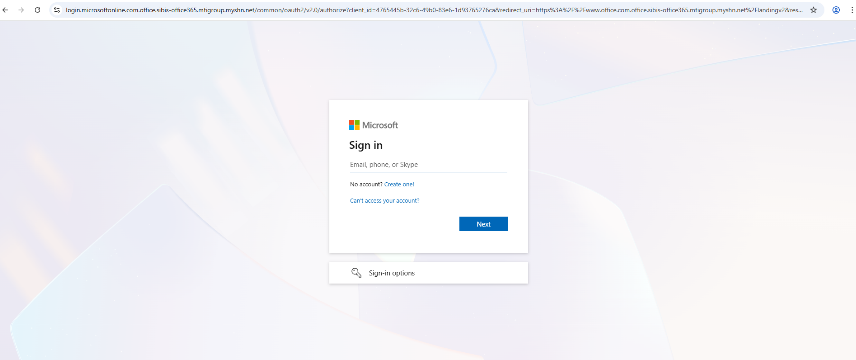
In Q1 2026, CPR identified a malicious website designed to impersonate Microsoft’s legitimate authentication service: login[.]microsoftonline[.]com[.]office[.]sibis-office365[.]mtigroup[.]myshn[.]net
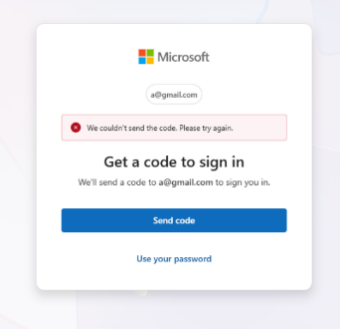
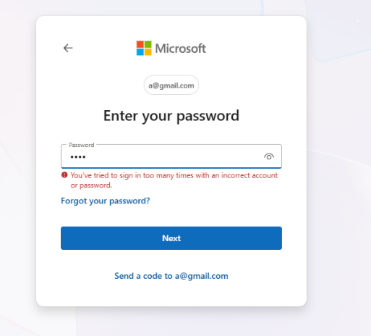
The campaign leveraged a common phishing technique in which trusted brand names are embedded within long subdomains under unrelated parent domains, increasing the likelihood that users overlook the full URL. The site presented a Microsoft-branded login page and exhibited inconsistent authentication behavior, strongly indicating a credential-harvesting attempt.
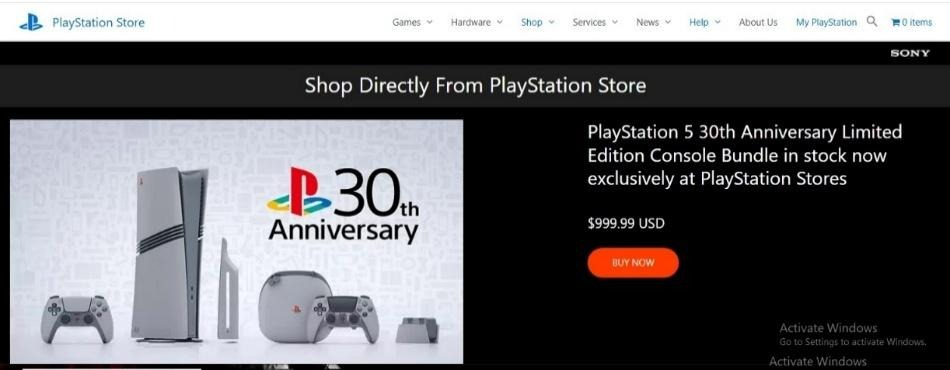
PlayStation: Fake Online Store and Payment Fraud
CPR also observed a phishing website hosted at playstation-stores[.]com, falsely presenting itself as an official PlayStation store. The site advertised promotional discounts and allowed users to proceed through a checkout process, ultimately instructing victims to complete payment via direct bank transfer—an indicator of financial fraud. Multiple broken links and redirects further signaled malicious intent.
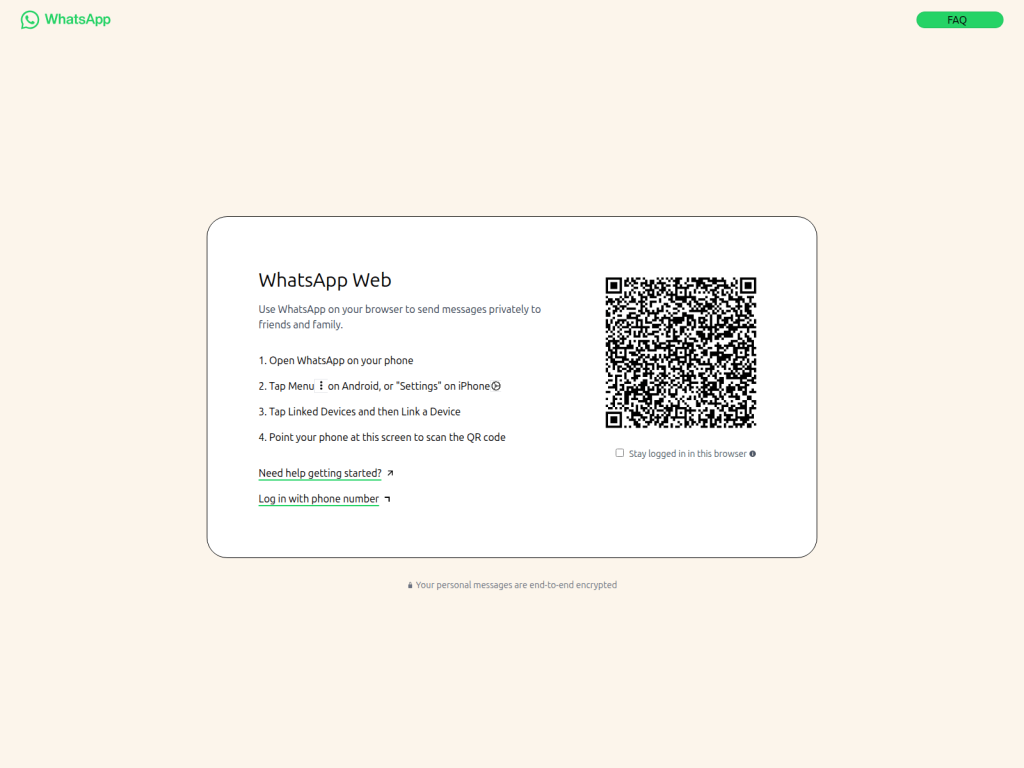
WhatsApp: Account Takeover via QR Code Abuse
Another campaign identified during the quarter impersonated WhatsApp Web, hosted at web[.]whatsapp[.]app[.]hl[.]cn. The phishing page closely resembled the legitimate WhatsApp Web interface and prompted users to scan a QR code. By doing so, victims risked linking their accounts to attacker-controlled sessions, potentially enabling unauthorized access to private conversations and account activity.
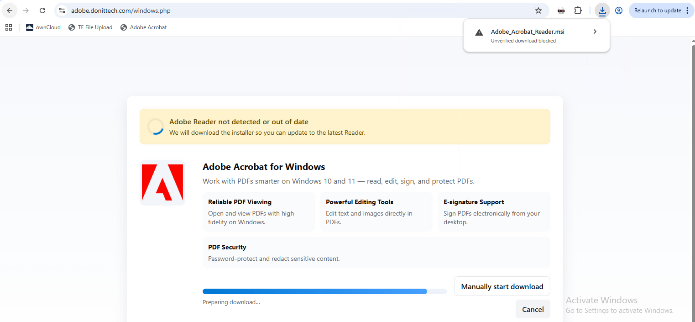
Adobe: Malware Distribution via Fake Software Download
In a separate incident, CPR uncovered a phishing site masquerading as Adobe Acrobat, hosted at adobe[.]donittech[.]com/windows[.]php. The domain, registered in November 2025, lured users into downloading a malicious MSI file that installed ConnectWise software abused as a Remote Access Trojan (RAT), allowing attackers to gain remote control of infected systems.
Why Brand Phishing Is Gaining Momentum
Brand phishing continues to gain traction as cybercriminals increasingly exploit the credibility of globally recognised digital services. By using convincing lookalike domains, realistic login interfaces, and multi‑step authentication flows, attackers are able to bypass user suspicion and silently capture credentials at scale, perform financial fraud or initiate malware infection chains.
“This trend is being amplified by the widespread adoption of cloud services and digital identity platforms, where a single compromised account can provide access to email, collaboration tools, financial data, or corporate networks. As a result, brand phishing has become one of the most common initial access methods behind both large‑scale consumer fraud and enterprise security breaches, reinforcing its growing role in today’s threat landscape,” says Lorna Hardie, Regional Director: Africa, Check Point Software Technologies.
Follow Check Point on LinkedIn, X (formerly Twitter), Facebook, YouTube and our blog.
About Check Point Research
Check Point Research provides leading cyber threat intelligence to Check Point Software customers and the greater intelligence community. The research team collects and analyzes global cyber-attack data stored on ThreatCloud to keep hackers at bay, while ensuring all Check Point products are updated with the latest protections. The research team consists of over 100 analysts and researchers cooperating with other security vendors, law enforcement and various CERTs.
About Check Point Software Technologies Ltd.
Check Point Software Technologies Ltd. (www.checkpoint.com) is a global cyber security leader protecting more than 100,000 organizations worldwide. Its mission is to secure enterprises’ AI transformation. With a prevention-first approach and an open ecosystem architecture, Check Point helps organizations block advanced threats, prioritize exposures, and automate security operations across complex digital environments. The unified architecture simplifies protection across hybrid networks, multi-cloud environments, digital workspaces, and AI systems. Structured around four strategic pillars, Hybrid Mesh Network Security, Workspace Security, Exposure Management, and AI Security, Check Point delivers consistent protection and visibility across multivendor environments, enabling organizations to reduce risk, improve efficiency, and accelerate innovation without increasing complexity.