


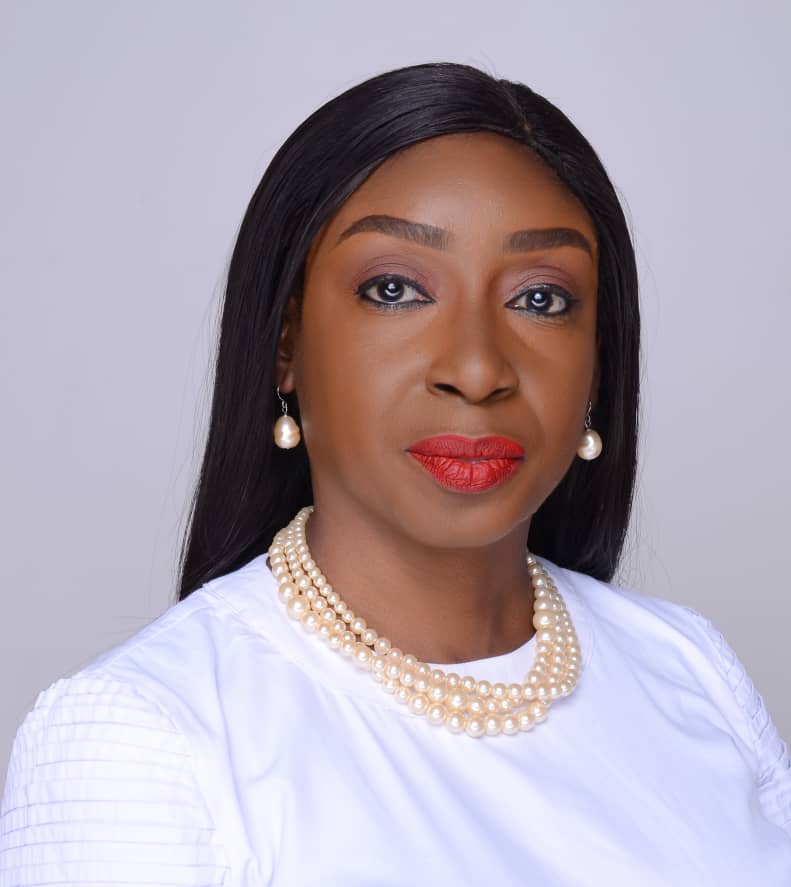





For Efe Obiomah, a recent moment of reflection brought back a conversation she first engaged in years ago,one that still feels just as relevant today.
In 2022, she was asked a simple but thought-provoking question during an International Women’s Day feature: Are the challenges facing women in Public Relations real or imagined? Her answer then was clear—while women are visible in leadership roles like heads of corporate communications, there still seems to be an invisible ceiling when it comes to reaching the very top.
Looking back now, that perspective hasn’t changed much.
Obiomah points out that although women in PR often rise to senior positions within organisations, very few, if any to make the leap to CEO roles. Unlike colleagues in finance or marketing who sometimes transition into top executive leadership, PR professionals, especially women, are rarely seen on that path.
Interestingly, she recalls that when she shared those thoughts back then, someone responded that the real issue wasn’t about becoming CEOs, but about simply having a seat at the decision-making table. That perspective stayed with her.
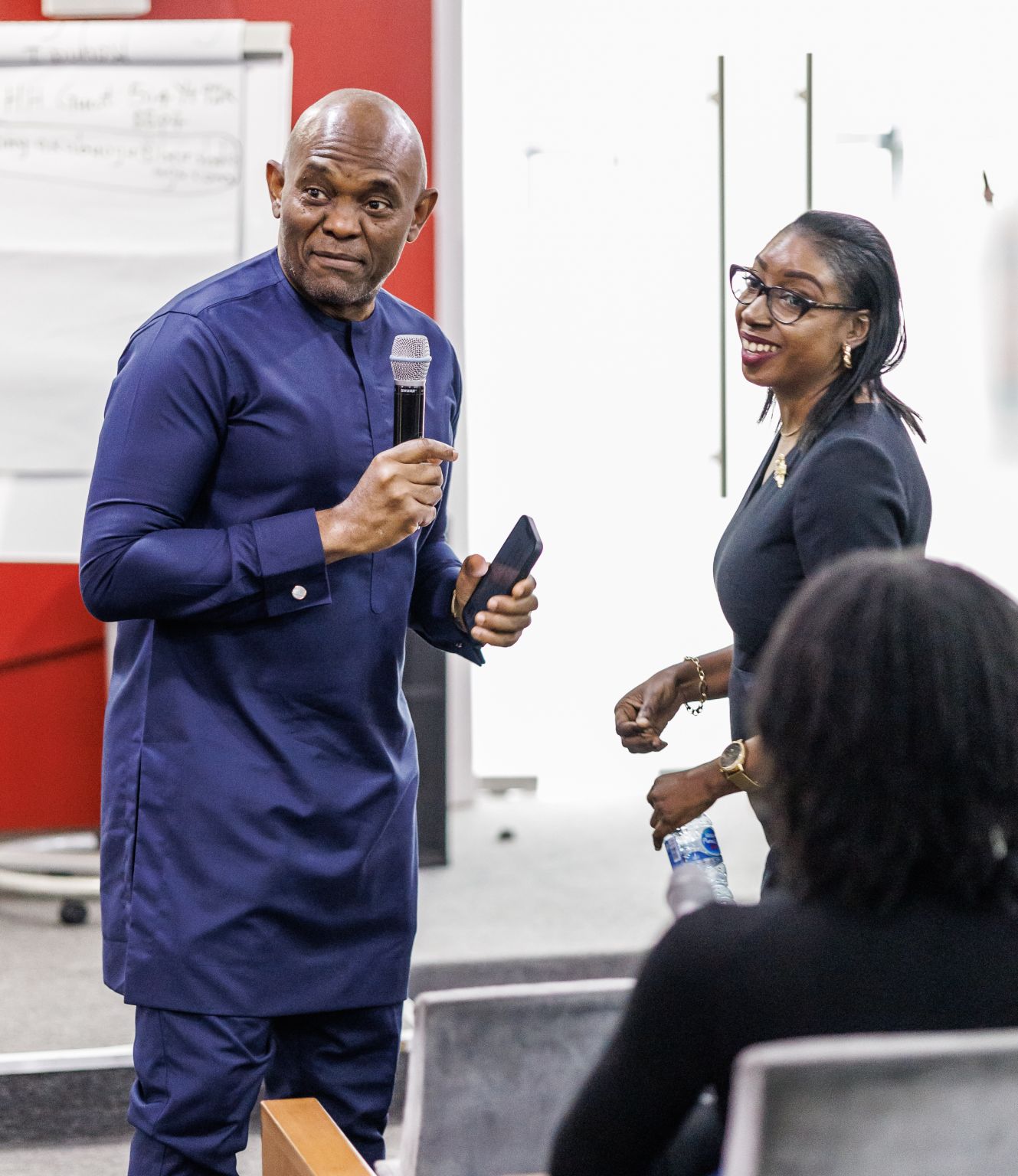
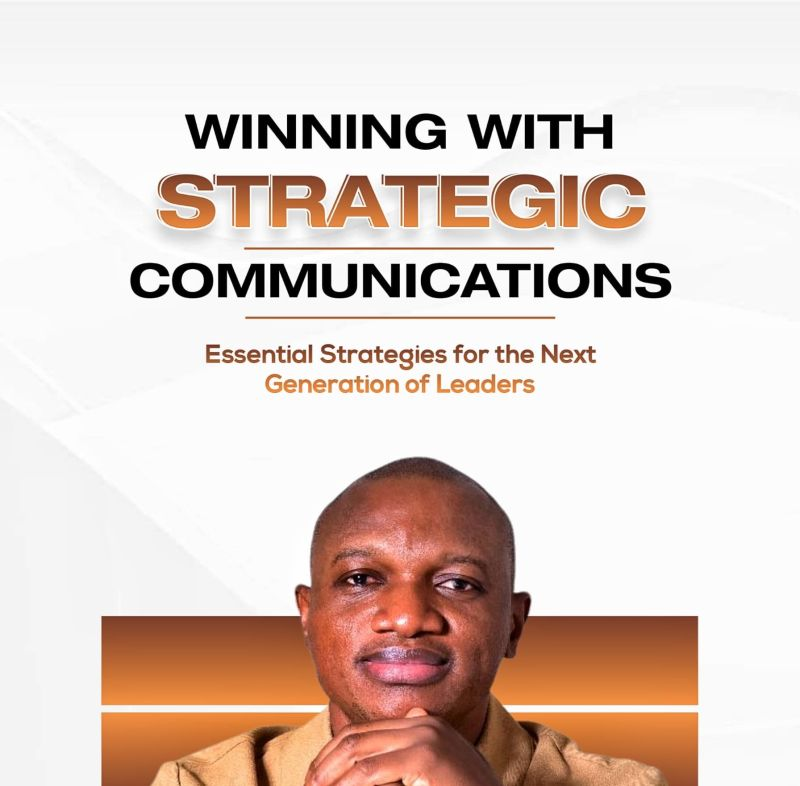
So, hearing similar ambitions echoed recently by Godfrey Adejumoh at a book event felt both validating and encouraging.
Lessons from the book
Obiomah shares that several ideas from Adejumoh’s book resonated deeply with her.
One of the most powerful messages was the call to break and shatter the glass ceiling—a reminder that limits are meant to be challenged, not accepted.
Another standout idea was around reputation management, particularly the importance of shaping perception intentionally. Even when the media doesn’t use your exact words, the way you frame your message still matters,it sets the tone.
But her favourite takeaway? A simple truth: the real currency of a PR professional is influence.
It’s a view she strongly agrees with, and one that aligns with her own work and thinking.
PR in a changing world
The conversation also touched on how the role of PR is evolving—especially in how professionals support CEOs and navigate an increasingly complex, fast-moving environment.
There was also a strong emphasis on understanding today’s workforce. Different generations bring different strengths, from experience to creativity to tech-savviness, and the ability to harness those differences is becoming a key leadership skill.
A shifting professional landscape
Obiomah didn’t shy away from a more uncomfortable truth either—the idea that traditional professional bodies like the Nigerian Institute of Public Relations may not hold the same level of influence or prestige they once did.
In their place, more informal, knowledge-driven communities are emerging—spaces where people come together to learn, share ideas, and grow. According to her, these communities are becoming increasingly important and can’t be ignored.
Looking ahead
At its core, Obiomah’s reflection is about clarity—about understanding what public relations truly is and the value it brings.
She hopes for a future where PR is better understood, not just within boardrooms, but by everyday people—just like fields such as medicine or law.
Because for her, the journey forward is not just about breaking barriers, but about redefining how the profession itself is seen.