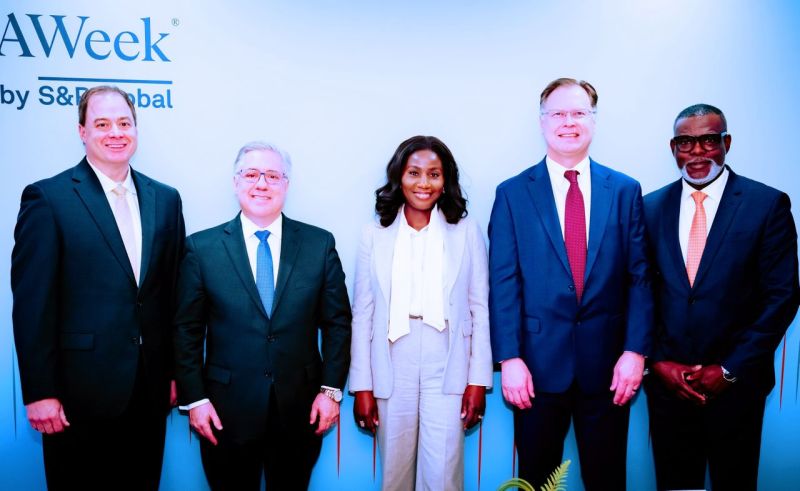
At the prestigious global energy gathering CERAWeek 2026, Nigeria stepped into the spotlight with renewed determination to convert policy reforms into real-world impact—jobs, energy access, and economic growth.
Leading this charge was Olu Arowolo Verheijen, Special Adviser to the President on Energy, who held strategic discussions with senior executives from Chevron Corporation—one of Nigeria’s long-standing energy partners.
The high-level meeting brought together influential figures shaping the future of global energy, including Brent Gros, Clay Neff, Jim Swartz, and Olusoga Oduselu. Their discussions centered on Chevron’s investment outlook in Nigeria, with particular focus on deep offshore exploration and the expansion of gas infrastructure.
Turning Policy Into People-Focused Impact
Beyond boardroom strategy, the implications of these talks are deeply human. Increased investment in offshore and gas projects could unlock thousands of jobs, strengthen local supply chains, and boost government revenues—funds that can support education, healthcare, and infrastructure across the country.
Gas development, in particular, is emerging as a cornerstone of Nigeria’s energy transition. With millions still lacking reliable electricity, expanding gas-powered solutions offers a cleaner, more accessible alternative to traditional fuels. This shift could help reduce energy poverty while supporting climate-conscious development.
Building Trust With Long-Term Partners
Verheijen emphasized that sustained engagement with trusted partners like Chevron is critical. For Nigeria, it’s not just about attracting capital—it’s about building confidence that reforms will be consistent, transparent, and beneficial to both investors and citizens.
Chevron’s continued interest signals growing confidence in Nigeria’s evolving energy landscape, especially as the government works to improve regulatory clarity and investment conditions.
A Defining Moment for Nigeria’s Energy Future
As global energy dynamics shift, Nigeria is positioning itself as a key player—leveraging its vast natural resources while adapting to cleaner energy demands. Platforms like CERAWeek provide more than networking opportunities; they serve as launchpads for partnerships that can redefine national development.
If these discussions translate into action, the impact could be transformative: more reliable power for homes and businesses, expanded economic opportunities, and a stronger, more resilient energy sector.
In a world racing toward energy security and sustainability, Nigeria’s message is clear—it is open for investment, ready for innovation, and focused on delivering tangible benefits to its people.