


ANTHONY EMEKA NWOSU
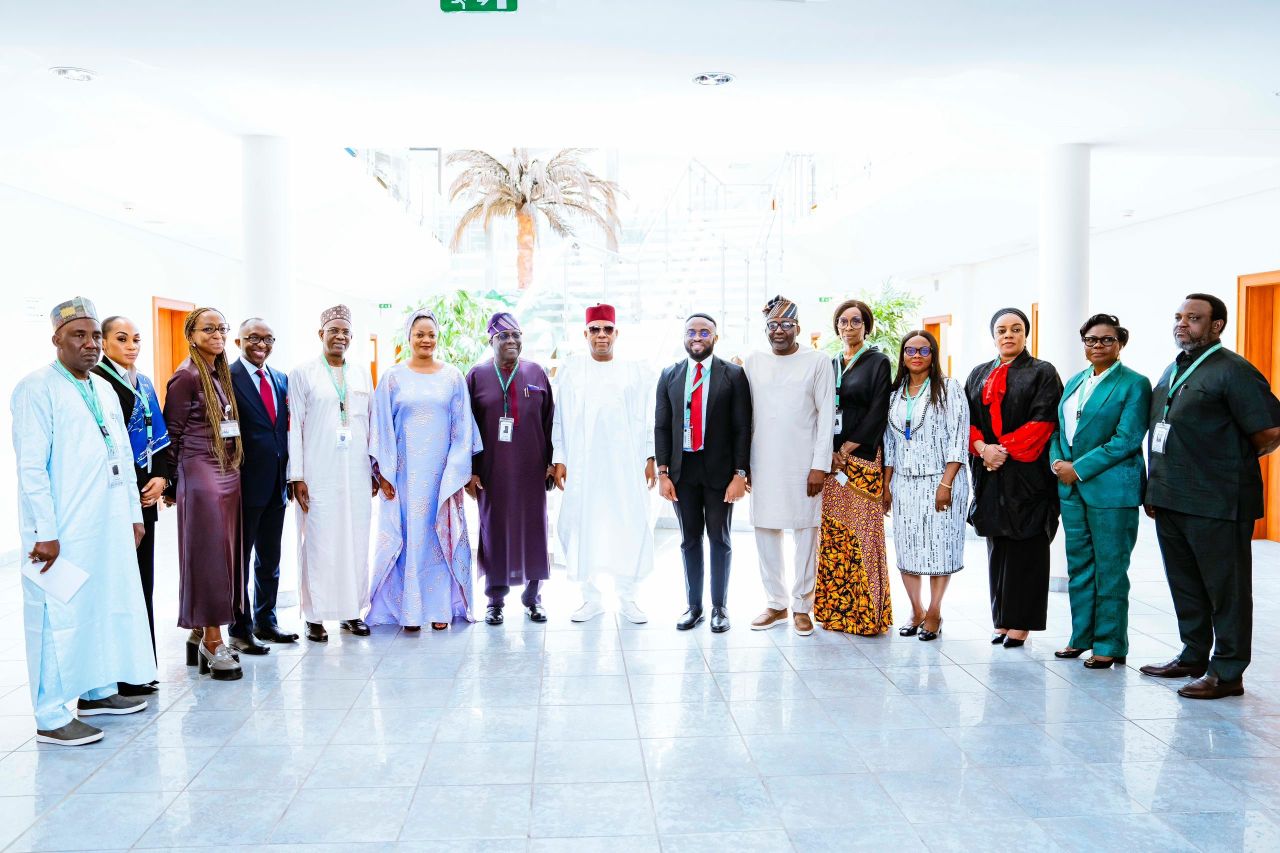
— Nigeria’s consumer credit reform agenda received a significant boost as Vice President Kashim Shettima inaugurated the Board of the Nigerian Consumer Credit Corporation (CREDICORP), signaling renewed commitment to expanding sustainable access to credit for millions of Nigerians.
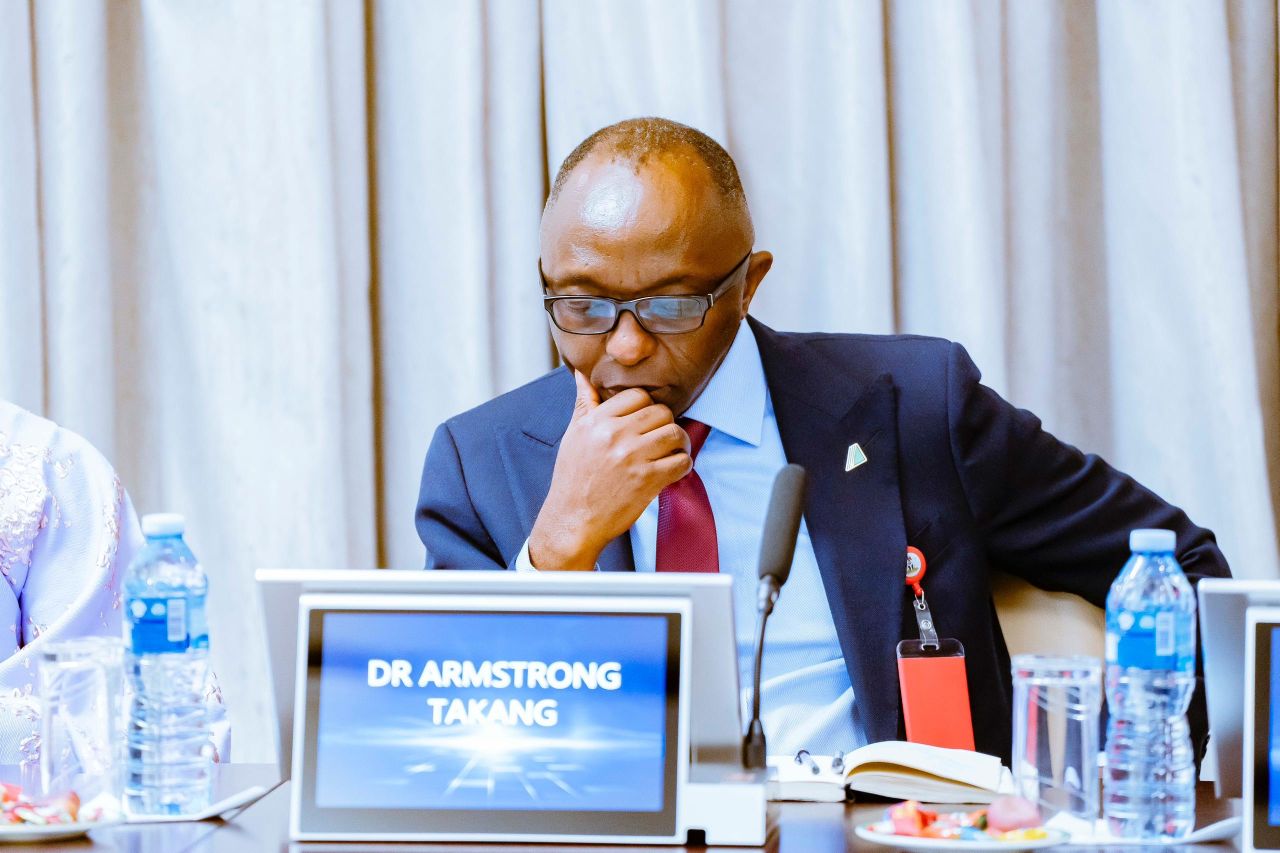
Among those inaugurated was Dr. Armstrong Takang, Chief Executive Officer of Ministry of Finance Incorporated (MOFI), who will serve on the board as the representative of MOFI, one of CREDICORP’s key institutional stakeholders.
Strengthening Nigeria’s Consumer Credit Framework
The inauguration marks a strategic milestone in the Federal Government’s effort to build a trusted and inclusive consumer credit system. CREDICORP was established under the administration of President Bola Ahmed Tinubu to address longstanding barriers to credit access, particularly for Nigerians historically excluded from the formal financial system.
Speaking during the ceremony, Vice President Shettima highlighted the corporation’s early achievements, noting that CREDICORP has disbursed over ₦37 billion in consumer credit within just 18 months of operation. The funds have reached more than 200,000 Nigerians, with over half of the beneficiaries reportedly accessing formal credit for the first time.
Analysts say the figures represent a notable shift in Nigeria’s credit landscape, where limited credit infrastructure, high risk perception, and weak data systems have traditionally constrained consumer lending.
MOFI’s Strategic Oversight Role
As MOFI’s representative on the board, Dr. Takang is expected to play a key role in shaping CREDICORP’s long-term strategy and governance. MOFI, which manages the Federal Government’s equity investments and portfolio companies, provides oversight to ensure commercial sustainability and alignment with national economic priorities.
In remarks following the inauguration, Takang expressed optimism about the corporation’s trajectory, emphasizing the importance of building a resilient credit ecosystem capable of supporting economic participation at scale.
CREDICORP is considered one of MOFI’s portfolio companies with direct social impact, as its operations intersect with financial inclusion, small business growth, and household economic stability.
Credit Access and Economic Inclusion
Nigeria’s credit-to-GDP ratio remains relatively low compared to peer economies, limiting the ability of households and small enterprises to leverage financing for consumption and growth. Experts argue that improving access to structured consumer credit can stimulate demand, expand economic activity, and formalize segments of the economy currently operating outside the banking system.
However, sustainable expansion will depend on:
- Robust identity verification systems
- Strong credit reporting infrastructure
- Responsible lending frameworks
- Consumer protection mechanisms
The inclusion of representatives from institutions such as the National Identity Management Commission (NIMC), the Federal Competition and Consumer Protection Commission (FCCPC), and relevant ministries on the board reflects a multi-agency approach to strengthening the ecosystem.
Full Composition of the CREDICORP Board
The inaugurated board members include:
- Otunba Aderemi Abdul — Chairman
- Engr. Uzoma Nwagba — Managing Director/CEO
- Olanike Kolawole — Executive Director, Operations
- Aisha Abdullahi — Executive Director, Credit and Portfolio Management
- Dr. Armstrong Ume Takang — Representative of MOFI
- Engr. Bisoye Coke-Odusote — Representative of NIMC
- Mohammed Naziru Abbas — Representative of FMITI
- Marvin Nadah — Representative of FCCPC
- Chinonyelum Ndidi — Representative of the Federal Ministry of Finance
- Mohammed Abbas Jega — Independent Director
- Toyin Adeniji — Independent Director
Looking Ahead
With the formal inauguration of its board, CREDICORP is expected to accelerate efforts to scale consumer credit access while maintaining financial sustainability and regulatory discipline.
Stakeholders view the development as a critical step toward institutionalizing a credit culture in Nigeria—one that balances expansion with prudence, and inclusion with accountability.
As Nigeria continues broader economic reforms, the performance of CREDICORP may serve as a benchmark for how public-backed financial institutions can drive both commercial returns and social impact.