


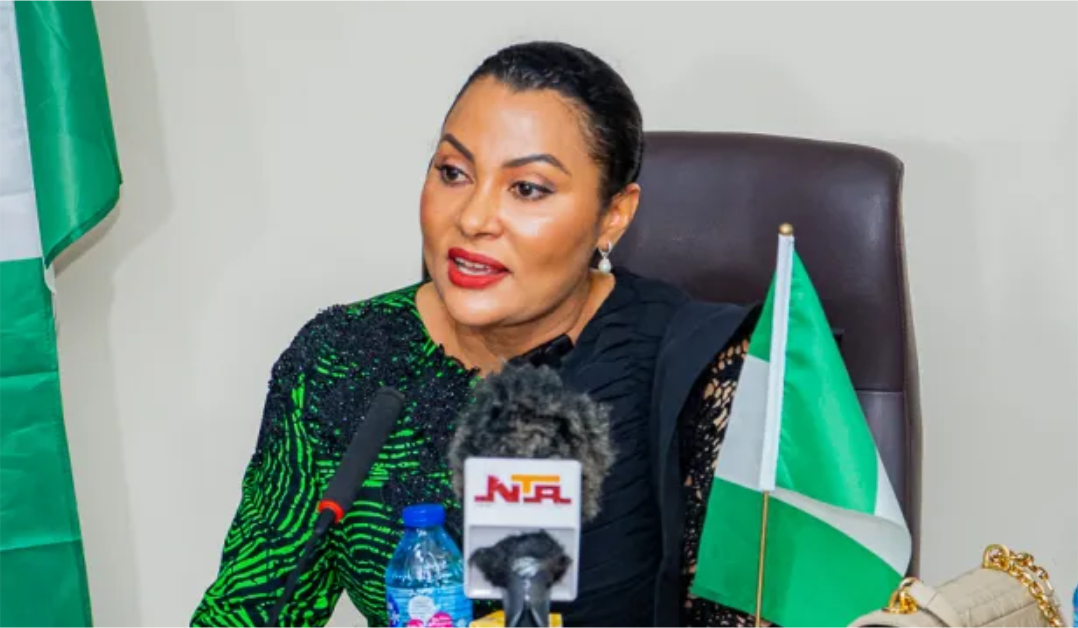




At the G-24 Technical Summit on mobilizing finance for sustainable, inclusive, and job-rich economic transformation, Nigeria’s Minister of State for Finance, Doris Uzoka-Anite, called for sweeping reforms in the global financial architecture to better support developing economies.
Speaking at the high-level gathering, Uzoka-Anite echoed the position of President Bola Ahmed Tinubu, who has advocated for a restructuring of global finance systems. She emphasized that multilateral institutions must move beyond traditional blended finance models and adopt frameworks that more effectively crowd in private capital.
According to the minister, regional financial institutions should prioritize regulatory harmonization, mutual recognition of standards, and the removal of non-tariff barriers to facilitate cross-border investment and trade. She also urged development banks to expand the use of first-loss capital, guarantee instruments, and blended finance structures to mitigate early-stage investment risks.
Highlighting domestic reforms, Uzoka-Anite stated that Nigeria has aligned its monetary, fiscal, trade, and industrial policies under a unified framework aimed at strengthening macroeconomic stability, boosting investor confidence, and reinforcing reform credibility.
She noted that Nigeria’s foreign reserves have surpassed $40 billion, with more than $50 billion in secured investment commitments and improved export performance, describing these developments as evidence that coordinated reforms are yielding measurable results.
As regional integration efforts deepen, the minister stressed the importance of focusing on bankable projects, competitive regional value chains, and sustainable job creation.
“Nigeria stands ready to lead through disciplined execution and measurable results,” she said.