


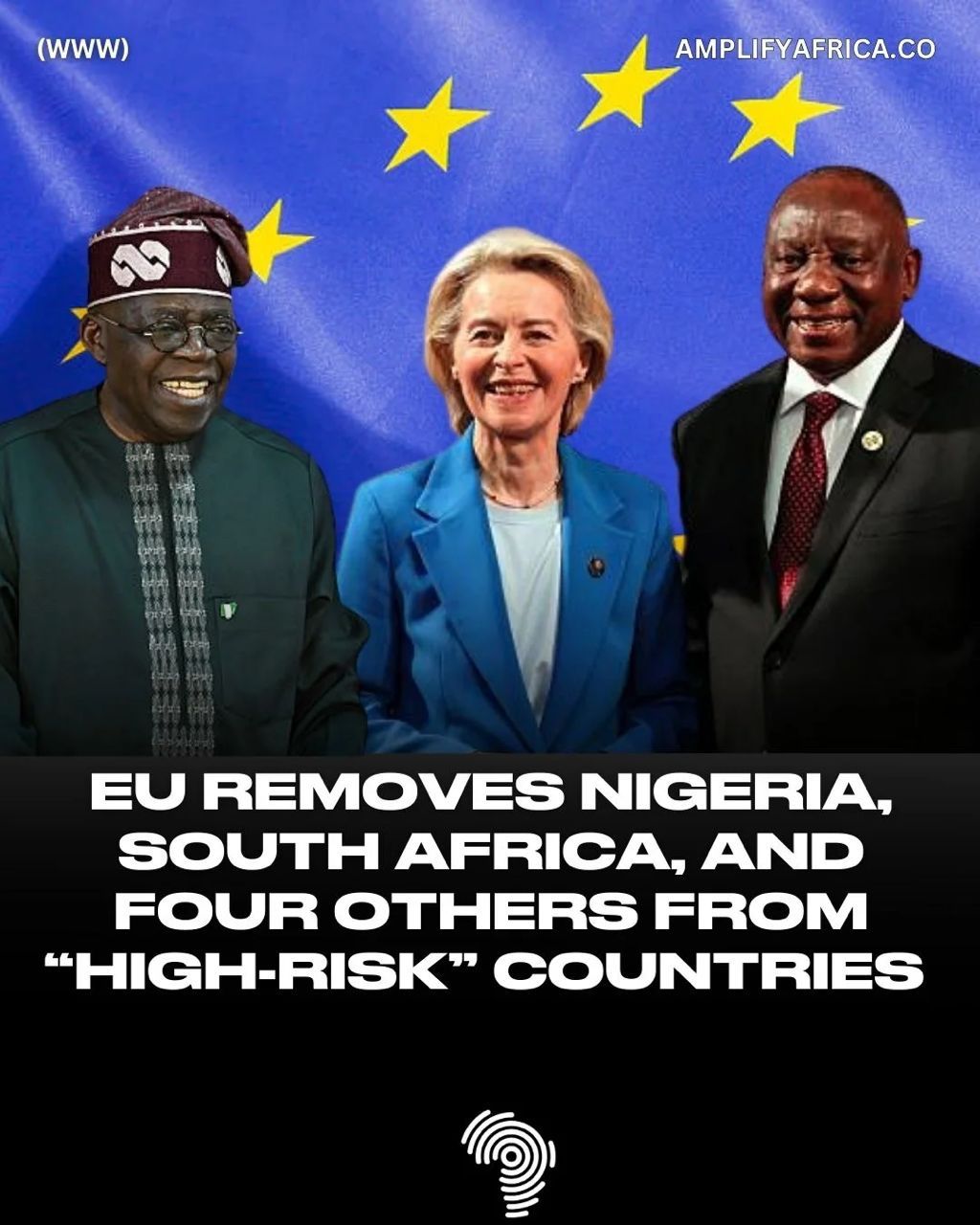






Nigeria has recorded a major breakthrough in its ongoing economic and financial sector reforms following its removal from the European Union’s list of high-risk countries for money laundering and terrorism financing.
The development, announced by the Honourable Minister of State for Finance, Doris Uzoka-Anite, marks a significant milestone in Nigeria’s efforts to strengthen financial governance, improve regulatory compliance, and rebuild international confidence in its economy.
According to the Minister, Nigeria’s exit from the EU’s financial high-risk list reflects the tangible progress achieved under the leadership of President Bola Ahmed Tinubu, particularly in the areas of anti-money laundering (AML) and counter-terrorism financing (CTF) frameworks.
“This achievement showcases our progress in anti-money laundering and counter-terrorism financing reforms,” Uzoka-Anite stated, congratulating President Tinubu for providing the leadership that made the milestone possible.
Implications for Nigeria’s Economy
Nigeria’s removal from the list is expected to have far-reaching implications for the economy. Being classified as a high-risk jurisdiction had previously subjected Nigerian financial institutions and businesses to enhanced scrutiny, higher compliance costs, delayed transactions, and, in some cases, restricted access to international financial markets.
With the delisting, analysts say Nigeria stands to benefit from improved access to global financial systems, faster cross-border transactions, and renewed investor confidence—particularly from European financial institutions and multinational investors.
The development also sends a strong signal to foreign direct investors that Nigeria is serious about financial transparency, institutional reforms, and aligning its regulatory systems with global best practices.
Boost to Investment and Trade
Experts note that the decision could positively impact Nigeria’s trade relationships with European partners, ease correspondent banking relationships, and reduce barriers faced by Nigerian businesses operating internationally.
For local entrepreneurs, fintech companies, and exporters, the delisting could translate into smoother international payments, lower transaction risks, and expanded opportunities to scale across borders.
Sustaining the Momentum
Uzoka-Anite emphasized that the federal government remains committed to sustaining the reforms that led to the achievement, stressing that the delisting is not an end in itself but a foundation for broader economic growth.
“As Minister of State for Finance, I am committed to sustaining this momentum and driving growth,” she said, reaffirming the government’s determination to consolidate gains and deepen reforms across the financial sector.
A Strategic Win for Nigeria’s Global Image
Beyond economic indicators, Nigeria’s removal from the EU high-risk list is widely seen as a reputational boost for the country at a time when it is seeking to reposition itself as a credible, investment-friendly destination amid global competition for capital.
Observers say the development reinforces the Tinubu administration’s broader reform agenda and strengthens Nigeria’s standing within the international financial community.
As Nigeria continues to navigate complex economic challenges, the delisting represents a critical vote of confidence—one that underscores the importance of sustained reforms, strong institutions, and transparent governance in driving long-term national development.