


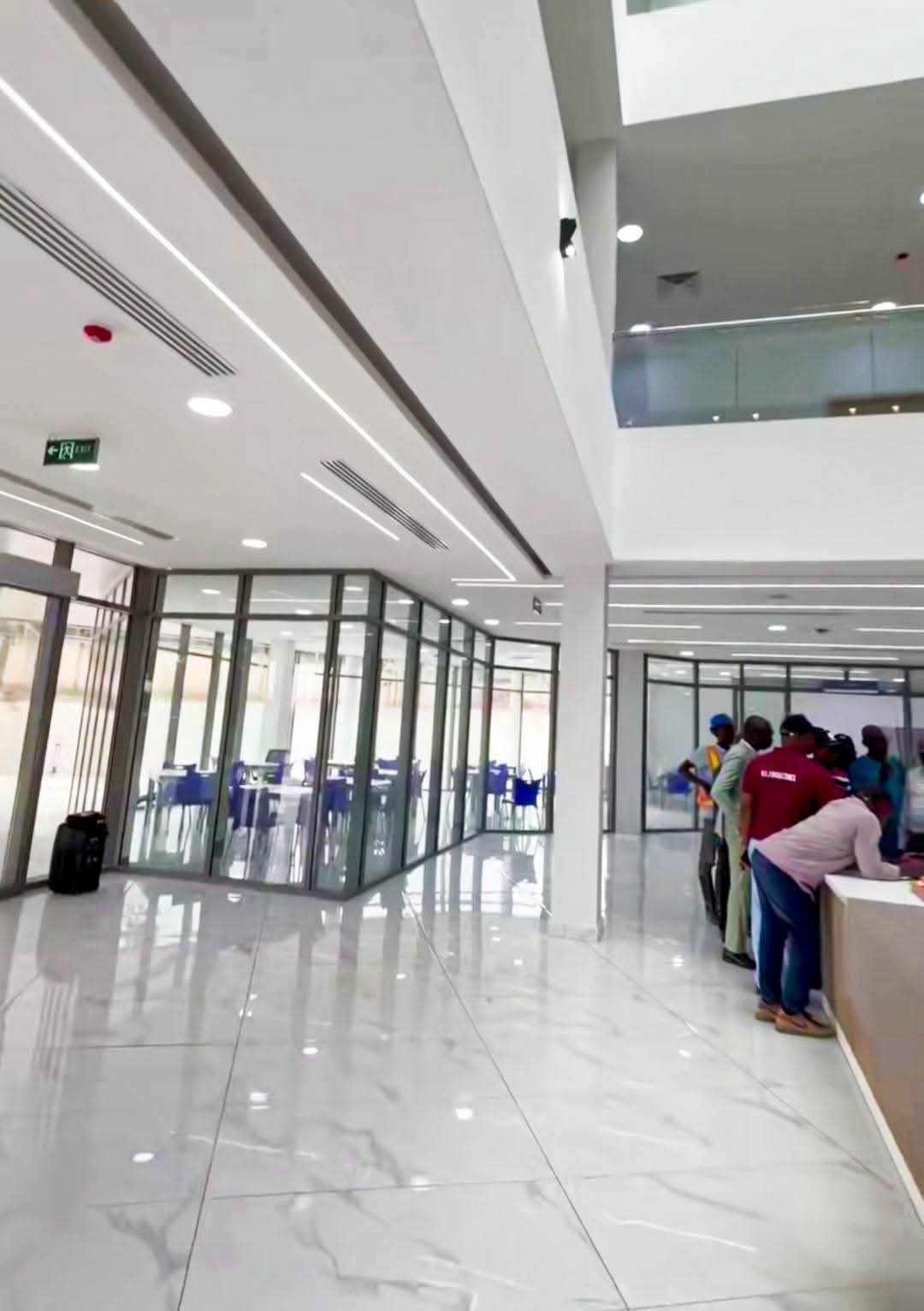
Enugu International Hospital: A World-Class Healthcare Landmark Reshaping the Health Space in Eastern Nigeria
The recently completed Enugu International Hospital is emerging as a significant new landmark in Nigeria’s healthcare landscape, offering more than modern medical infrastructure. It represents a bold statement about what is possible when world-class healthcare facilities are deliberately developed within Nigeria.
Built to world-class standards, the hospital demonstrates Enugu State’s determination to deepen access to quality healthcare while creating the capacity to serve patients who might otherwise travel outside Nigeria for treatment.
For Governor Peter Mbah, the investment reflects a broader development philosophy: infrastructure should not simply exist as physical structures; it should create opportunities, improve lives and strengthen the economic ecosystem around it.
The governor has repeatedly emphasised the need to build an Enugu that can compete with leading cities while providing residents with the quality services they deserve.
The Enugu International Hospital fits directly into that ambition.
A new chapter for healthcare in Eastern Nigeria
For decades, the South-East has possessed considerable human capital, including doctors, medical specialists, pharmacists, nurses and other healthcare professionals. What has often been missing is the infrastructure capable of fully harnessing that talent.
A world-class hospital changes that equation.
Modern facilities create an environment where specialists can practise, advanced equipment can be deployed, complex procedures can be performed and healthcare professionals can collaborate at a much higher level.
For Eastern Nigeria, the significance goes beyond Enugu.
The hospital has the potential to serve patients from across the five South-East states and neighbouring parts of the country, helping to strengthen Enugu’s position as a regional healthcare centre.
It also creates an opportunity to reduce the need for patients to travel to Lagos, Abuja or overseas for specialised care.
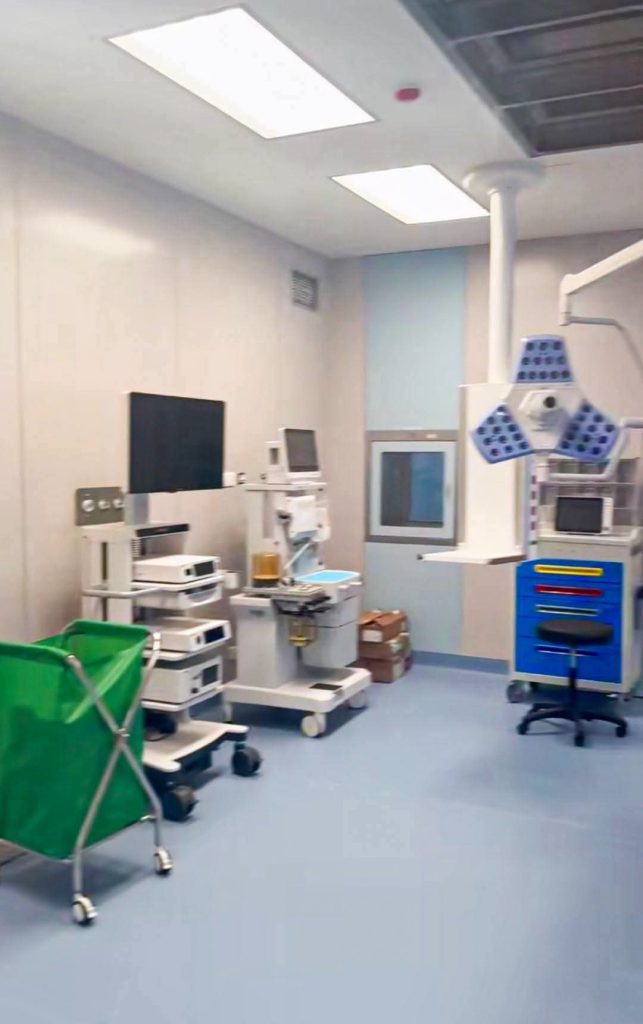
Keeping Nigeria’s medical spending at home
Medical tourism has long represented a significant leakage of Nigerian wealth.
When Nigerians travel abroad for treatment, the expenditure does not end with the medical bill. Money is spent on international flights, accommodation, transportation, feeding, visas and other services.
The emergence of credible, world-class hospitals within Nigeria creates the possibility of reversing part of that flow.
Instead of exporting patients and capital, Nigeria can increasingly attract patients and retain healthcare expenditure within its own economy.
And that is where the Enugu International Hospital could become particularly important.
With improved connectivity, growing private-sector activity and a large population across the South-East, Enugu has the ingredients to develop into a significant regional medical destination.
The domino effect on the economy
The impact of a major healthcare facility does not end with doctors treating patients.
A modern hospital creates an entire ecosystem.
It requires medical equipment suppliers, pharmaceutical companies, diagnostic laboratories, technology providers, maintenance engineers, insurance companies, catering services, security firms and logistics operators.
Patients and their families require hotels, restaurants, transportation and retail services.
Specialist doctors create demand for supporting medical professionals.
Healthcare professionals create demand for housing, education, financial services and other amenities.
The result is a powerful economic multiplier.
One hospital can generate an ecosystem of businesses, jobs, skills and investment around it.
That is the domino effect that makes strategic healthcare infrastructure so important.
A statement about Nigeria’s capacity
Perhaps the most important message from the project is what it says about Nigeria itself.
For too long, the conversation around world-class healthcare has been dominated by countries abroad. But projects such as Enugu International Hospital demonstrate that Nigeria can increasingly build facilities capable of supporting sophisticated healthcare delivery at home.
For Eastern Nigeria, it is also a demonstration of the region’s evolving capacity.
The South-East has historically been recognised for entrepreneurship, commerce and private-sector ingenuity. Investments in modern healthcare infrastructure add another dimension to that story: the region is increasingly developing the institutions and infrastructure needed to support its human capital and economic ambitions.
This should not be viewed as an Eastern Nigeria-versus-other-regions narrative.
Quite the opposite.
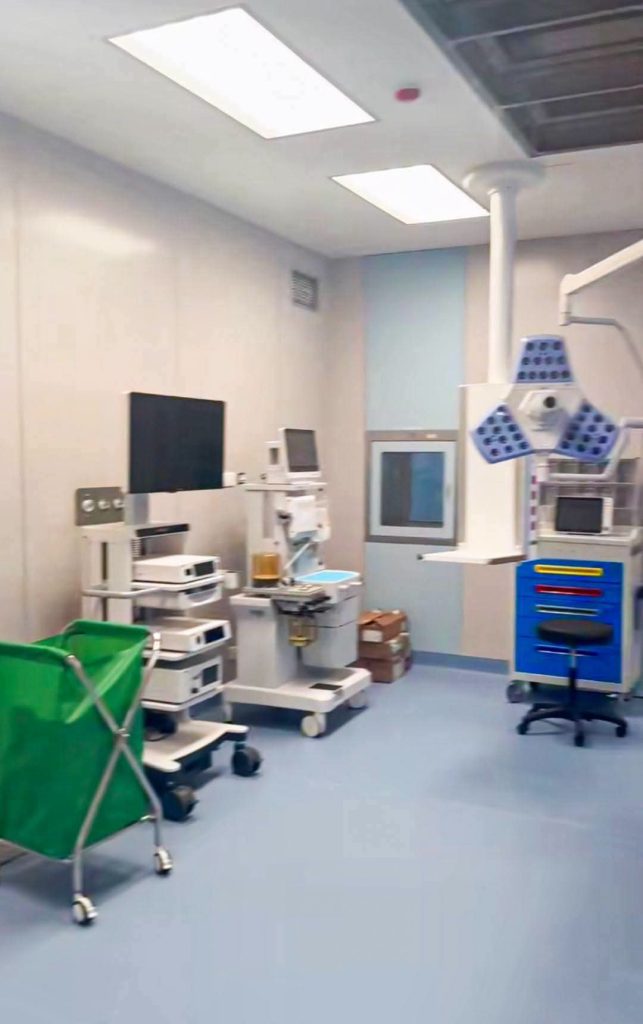
What works in Enugu can become a model for Nigeria.
Other states can learn from the investment, identify their own healthcare gaps and develop facilities capable of serving their populations while attracting patients from neighbouring regions.
Nigeria needs more world-class hospitals, specialist centres, diagnostic facilities, medical research institutions and healthcare technology companies.
The stronger each regional healthcare ecosystem becomes, the less Nigerians will need to travel long distances—or leave the country—to access quality treatment.
More than a hospital
The real significance of the Enugu International Hospital will ultimately be measured by its impact on people.
A mother who no longer has to travel abroad for treatment.
A patient who can access a specialist closer to home.
A doctor who finds the facilities and equipment needed to practise at the highest level.
A young medical professional who finds a career opportunity in Nigeria rather than looking abroad.
A business that grows because it supplies the hospital.
A hotel that gains new customers because patients are arriving from other parts of Nigeria.
These are the human stories behind the infrastructure.
And this is why the project matters.
Governor Peter Mbah’s vision of a more competitive Enugu increasingly rests on the idea that infrastructure should connect different parts of the economy and create opportunities that multiply beyond the original investment.
The Enugu International Hospital embodies that philosophy.
From healthcare infrastructure to specialist services.
From specialist services to jobs.
From jobs to businesses.
From businesses to investment.
From investment to stronger regional healthcare.
And from stronger regional healthcare to a healthier, more competitive Nigeria.
Enugu International Hospital is therefore not simply another hospital.
It is a statement of confidence in Nigeria’s capacity to provide world-class healthcare at home—and a potentially important building block in Eastern Nigeria’s emergence as a stronger healthcare, investment and economic hub.