







Nigeria’s efforts to eliminate malaria could be significantly accelerated by artificial intelligence and digital medicine verification systems capable of capturing health data from millions of people who seek treatment outside the country’s formal healthcare system, according to one of the nation’s foremost malaria experts.
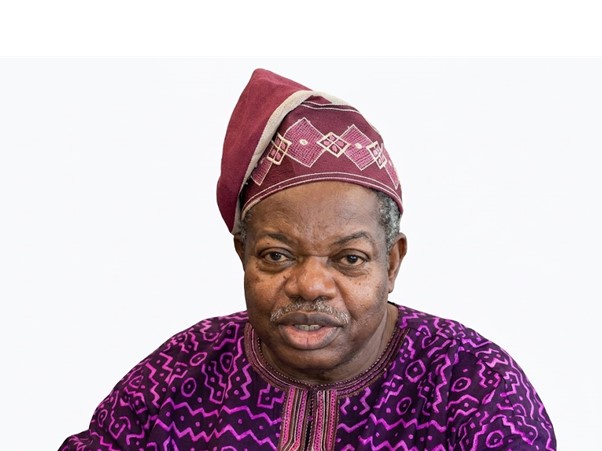
Speaking on the sidelines of a high-level strategic meeting on Artificial Intelligence and private-sector engagement hosted by Sproxil Nigeria in Lagos, Professor Olugbenga Mokuolu, a leading pediatrician and malaria specialist, said emerging AI-powered technologies could help solve one of the biggest challenges confronting malaria control in Africa’s most populous nation: the lack of reliable data from the private healthcare sector.
Professor Mokuolu is a Professor of Pediatrics at the University of Ilorin and the University of Ilorin Teaching Hospital, Director of the Centre for Malaria and Other Tropical Diseases Care, former National Malaria Technical Director, and former Strategic Adviser to Nigeria’s Ministers of Health on malaria elimination.
In this exclusive interview, he discusses Nigeria’s progress against malaria, the limitations of current surveillance systems, the role of artificial intelligence, and why changing public behaviour remains one of the greatest obstacles to ending the disease...Anthony Nwosu captures this in an exclusive interview.
Q: What role are you playing at this strategic AI and health engagement, and why is this initiative important?
Prof. Mokuolu: I am participating in this meeting in my capacity as a malaria technical expert to provide scientific and policy guidance on the technologies being discussed and to evaluate how they can strengthen Nigeria’s healthcare system.
This initiative is particularly important because it brings together public health experts, technology innovators and private-sector stakeholders to examine how artificial intelligence can complement existing malaria control strategies. The goal is to determine how these digital solutions can be effectively integrated into national health programmes and generate practical value for disease surveillance and healthcare delivery.
Q: Nigeria has made progress in reducing malaria. How can AI and digital technology further reduce infections and child deaths?
Prof. Mokuolu: Nigeria has made significant progress over the past two decades. National malaria prevalence has fallen substantially—from approximately 42 percent in 2010 to about 15 percent by 2025.
While this represents an important public health achievement, the national average masks considerable differences across states. Malaria transmission is no longer uniform across the country, which means interventions must increasingly be tailored to local epidemiological realities rather than relying on one-size-fits-all approaches.

One of the biggest challenges is that a substantial portion of malaria-related data remains invisible to public health authorities.
Many Nigerians obtain diagnosis and treatment through private pharmacies, patent medicine vendors and other informal healthcare providers. These interactions often fall outside conventional surveillance systems, creating significant data gaps that limit our understanding of disease patterns and treatment behaviour.
Artificial intelligence, combined with mobile medicine verification platforms, offers an opportunity to close this information gap.
When people verify the authenticity of antimalarial medicines using mobile technology, anonymised data can be analysed in real time to identify treatment patterns, geographical trends and disease hotspots. This provides public health authorities with actionable intelligence that complements traditional epidemiological surveys while improving the speed and precision of decision-making.
Greater visibility into these previously unmonitored areas enables governments and partners to deploy resources more effectively and respond more rapidly to emerging public health challenges.
Q: Beyond technology, what remains the biggest obstacle to malaria elimination in Nigeria? Is government awareness enough?
Prof. Mokuolu: Technology is only one part of the solution. Behaviour change remains one of the most difficult challenges.
The Nigerian government has invested heavily in malaria control through public education campaigns, insecticide-treated mosquito net distribution, improved diagnostics and wider access to Artemisinin-based Combination Therapies (ACTs). These efforts have undoubtedly contributed to the progress recorded over the years.
However, malaria has been part of everyday life for generations, and many people continue to rely on long-established beliefs and treatment practices rather than evidence-based medical guidance.
Encouraging people to sleep under insecticide-treated nets, undergo malaria testing before treatment and use recommended medicines consistently requires sustained public engagement. Changing deeply rooted perceptions is often far more difficult than introducing new technologies.
Ultimately, the fight against malaria requires both innovation and public trust. Artificial intelligence can provide better data and smarter decision-making, but success will also depend on people’s willingness to adopt healthier behaviours and embrace evidence-based healthcare.
The Bigger Picture
Nigeria accounts for one of the world’s largest malaria burdens, making innovation in surveillance and disease intelligence a global public health priority. Experts say integrating artificial intelligence with digital medicine verification systems could transform how governments monitor disease trends, detect outbreaks and allocate healthcare resources.
For Professor Mokuolu, the future of malaria elimination lies in combining cutting-edge technology with stronger community engagement and targeted, data-driven interventions.
“Without visibility into where people seek care and how they access treatment, we are fighting with incomplete information,” he said. “AI has the potential to illuminate those blind spots and help us make better decisions that ultimately save lives.”
Many Nigerians obtain diagnosis and treatment through private pharmacies, patent medicine vendors and other informal healthcare providers. These interactions often fall outside conventional surveillance systems, creating significant data gaps that limit our understanding of disease patterns and treatment behaviour.