


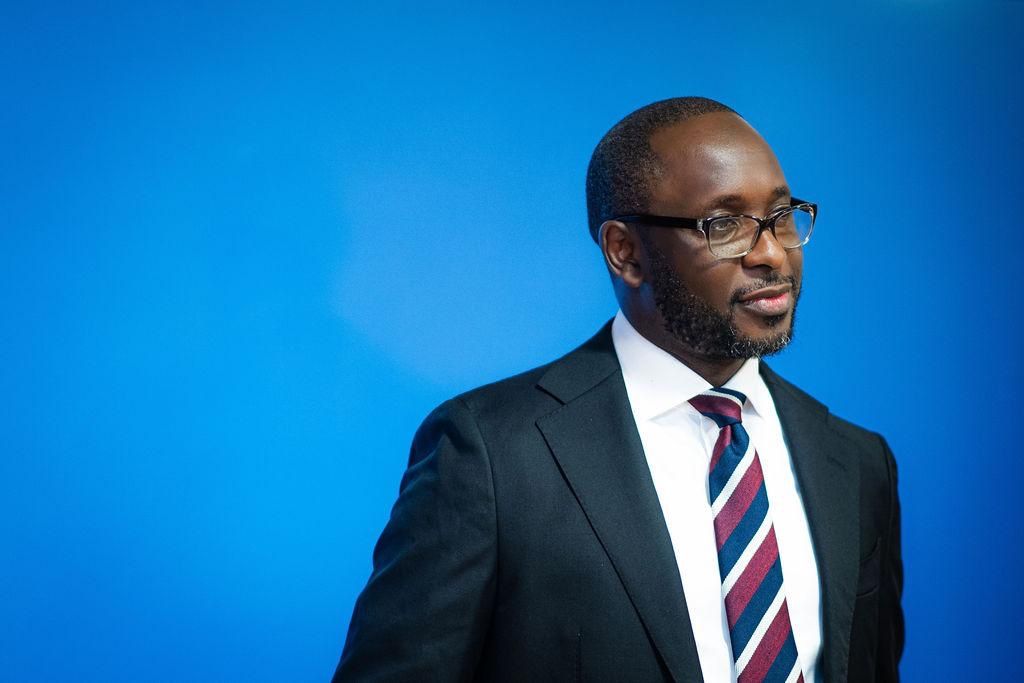






LAGOS, Nigeria – The Deputy Governor of the Central Bank of Nigeria (CBN), Dr. Muhammad Sani Abdullahi, has challenged young Nigerians aspiring to leadership to embrace courage, integrity, and principled decision-making, stressing that true leadership is measured by the difficult choices leaders make in the public interest.
Abdullahi made the remarks during an interactive session with fellows of the Lateef Jakande Leadership Academy (LJLA), a Lagos State Government initiative established to nurture ethical, competent, and impact-driven young leaders for public service and nation-building.
Drawing from the Central Bank of Nigeria’s reform journey since September 2023, the Deputy Governor used the institution’s experience as a practical case study to illustrate the realities of leadership in times of uncertainty and high expectations.
According to him, leadership extends beyond technical expertise or policy implementation. Rather, it is defined by the willingness to make difficult decisions, even when they are unpopular, while remaining committed to transparency, accountability, and the public good.
“We discussed the importance of staying true to your values, being open about your decisions, and having the courage to question systems that no longer serve the public interest,” Abdullahi said, noting that meaningful progress often requires challenging long-standing practices rather than accepting them simply because they have always existed.
He encouraged the fellows to recognize that every leader will eventually face defining moments that demand courage, conviction, and personal sacrifice. Such moments, he said, determine whether leaders are prepared to prioritize the long-term interests of their institutions and the people they serve over personal comfort or convenience.
The session concluded with a reflective exercise in which the participants were asked to consider the legacy they are building through their everyday actions. Abdullahi urged the fellows to imagine how they would be remembered by those closest to them—including family members, colleagues, neighbours, spiritual leaders, and associates—and to use that reflection as a guide for their leadership journey.
According to him, legacy is not something that is created at the end of a career but is built daily through the choices people make, the values they uphold, and the way they treat others.
He expressed appreciation to the leadership of the Lateef Jakande Leadership Academy, particularly its Executive Secretary, Ayisat Agbaje, for providing a platform for honest conversations on leadership and public service.
Abdullahi also commended the academy’s fellows for their engagement during the session and expressed confidence that the current cohort would make significant contributions to governance and national development in the years ahead.